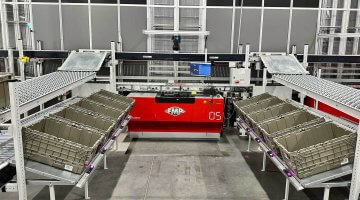
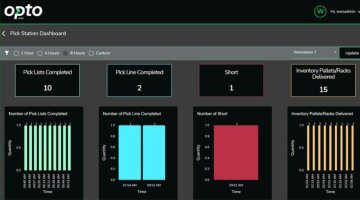
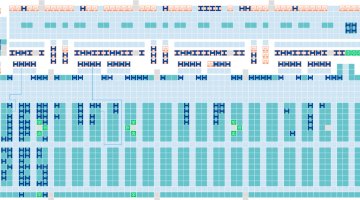
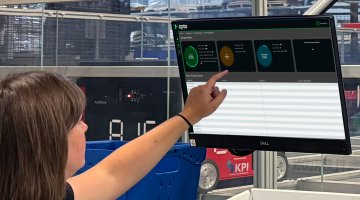
Capabilities & Benefits:
- Seamless Interoperability between Systems
- Technology-Neutral Integration
- Enhanced Task Planning & Prioritization
- Advanced Visibility & Analytics


Tell us about your operation and we’ll show you what Opto can orchestrate.
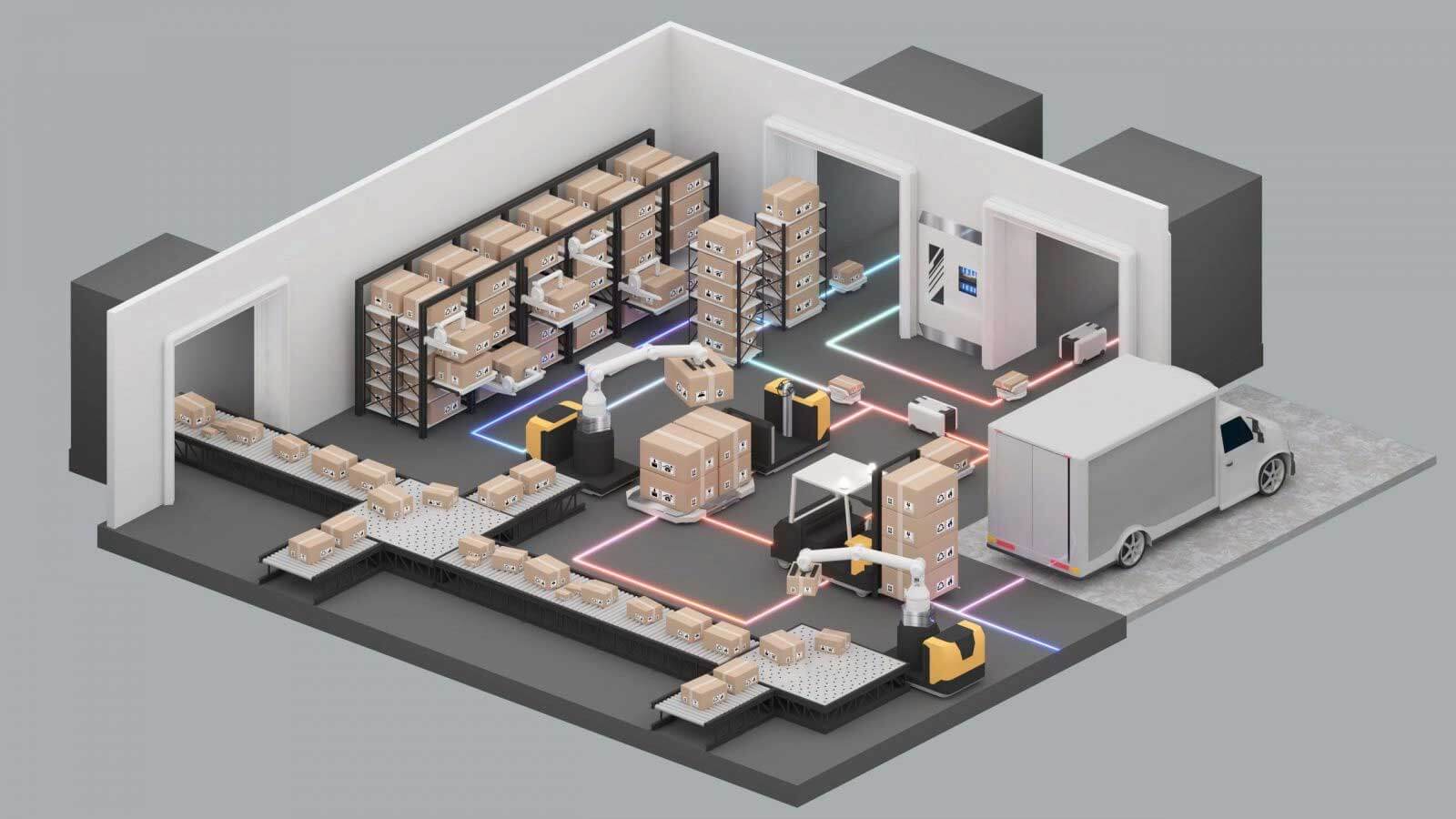
A Warehouse Execution System (WES) is the real-time layer that coordinates people, tasks, and automated equipment on the floor. It takes the plan from your WMS or ERP and turns it into synchronized action that decides what happens next, sequences the work, and keeps every subsystem moving together instead of in silos. Opto is that execution layer.
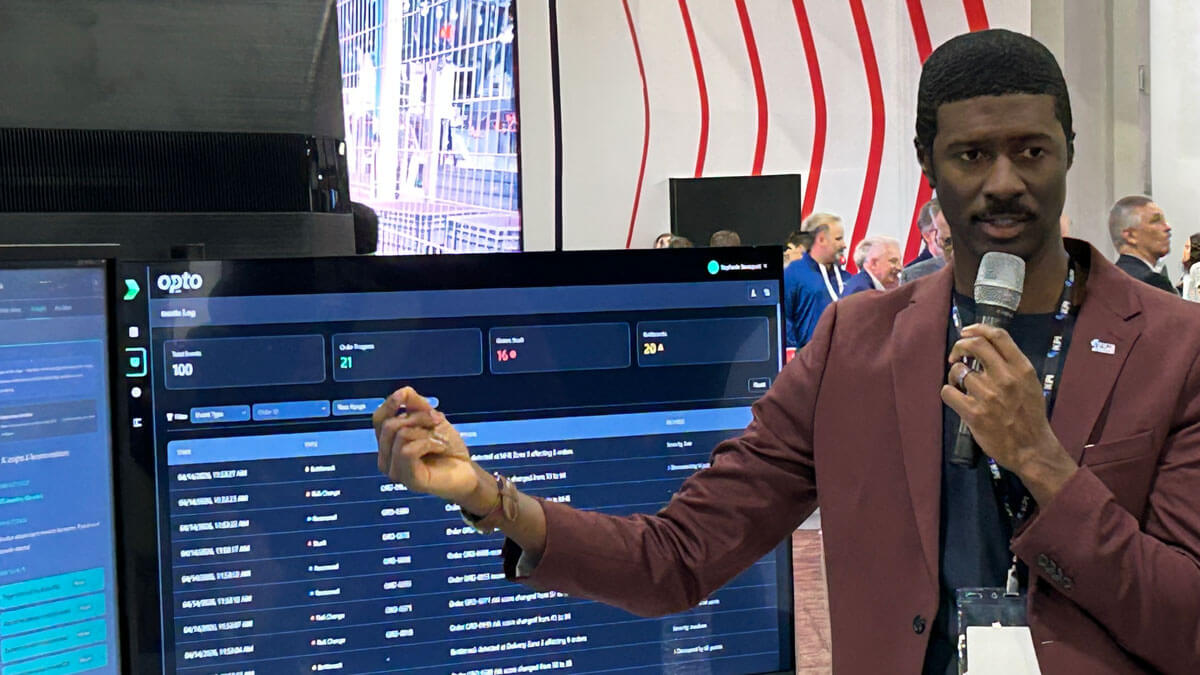
 Technology-Neutral: One point of connection to any upstream system and downstream automation, simplifying security and maintenance.
 Configurable to Your Business: A modular core code base with configurable elements, tailored to how your operation actually runs.
 Enhanced Functionality & Analytics: Opto bridges gaps in your WMS with intelligent task planning and prioritization by optimizing labor and equipment, and flexing with volume.
Opto is more than a single product. It’s a connected suite, execution, integration, control, and quality, engineered to work as one. And it isn’t starting from a blank page: Opto WES is built on software KPI has run in live operations, including Kommand (Opto AS) and the QC Toolkit. That heritage is what lets an innovation-forward platform arrive with a real track record behind it, adding value for both your operations and IT teams.
Warehouse Execution Systems are moving from emerging technology to foundational infrastructure for complex, automated operations. This one‑pager outlines the forces driving WES adoption, where it fits in the warehouse stack, and how it compares to enhanced WMS and WCS approaches. Download the one‑pager below to understand the architectural tradeoffs shaping modern execution strategies.
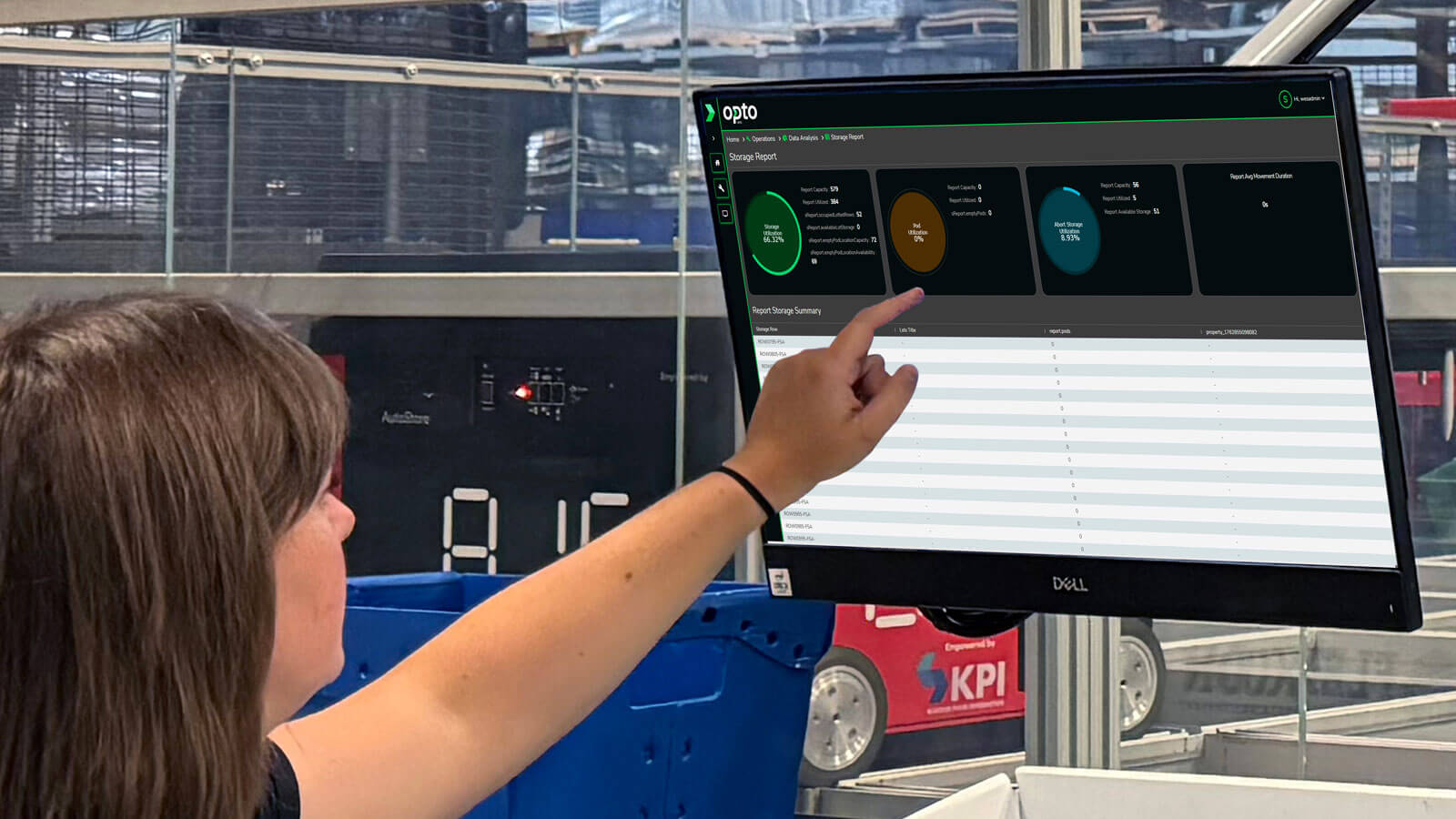


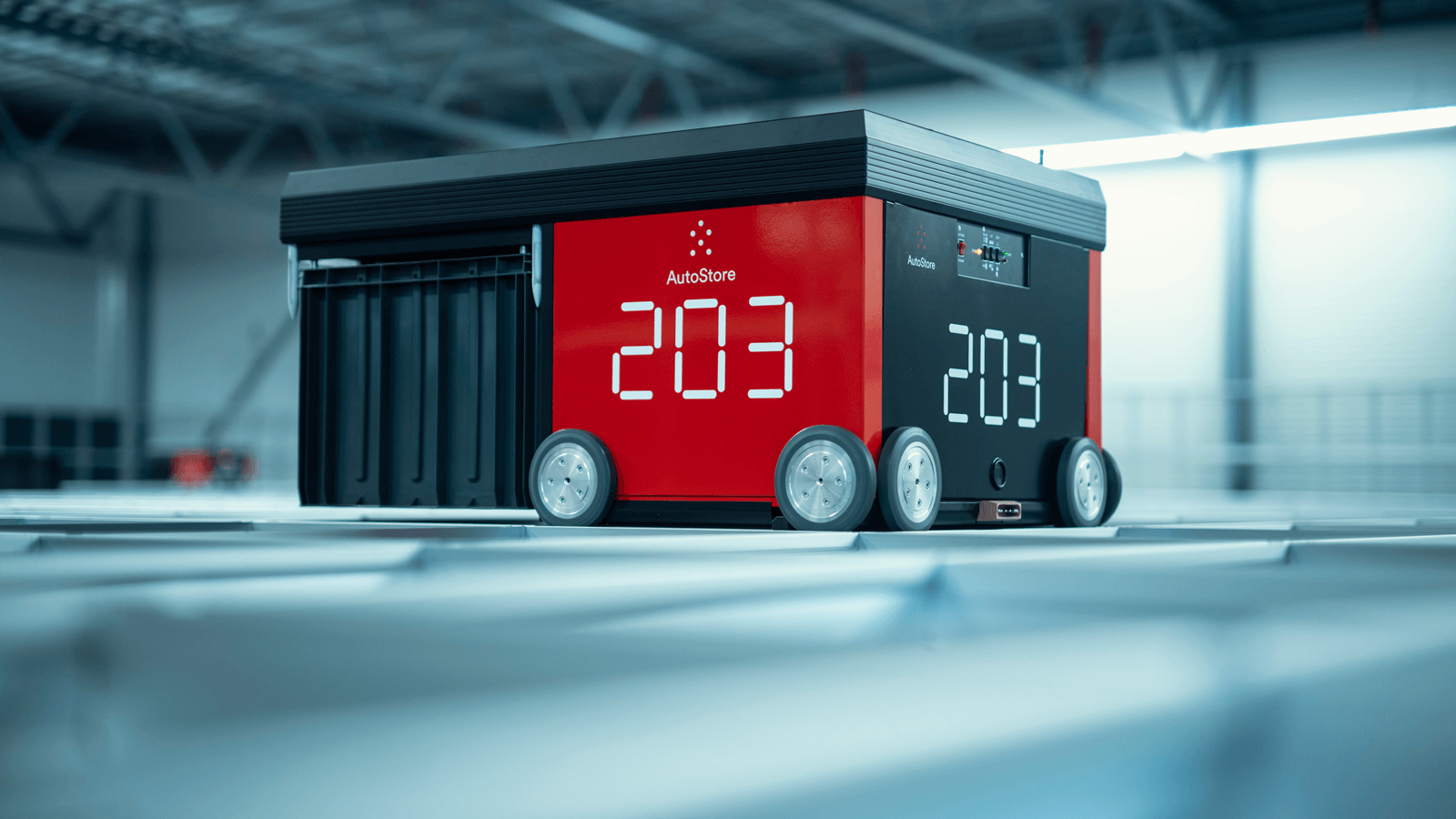

The real-time execution layer that orchestrates labor and automation by optimizing throughput, prioritizing tasks, and keeping every system working in concert.
Secure, reliable communication between Opto WES, your warehouse automation, and your WMS or ERP. One integration point instead of many.
KPI’s proven automation software and part of the foundation beneath Opto WES with operating history in live distribution environments.
Quality-control software that helps keep work accurate and reliable. Another proven building block behind the suite.



1) How does a WES improve warehouse throughput?
By constantly prioritizing work, balancing queues, and coordinating people and machines, a WES eliminates bottlenecks and keeps assets productive. Opto does this with intelligent workflow balancing and optimized task sequencing that drive faster, more reliable order fulfillment.
2) How does a WES enhance labor productivity?
A WES assigns the right tasks to the right resources at the right time, based on live conditions like order mix and equipment status. Intelligent task planning and real-time visibility help supervisors deploy teams where they’ll have the most impact, reducing idle time and travel.
3) How does a WES work with my existing WMS or ERP?
A WES bridges the gap between planning systems and physical execution — receiving direction from WMS/ERP and orchestrating the action on the floor. Opto simplifies this with a single, technology-neutral connection upstream to WMS/ERP and downstream to all automation, which also streamlines security and maintenance.
4) What automation can a WES coordinate?
Modern WES solutions connect to AS/RS, Goods-to-Person systems, AMRs/AGVs, conveyors, sortation, pick-to-light, and RF/voice picking. Opto is built for exactly this mix, providing seamless interoperability so each subsystem works in concert instead of in silos.
5) Can a WES adapt to fluctuating volumes and changing priorities?
Yes. Scalability and flexibility are core to a WES, allowing it to re-prioritize tasks and rebalance work as demand shifts. Opto applies dynamic logic to adjust planning in real time, so peaks, drops, or disruptions don’t derail performance.
6) Does a WES extend the capabilities of my WMS?
A WES complements a WMS by adding execution-level intelligence like task optimization, real-time prioritization, and orchestration of automation. Opto is designed to fill those gaps, enhancing decision-making and overall efficiency without replacing the WMS.
7) What kind of visibility should I expect from a WES?
You should expect dashboards and analytics that reveal the live status of labor, inventory flow, and equipment health for faster, data-driven decisions. Opto delivers real-time visibility and analytics across the operation so teams can act on what’s happening now.
8) How configurable is a WES for unique workflows?
A strong WES offers modular functionality with configurable elements so you can tailor execution to your business rules. Opto follows this model with a core code base that’s configurable to meet specific operational requirements.
9) What ongoing support should I expect after go‑live?
Beyond go-live, a WES should evolve with your operation and remain stable and secure. Opto is supported by KPI’s LifeTime Services, covering upgrades, onsite support, and continued optimization to maximize uptime and long-term value.
"*" indicates required fields