seamless-icon

Effective, efficient, and system-agnostic solutions for your unique needs.
More options and benefits icon

End-to-end solutions, from consulting to LifeTime Services.​

seamless-icon3

Cohesive collaboration from day one.​

Providing objective guidance to ensure the best decision for your company now & in the future.

Designing a Comprehensive Supply Chain Network Strategy

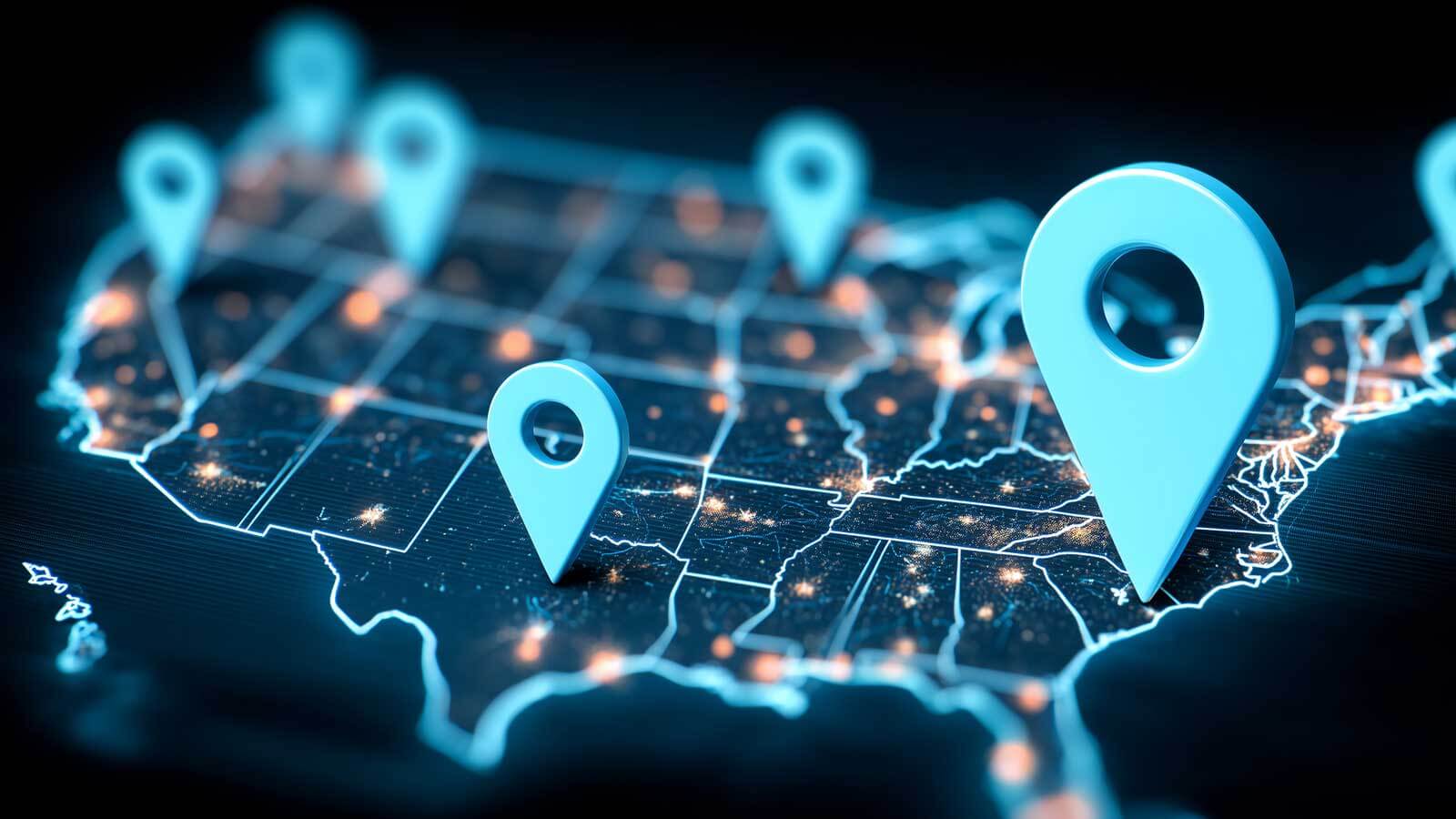
At KPI Solutions, we leverage advanced analytical modeling technology to analyze and define the optimal warehouse cost structure, including transportation costs, fixed facility costs, and variable facility costs under alternative scenarios.

  • s-icon3 Optimizing Network: KPI analyzes and defines optimal manufacturing and distribution networks. Our data-driven approach includes all aspects of your supply chain network.
  • s-icon2 Assessing Business Needs: We work with stakeholders to understand business needs and gather data to build a roadmap for improved performance, service, and cost.
  • s-icon1 Implementing Solutions: KPI partners with you every step of the way to ensure our design aligns with your business expectations and executable across your resources and investments.

network strategy presentation

Should you outsource or insource?

We help you determine the costs and benefits of each.
Optimize Space in Distribution Center

If I were to manage distribution internally, how much would it cost annually?

How much labor is required?

What additional costs should I consider?

How much can I expect to spend for a 3PL and what services do they provide?

What service levels could I achieve in each scenario?

What are the key characteristics of my business that may impact each scenario?
Benefits of a
Data-Driven Network Strategy

Optimized
Performance

Maximizes supply
chain efficiency.

Cost
Efficiency

Reduces costs in key
operational areas.

Enhanced
Service Levels

Improves lead times and
customer satisfaction.

Increased
Agility

Adapts to changing
demand effortlessly.

Risk
Mitigation

Minimizes risks through
scenario testing.

Strategic
Decision-Making

Empowers decisions with
data-driven insights.

Evaluating Multiple Scenarios

An In-Depth Look at Our Approach
Group

Number/location of source and distribution points

Group(2)

Production line configuration

Group(5)

Product mix by source and distribution point

Group(3)

Expected customer service levels

Group(1)

Source decisions for distribution replenishment

Group(4)

Client/store assignment to distribution

Group(5)

Alternative transportation options

Automated Icon 1

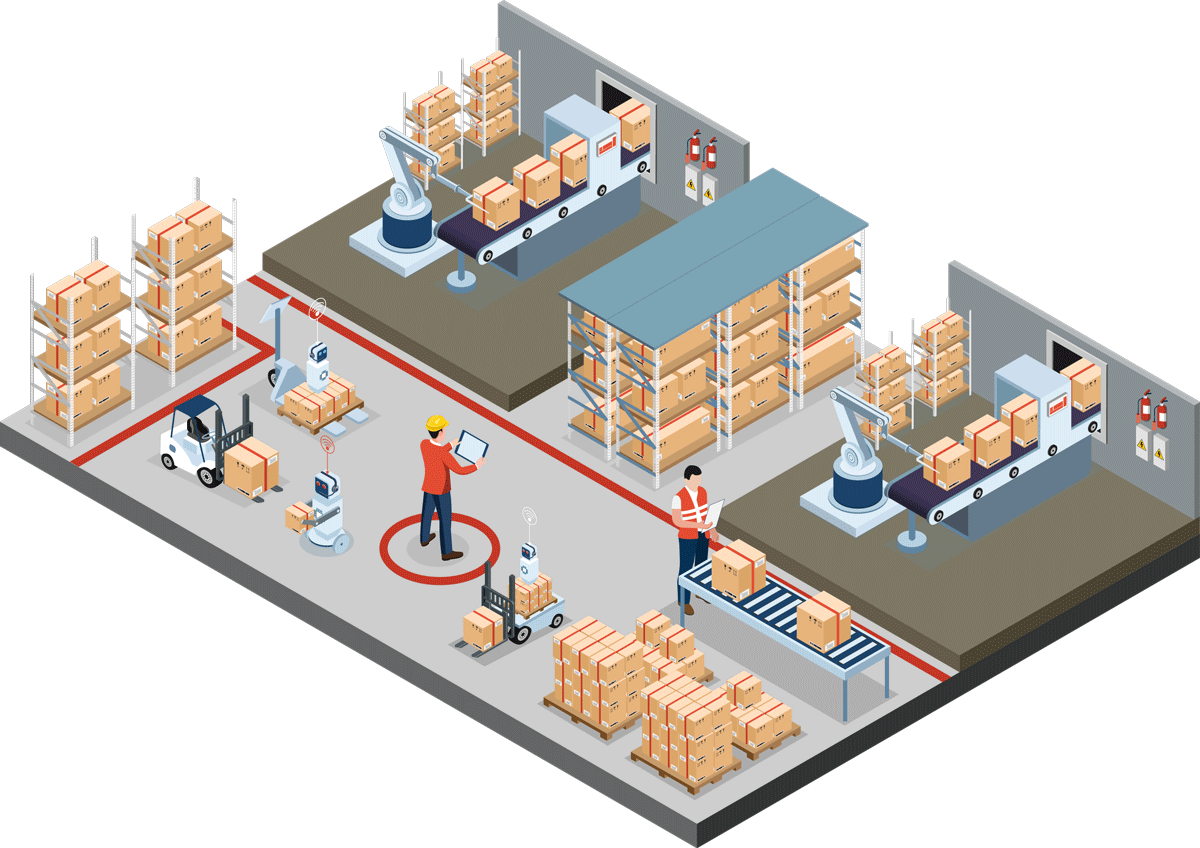
Warehouse automation strategy

Our clients benefit from the ability to quickly and confidently evaluate multiple warehouse network scenarios. Our modeling provides the empirical information necessary to define and quantify the optimal quantity, location and function of our clients warehouses.  Results are based on the optimal logistics costs while achieving the cost and customer service levels.

Delivery Optimization & Location Modeling

  • Advanced Route Analysis: Leverage cutting-edge route optimization tools to enhance delivery efficiency across all planning scenarios, from direct store delivery (DSD) to complex sales territories.
  • Holistic Cost Evaluation: Our modeling process considers all variables—from fixed and variable fleet costs to alternative product handling techniques—to help you determine the optimal delivery strategy for your business.
  • Informed Decision-Making: Empower your business with the ability to evaluate multiple distribution center or cross-dock scenarios, enabling you to optimize delivery routes and improve cost-efficiency without sacrificing customer service.
Last Mile Delivery Solutions
Connect with Our Consulting Team

Unlock the Power of a Flexible and Cost-Effective Network

Our consulting team is ready to help you evaluate the optimal network strategy for your business.

Build Competitive Advantage with an Optimized Network

A flexible and cost-effective network is vital in today’s ever-changing business environment. By combining our engineering and operations knowledge, we provide a complete and individualized strategic design that will help you:

  • Optimize overall network performance
  • Realize cost savings opportunities across transportation, facilities, labor, and inventory
  • Improve service levels by reducing lead time and improving fill rates
  • Build flexibility and capacity by leveraging multiple distribution nodes
  • Reduce risk by testing the impact of alternative operating scenarios and constraints

Frequently Asked Questions (FAQ)

  1. What is a supply chain network strategy and why is it important?
    A supply chain network strategy is a comprehensive plan that defines the optimal number, location, and role of facilities (warehouses, plants, and DCs) within a logistics network. It is critical because it determines your total cost-to-serve and your ability to meet customer lead-time expectations in a competitive market.
  2. How often should a company conduct a network optimization study?
    Most companies should review their network strategy every 2 to 3 years, or immediately following a major business trigger such as a merger, an acquisition, a significant shift in customer demand, or a dramatic increase in transportation costs. Regular audits ensure your physical footprint still aligns with your current sales and growth goals.
  3. What is the “cost-to-serve” and how does network strategy impact it?
    Cost-to-serve is the total cost of fulfilling a customer’s order, including manufacturing, warehousing, and transportation. A strategic network optimization identifies the “sweet spot” where these costs are minimized while still meeting delivery speed requirements, often uncovering 10% to 15% in annual savings.
  4. Is it better to have a centralized or decentralized distribution network?
    The choice depends on your product’s value and shipping costs. Centralized networks (one or two large hubs) reduce inventory carrying costs and overhead, making them ideal for high-value, low-volume goods. Decentralized networks (multiple regional DCs) are better for high-volume, heavy, or time-sensitive products where being close to the customer reduces expensive last-mile shipping.
  5. How do you determine the best location for a new warehouse?
    Warehouse location is determined through mathematical modeling that weighs transportation costs, labor availability, real estate prices, and proximity to major customer clusters. We use “center of gravity” analysis to find the location that minimizes the total miles traveled across your entire supply chain.
  6. What data is required to perform a network optimization analysis?
    To build an accurate model, we require historical shipment data, customer locations (zip codes), SKU-level inventory volumes, current transportation rates, and facility operating costs. This data allows us to create a “digital twin” of your network to test different “what-if” scenarios.
  7. How does e-commerce growth change a traditional network strategy?
    E-commerce typically requires moving inventory closer to urban centers to meet expectations for next-day or same-day delivery. This often leads to a “hub-and-spoke” model, where large regional DCs feed smaller, local fulfillment centers or “dark stores” in high-density areas.
  8. Can network strategy help mitigate supply chain risks and disruptions?
    Yes, a resilient network strategy identifies “single points of failure” and models the impact of facility shutdowns or port congestion. By diversifying locations or building in strategic redundancies, companies can ensure they remain operational even when one node of the network is compromised.
  9. How do you balance inventory costs against transportation costs?
    This is the fundamental trade-off of network strategy. Adding more warehouses reduces transportation costs (shorter distances) but increases inventory costs (more safety stock needed across locations). Optimization modeling finds the exact point where the sum of these two costs is at its absolute lowest.
  10. What is the typical outcome of a network strategy engagement?
    The primary outcome is a data-backed roadmap that recommends your optimal facility footprint, including which sites to open, close, or relocate. You receive a detailed cost-benefit analysis of the proposed changes, including projected ROI, transition timelines, and the impact on customer service levels.

Discover Our Services

At KPI Solutions, we provide data-driven analysis and unbiased solutions to drive operational excellence and supply chain resilience.