What Operations Leaders Can Learn from WES
In fulfillment operations, success is measured by how well systems perform under pressure. Theories and diagrams are useful, but they don’t move product. What matters is how technology behaves in real-world environments—how it handles complexity, adapts to change, and delivers measurable improvements.
Two recent implementations of Opto™ WES from KPI Solutions offer valuable lessons for operations leaders. These examples show how a warehouse execution system (WES) can improve throughput, reduce downtime, and create a more agile operation.
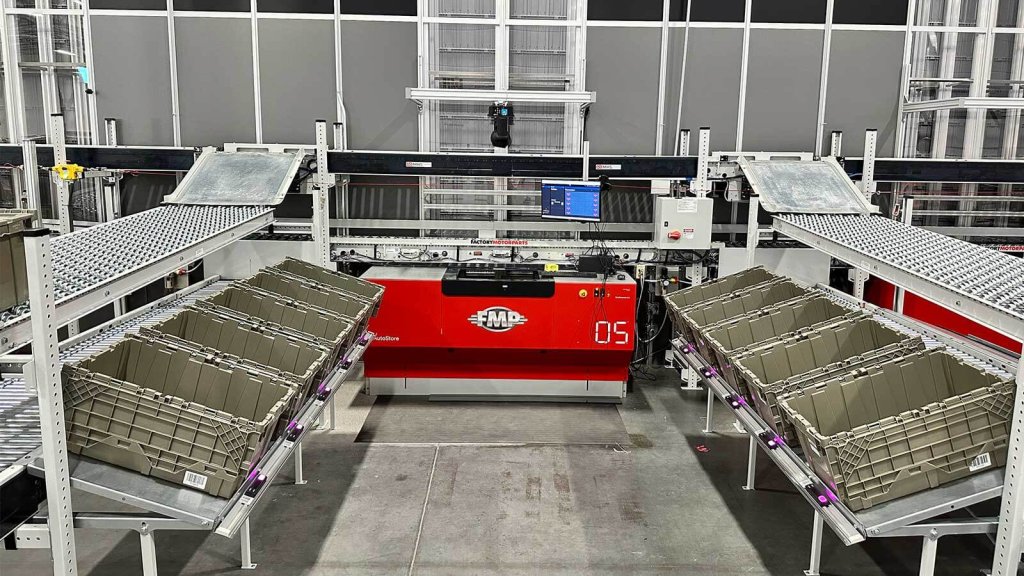
At a large automotive manufacturer, the fulfillment process involved autonomous mobile robots, goods-to-person systems (GTP), and a constantly shifting mix of order priorities. The operation was fast-paced and unpredictable. The company needed a system that could coordinate automation and labor in real time, without disrupting existing workflows.
Opto WES was introduced to manage execution between the warehouse management system (WMS) and the automation layer. It scheduled tasks, monitored equipment, and adjusted workflows based on live data. The result was a smoother operation with fewer delays and better use of available resources. More importantly, the system could scale as new technologies were added, without requiring a complete redesign or major infrastructure changes.
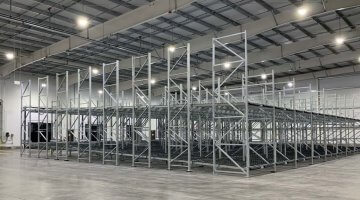
In another case, a food processing facility needed to increase throughput without expanding its footprint. The solution involved a crane-based automated storage and retrieval system (AS/RS), managed by Opto WES. The system coordinated inventory movements and ensured that replenishment happened at the right time, in the right sequence. It also helped align storage and retrieval activities with order priorities, which improved overall efficiency.
The impact was immediate. Storage capacity doubled, and the facility met growing demand without relocating or building new infrastructure. The WES played a central role in orchestrating the flow of goods, aligning every pallet movement with order priorities and inventory strategy. This level of coordination helped the operation maintain service levels even as order volumes increased.
These examples are from different industries, but the operational challenges are familiar. Fulfillment models are increasingly hybrid, blending retail, e-commerce, and subscription channels. And the pressure to deliver quickly and accurately is only increasing as customer expectations rise.
A warehouse execution system helps manage this complexity. It doesn’t replace existing systems—it enhances them. It fills the gap between planning and execution, ensuring that every resource is used effectively and every order is fulfilled with precision. This is especially important in environments where both automation and manual labor are used side by side.
For operations professionals, the value of a WES lies in its ability to respond to real-time conditions. When labor availability shifts, when equipment needs maintenance, or when order priorities change, the system adapts. It keeps the operation moving, orchestrating tasks even when the plan needs to change. This kind of responsiveness is essential for maintaining productivity and meeting service level agreements.
A robust WES also supports continuous improvement. With real-time data and performance insights, teams can identify bottlenecks, test new workflows, and make informed decisions about where to invest time and resources. This kind of visibility is essential for scaling operations and maintaining service levels during peak demand periods. It also helps teams become proactive rather than reactive.
Finally, the ability to integrate with both automation and manual processes is another key advantage. Many distribution facilities operate in a mixed environment, where some tasks are automated and others rely on human labor. A WES coordinates both, ensuring that each part of the operation is synchronized and contributes to the overall goal. This coordination helps reduce idle time, improve accuracy, and increase throughput. These real-world examples show that the benefits of a WES are not theoretical. They are practical, measurable, and achievable. For operations leaders, WES offers a roadmap for building a more responsive, efficient, and scalable fulfillment operation—one that can grow with the business and adapt to whatever challenges come next.
Categories (tags):