
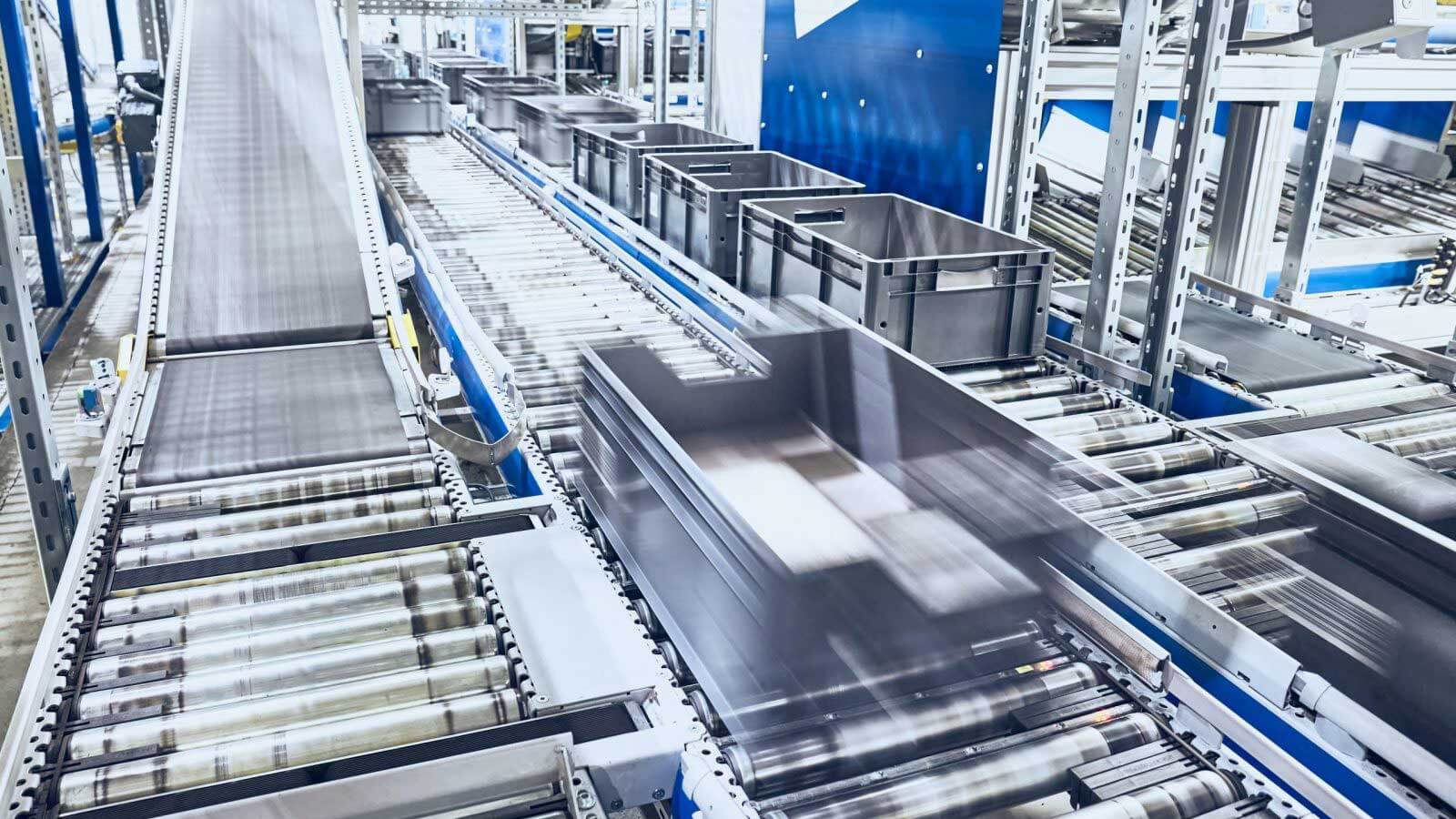
Scroll Down

Partner with KPI Solutions on your next project
Conveyor Design, Implementation & Integration
Data-Driven, Technology-Neutral Solutions
Our data-driven, technology-neutral approach means we evaluate all available options to design custom, integrated solutions tailored to your specific operational needs and goals. We don’t just offer conveyor systems; we build solutions to elevate distribution performance leading to lower operational costs and increased competitive edge.
It All Starts Here
Warehouse Conveyor Systems Design
At KPI Solutions, we understand that each operation is different, requiring a different approach to every conveyor system that we design, all aimed at solving your specific operational needs and requirements.
Our team of skilled engineers and system designers specialize in creating custom conveyor solutions to drive efficiencies and lower operational costs for your business.
-
 Data-Driven Analysis of Your Facility: KPI’s facility designs are powered by data and focus on meeting strategic business goals.
-
 Engineered Design for Precision Planning: Our experts utilize AutoCAD, a leading design software, to generate detailed system drawings. This ensures precision in planning and a clear visual representation of the proposed conveyor system layout.
-
 Conveyor Simulation for Real-World Perspective: By leveraging advanced simulation software, your conveyor system is rendered into a virtual environment. This allows you to visualize the integration and flow of operations before implementation.
Types of Conveyor Technology & Systems
Offering a diverse range of conveyor technologies, each designed to meet specific operational needs and challenges.
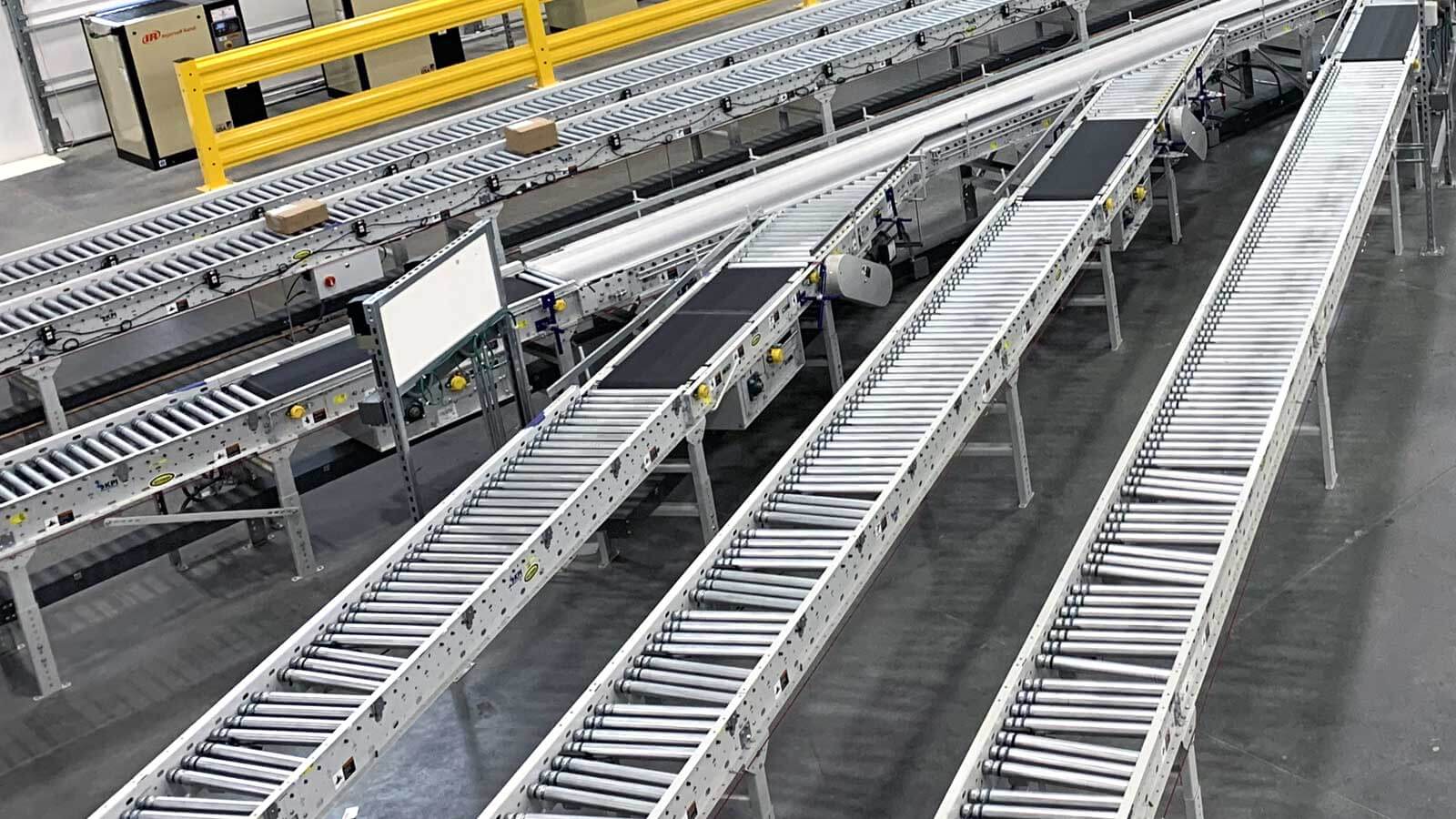
MDR Conveyor |
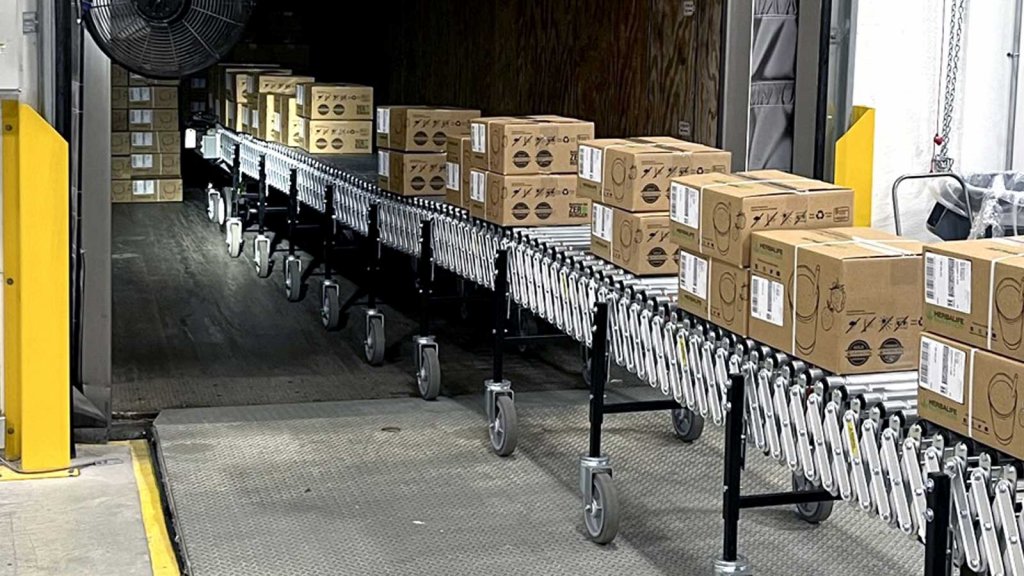
Gravity Conveyor |
Belt Conveyor |
 |
 |
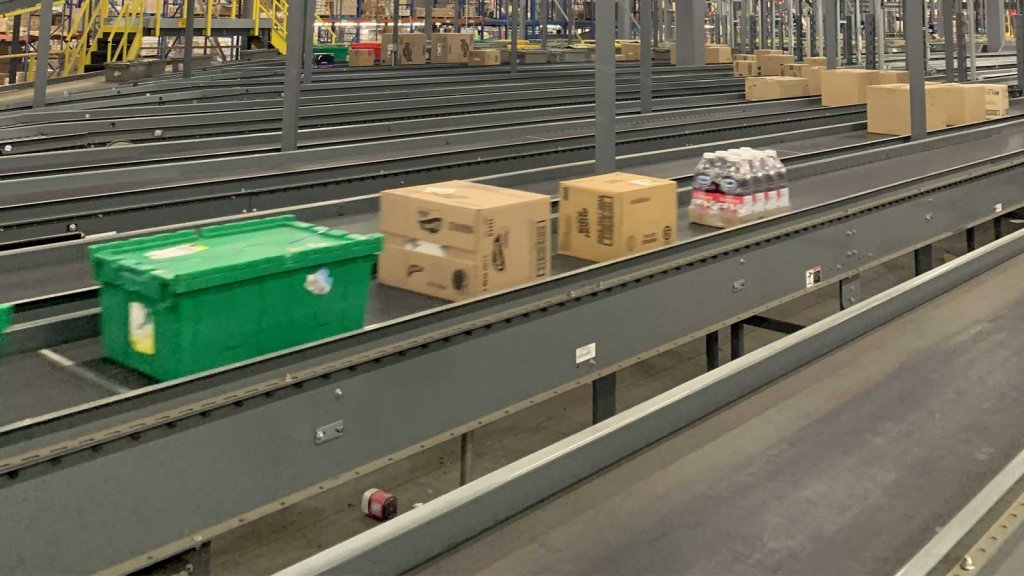 |
| Equipped with motorized driven rollers to move items, powered live roller systems are perfect for heavier loads or controlled movement. | Gravity conveyors feature an incline and use the force of gravity, or of a person, to push the load along the conveying surface. | Versatile and efficient, belt conveyors are especially useful for smooth, continuous, and quick transportation over long distances. |
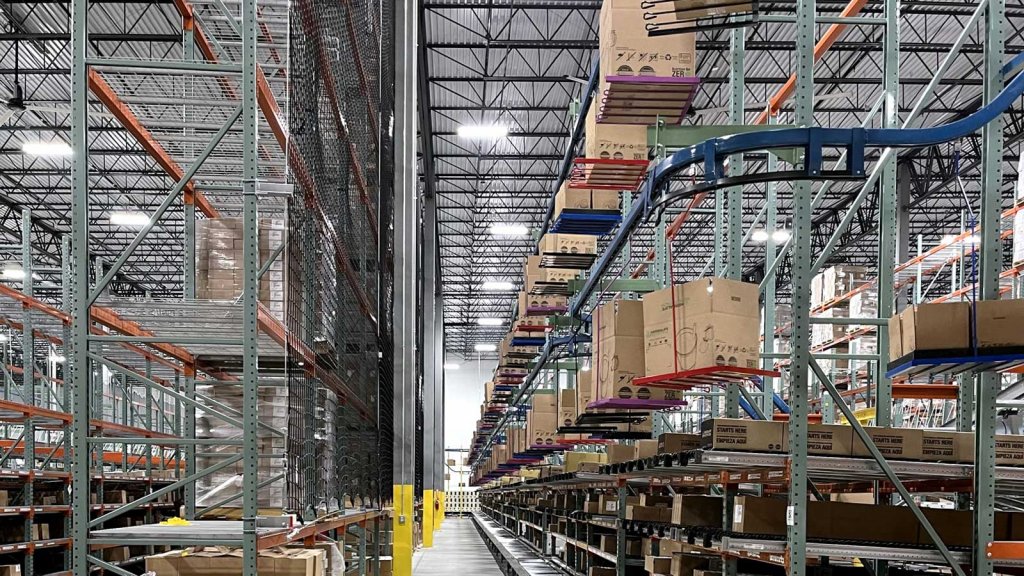
Overhead Conveyor |
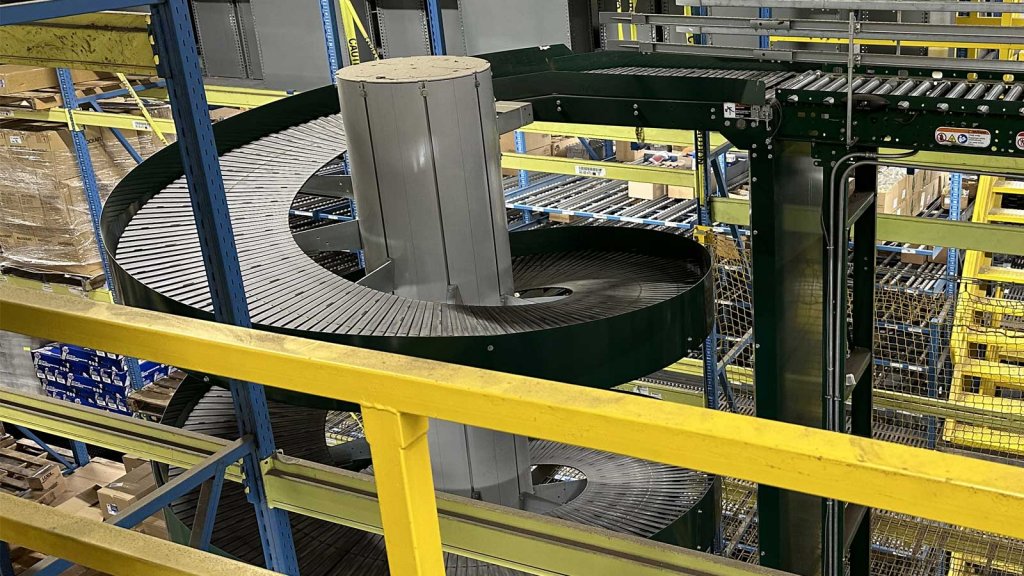
Spiral Conveyor |
Sortation Systems |
 |
 |
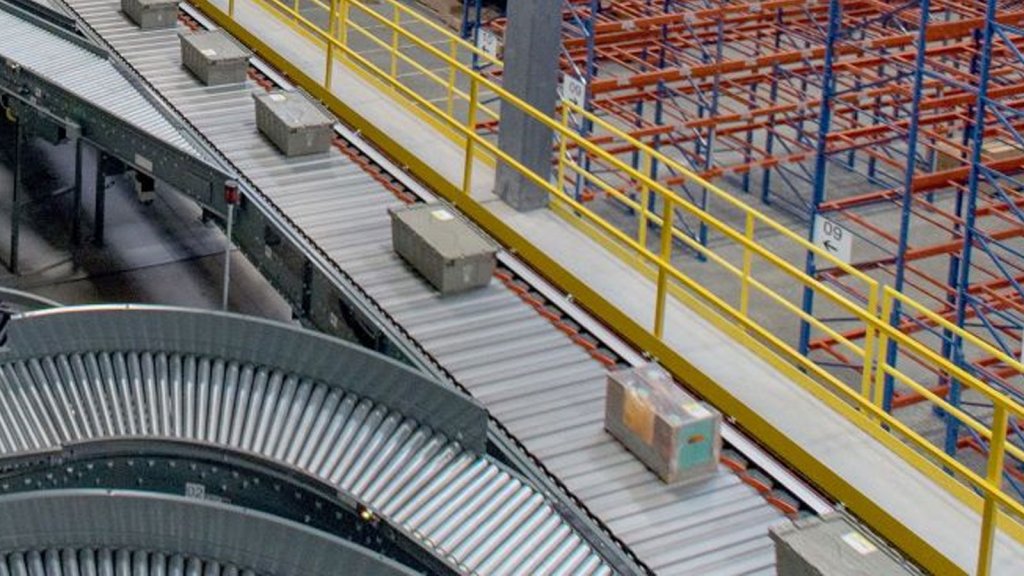 |
| Effectively utilizes overhead space for material handling, maximizing floor space efficiency in busy, limited-area facilities. | Space-efficient for tight areas in a compact footprint, offering continuous product flow and versatility in changing elevations. | Designed for precise sorting in distribution centers and e-commerce fulfillment, boosting efficiency in order processing and shipping. |
Conveyor System Handling Categories
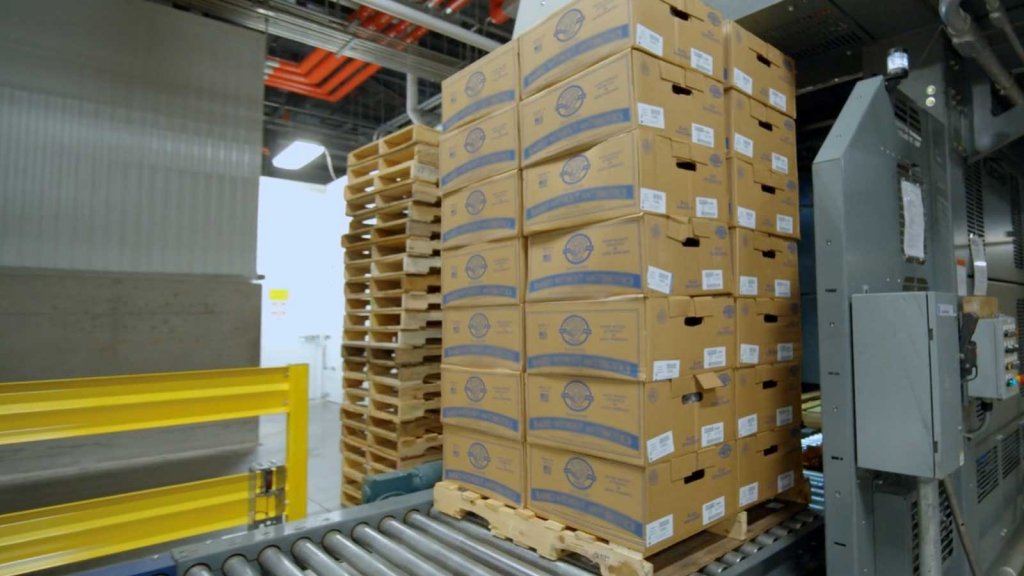
Pallet Conveyor |
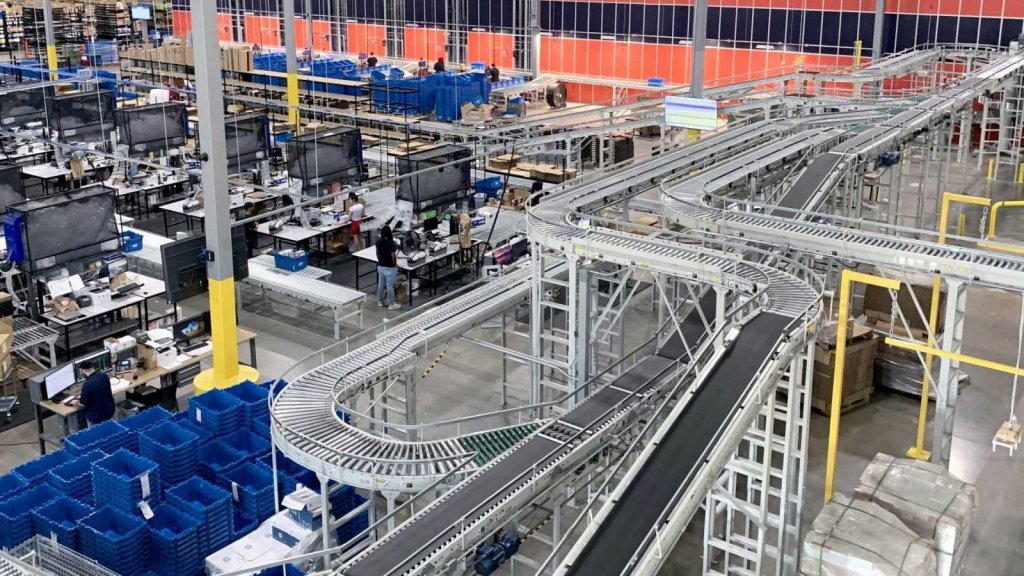
Case Conveyor |
Bin & Tote Conveyor |
 |
 |
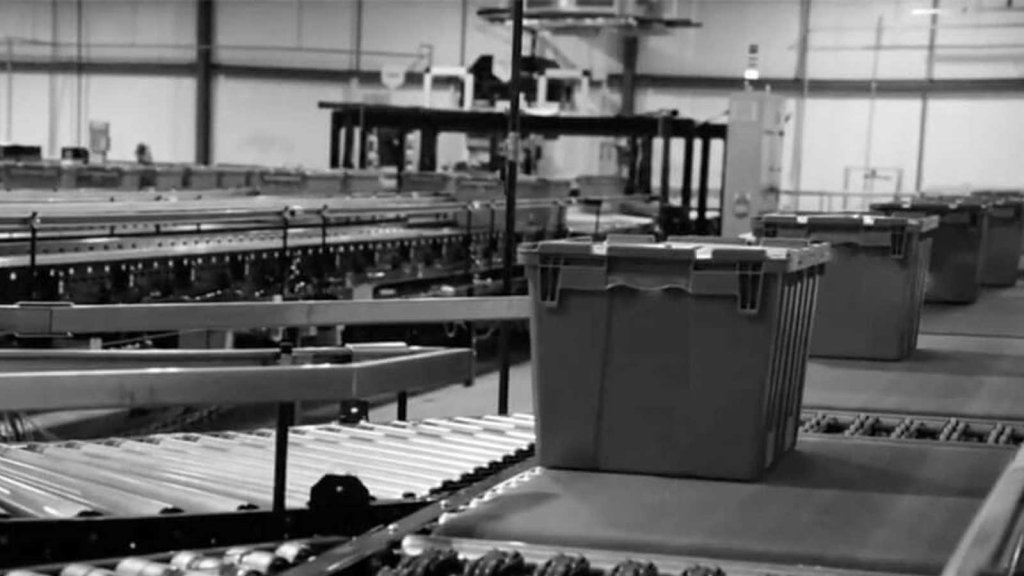 |
| Designed for heavy loads, pallet conveyors streamline transport in warehouses, enhancing flow in high-volume, space-constrained areas. | Ideal for transporting individual boxes, case conveyors offer efficient, reliable movement through processing and packaging areas. | Optimized for small item transport, bin and tote conveyors ensure swift, organized handling in distribution and order fulfillment lines. |
Enabling eCommerce with fast and efficient order fulfillment
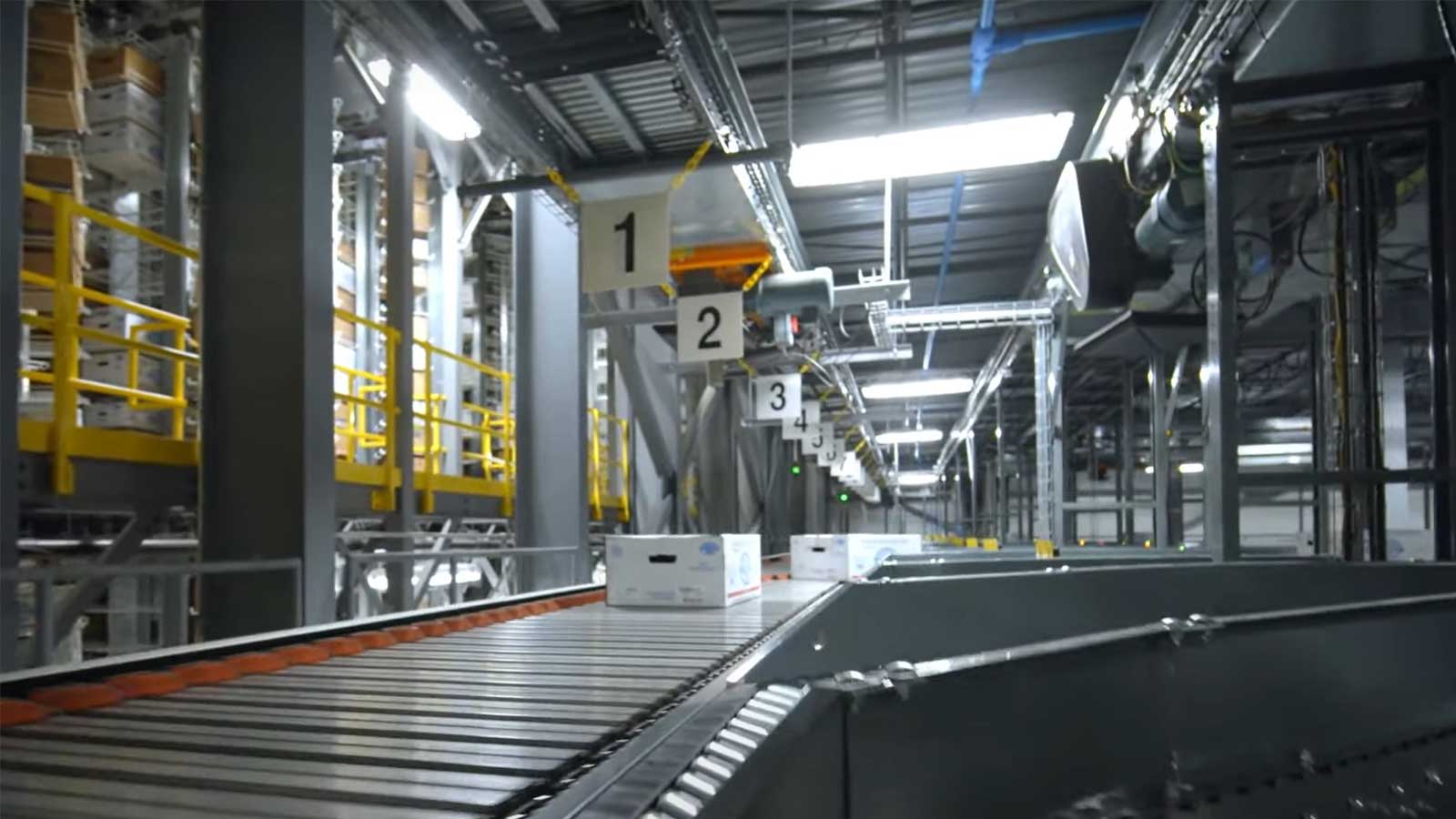
Creekstone Farms Premium Beef
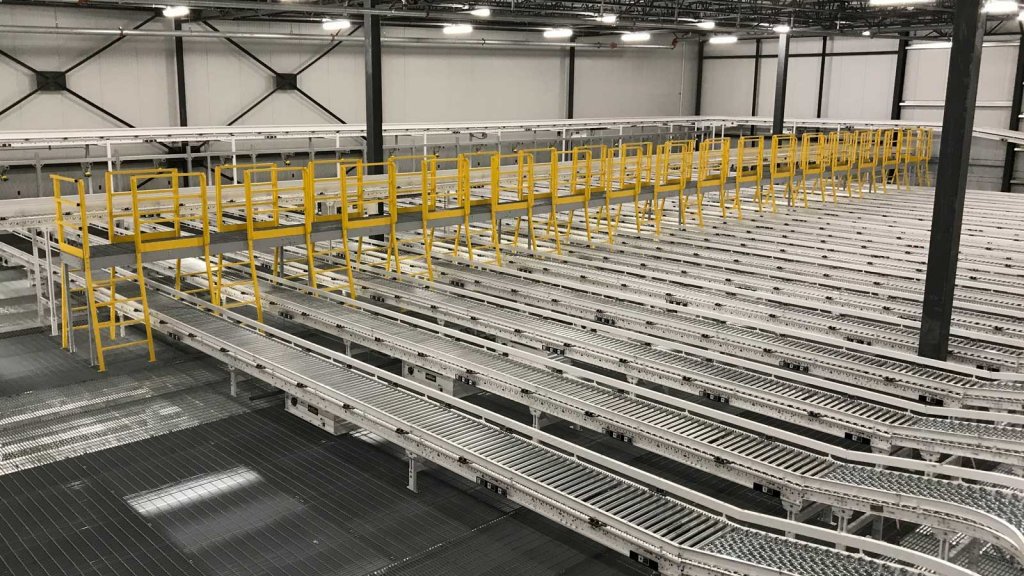
Creekstone Farms partnered with KPI Solutions to design and implement a new facility that will allow for flexibility and future growth. The automated conveyor system features single—and dual-sided high-speed shoe sorters, a storage buffer sorter, and a 16-lane accumulations deck.
Seamless Warehouse Conveyor Integration
Experience the Real Difference with KPI Solutions

Reduce Operational Costs

Increase Warehouse Productivity
Comprehensive Support for Your Conveyor System
LifeTime Services
Our relationship with clients doesn’t end with the commissioning of the system. Our post-sales support ensures that your conveyor system continues to operate at peak efficiency.


Frequently Asked Questions (FAQ)
- What are the most common types of warehouse conveyor systems?
The most widely used systems include:
- Belt Conveyors: Ideal for smooth, continuous transport over long distances.
- Roller Conveyors: Available as Gravity (unpowered) or MDR (Motorized Driven Roller) for controlled movement.
- Overhead Conveyors: Use vertical space to transport items above the floor.
- Spiral Conveyors: Efficiently move products between different elevations in a compact footprint.
- Sortation Conveyors: High-speed systems designed to divert products to specific destinations.
- What is an MDR (Motorized Driven Roller) conveyor, and why is it popular?
MDR conveyors use rollers powered by internal 24V DC motors. Unlike traditional systems that run continuously, MDR only runs when a product is present in a specific “zone.” This “run-on-demand” feature significantly reduces energy consumption, noise levels, and mechanical wear, making it a highly efficient choice for modern DCs.
- How do I choose between a belt conveyor and a roller conveyor?
Belt conveyors are best for small, irregular, or fragile items that might get stuck or damaged on rollers (like polybags or small parts). Roller conveyors are better suited for heavy, flat-bottomed items such as cartons, totes, or pallets. If you need accumulation (stopping items without stopping the whole line), MDR roller systems are the industry standard.
- Can conveyor systems handle different elevations and floor levels?
Yes. To move products vertically, we use Incline/Decline Belt Conveyors or Spiral Conveyors. Spirals are particularly popular because they provide continuous product flow while occupying a fraction of the floor space required by a long incline belt.
- What is “accumulation” and why is it important in a conveyor system?
Accumulation allows products to “buffer” or queue up on a conveyor line without touching or causing pressure on one another (Zero Pressure Accumulation). This is critical for feeding automated equipment such as sorters, palletizers, or packing stations, ensuring that a downstream stoppage doesn’t cause a backup that shuts down the entire warehouse.
- How do overhead conveyors help with space constraints?
Overhead conveyors use the “dead” cubic space near the ceiling to transport items (such as empty boxes, apparel on hangers, or trash removal). By moving these processes off the floor, you free up valuable real estate for picking, packing, and high-density storage.
- Are conveyor systems easy to reconfigure as my business grows?
Modern modular conveyor systems are designed for flexibility. Systems like MDR use standardized sections that can be easily added, removed, or rerouted. This modularity allows you to scale your automation incrementally without needing a complete system overhaul.
- How do I maintain a conveyor system to prevent downtime?
A proactive maintenance plan is key. This includes regular inspections of belts for tension and wear, cleaning rollers, checking sensors for alignment, and monitoring motor performance. KPI Solutions offers Lifetime Services to provide scheduled maintenance and 24/7 support, ensuring your system remains operational.
- Can conveyors be integrated with other technologies like AMRs or AS/RS?
Absolutely. Conveyors often act as the “connective tissue” of a warehouse, moving goods between high-density storage (AS/RS) and shipping docks, or acting as an induction point for Autonomous Mobile Robots (AMRs). Our Warehouse Execution System (WES) software orchestrates these different technologies to ensure a seamless material flow.
- What safety features are included in modern conveyor designs?
Safety is paramount. Systems are equipped with emergency stop (e-stop) buttons/cords, side guards to prevent falls, and sensors that detect jams or obstructions. In areas where workers cross paths with the conveyor, we design “walk-over” or “gate” sections to ensure safe movement throughout the facility.