Scroll Down

Flexible, Scalable Storage Built for Modern Distribution
Maximize storage density, reduce labor dependency, and increase throughput without being locked into fixed automation paths. 4-way shuttle systems give warehouse operations the flexibility to scale, adapt, and perform in high-demand environments.
By combining intelligent shuttle vehicles, vertical lifts, and integrated conveyor interfaces, these systems move pallets quickly and safely through multi-deep racking structures. The result is a high-density, software-driven solution that supports evolving SKU profiles, fluctuating volumes, and long-term growth.
KPI Solutions designs, implements, and supports turnkey 4-way pallet shuttle systems tailored to your facility, operational requirements, and automation strategy.
Why KPI Solutions for 4-Way Shuttle Systems
At KPI Solutions, 4-way shuttle systems are part of a comprehensive automation strategy. We work with you from initial concept through implementation and long-term support to ensure the system delivers measurable results.
Our approach includes system design, simulation, ROI modeling, software integration, and turnkey deployment. Every solution is tailored to your operation, ensuring that your 4-way pallet shuttle system aligns with your business goals today and scales for the future.
Our 4-Way Shuttle System Experience
300K Pallet Positions Across All Projects | 300 Shuttles | 7 Sites
Industry |
Pallet Positions |
4-Way Shuttles |
| Pharmaceutical Manufacturer | 12,000 | 12 |
| Food Manufacturer | 14,171 | 10 |
| CPG Site #1 | 129,000 | 100 |
| CPG Site #2 | 62,000 | 70 |
| Ambient Supermarket | 23,000 | 53 |
| Refrigerated Supermarket | 5,000 | 23 |
| Frozen Supermarket | 13,000 | 18 |
What Is a 4-Way Shuttle System?
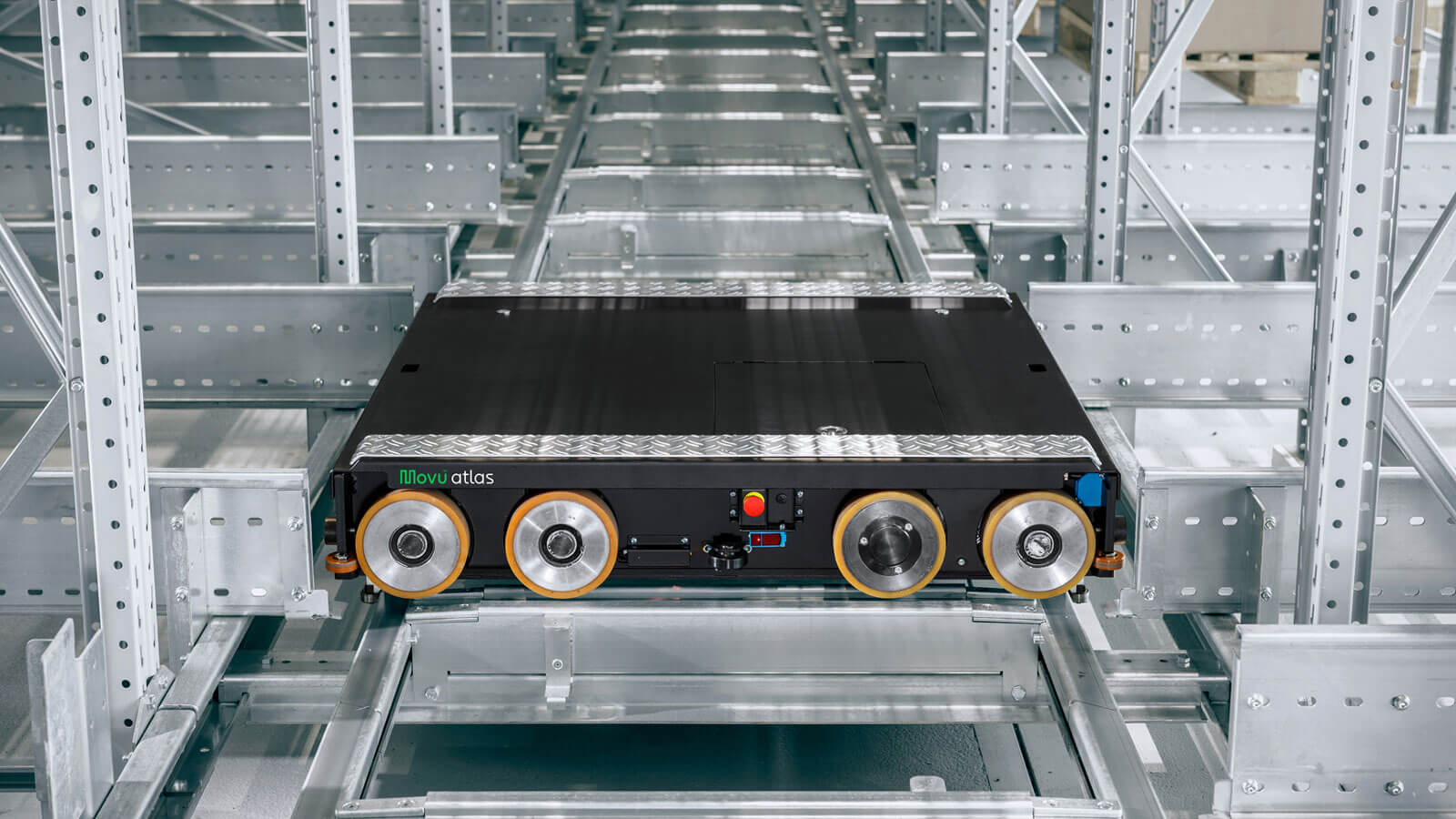
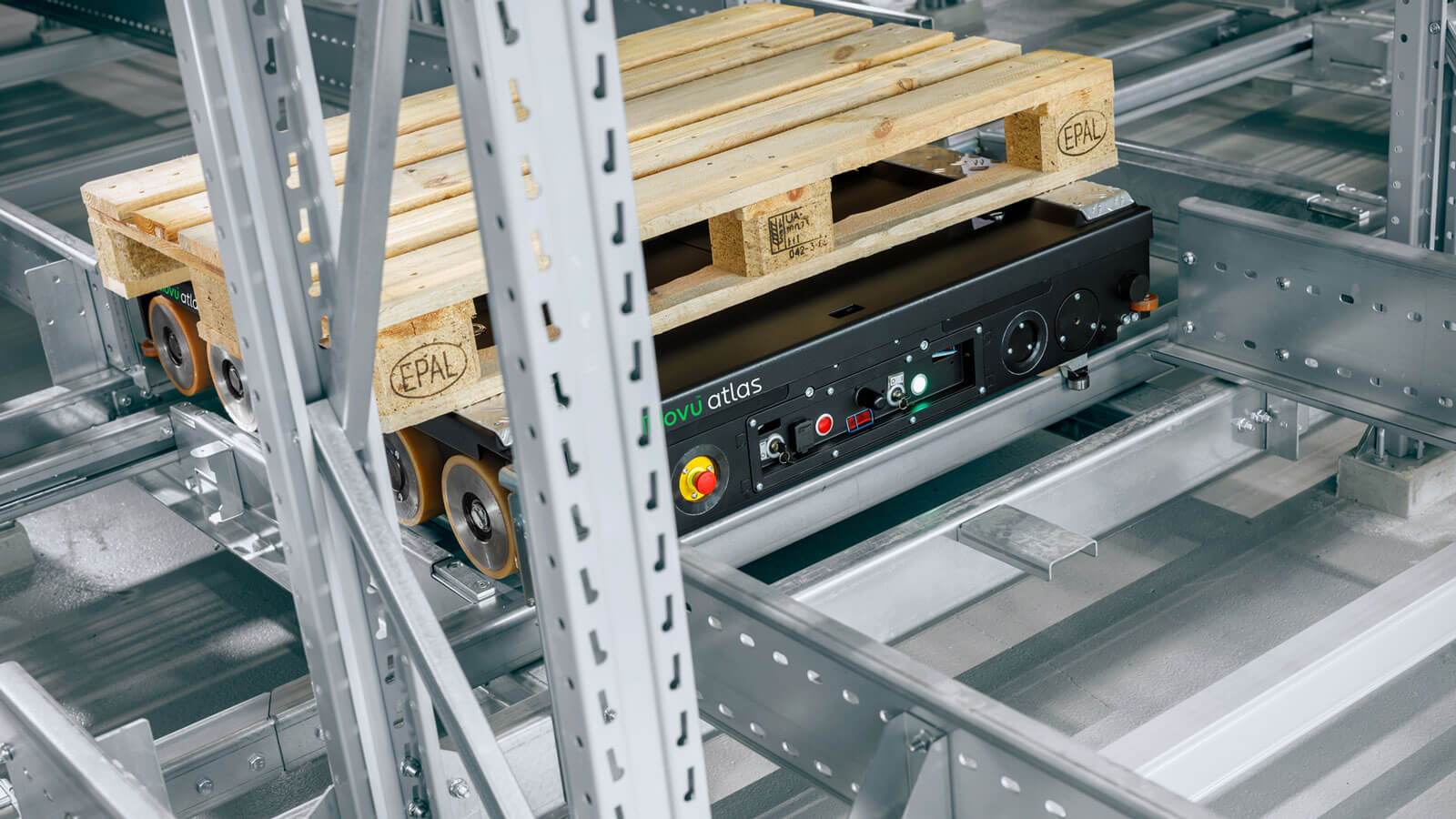
A 4-way shuttle system is an automated storage and retrieval solution that uses battery-powered shuttles capable of traveling both longitudinally and laterally within a racking structure. Shuttle lifts enable vertical movement between levels, allowing access to any storage position within the system.
Unlike traditional shuttle or crane-based AS/RS solutions, a 4-way pallet shuttle is not restricted to a single aisle or direction. It can navigate across a full storage grid, delivering unmatched flexibility in pallet handling and storage configuration.
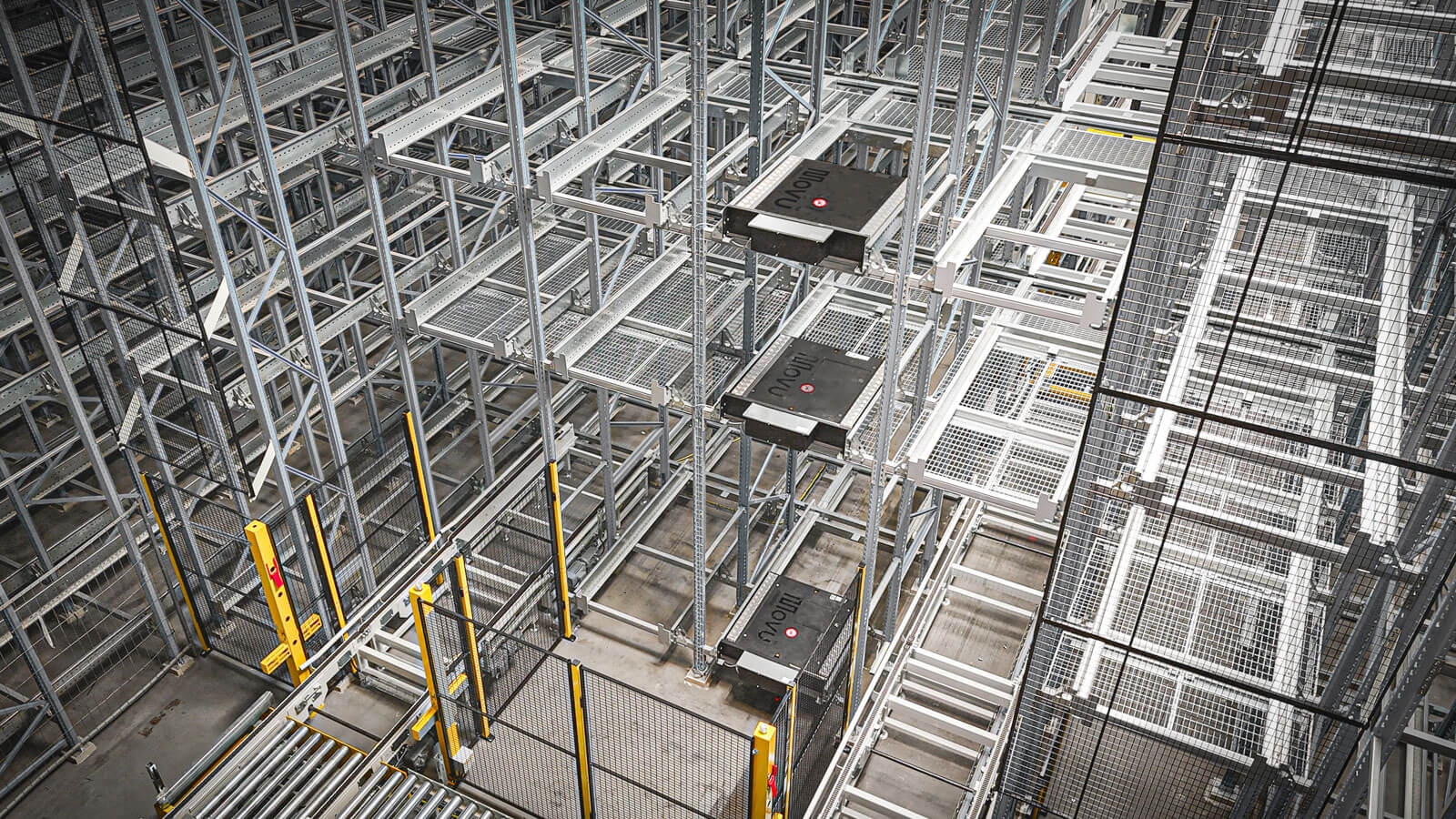
The system typically includes shuttle vehicles, embedded rails, lift systems, conveyor interfaces, and a centralized control platform that coordinates movement in real time. Together, these components create a dynamic, high-performance pallet shuttle automation environment.
Why Operations Are Moving Beyond Traditional AS/RS
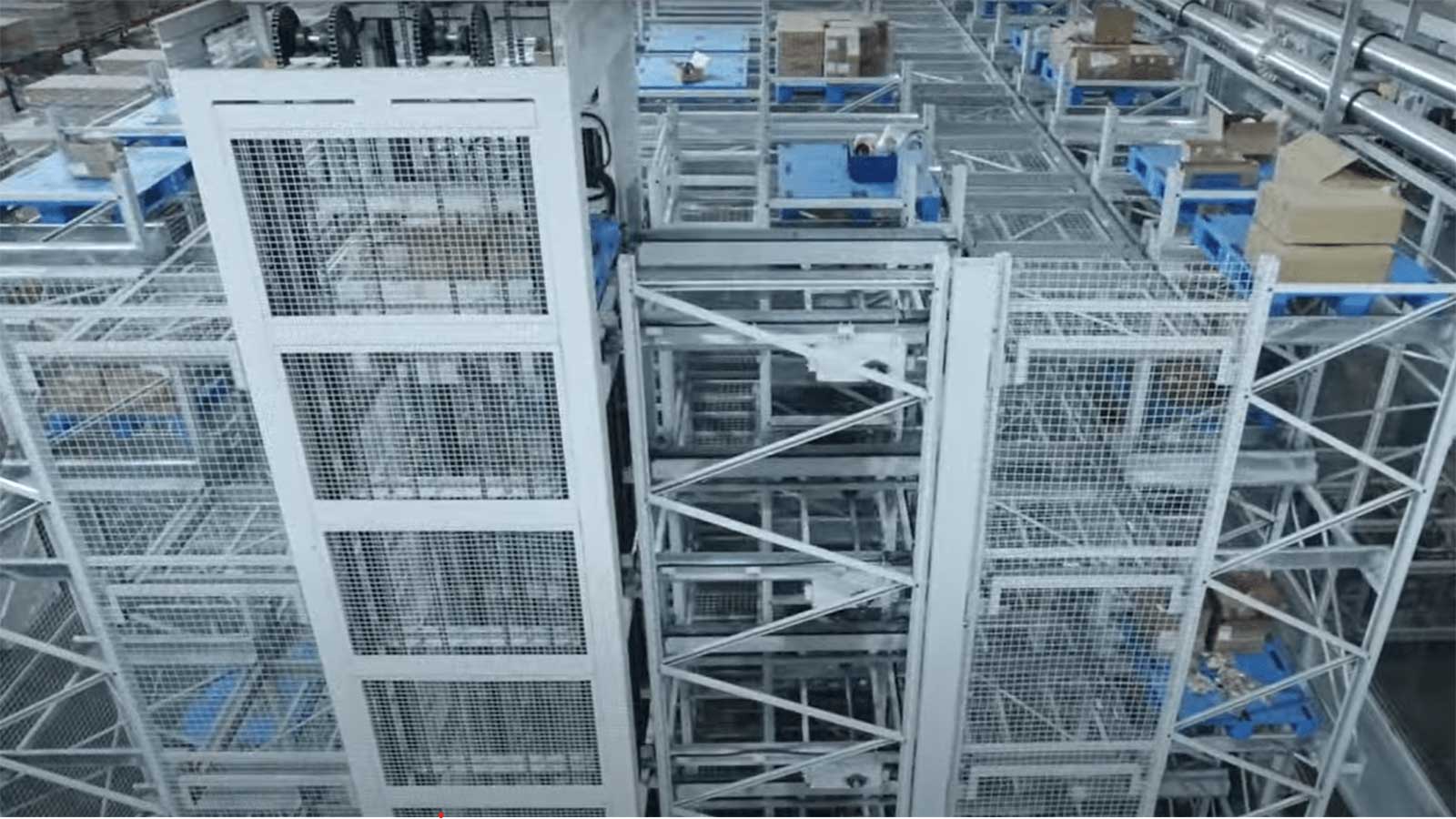
Traditional AS/RS systems have long been used for high-density storage, but they often introduce rigid infrastructure that can limit adaptability. Fixed aisles, dedicated travel paths, and reliance on single machines can restrict throughput and make system expansion more complex.
4-way shuttle systems remove these limitations with a distributed, multi-directional design. Instead of relying on one piece of equipment per aisle, multiple shuttles operate simultaneously across the system, dynamically routing pallets and balancing workloads.
This approach improves system resilience, enables faster retrieval times, and allows operations to adapt without major structural changes.
How a 4-Way Pallet Shuttle System Works
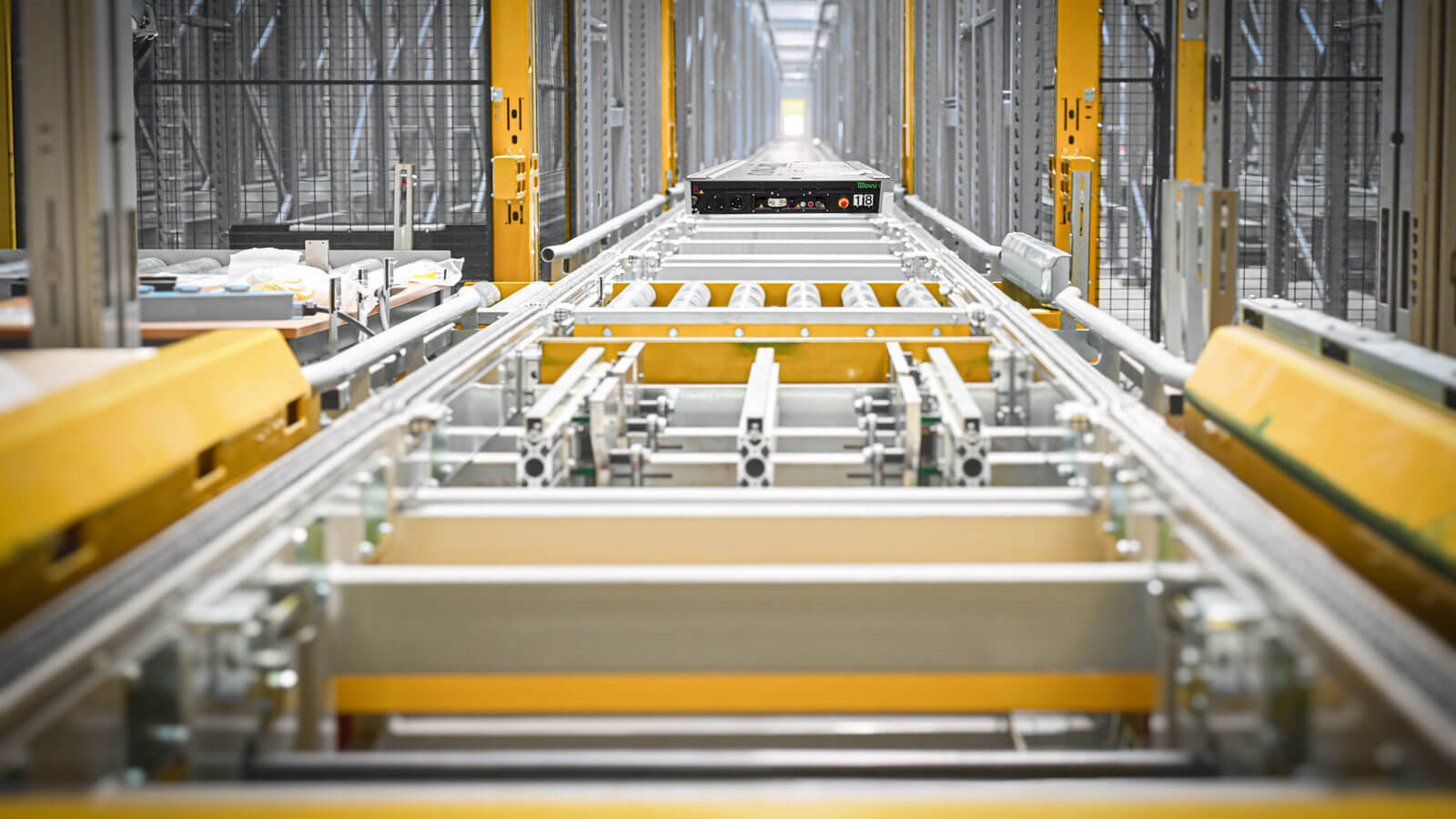
Inside a 4-way shuttle system, pallets enter through infeed conveyors where they are verified for dimensions, weight, and identification. Once validated, the system assigns an optimal storage location based on defined rules such as SKU velocity, temperature zone, or order priority.
A 4-way pallet shuttle transports the load horizontally and laterally within the racking structure, while shuttle lifts move pallets between levels. On retrieval, shuttles bring pallets to outbound conveyors or sequencing buffers, where they are staged for shipping, consolidation, or downstream processing.
Throughout the process, warehouse control software orchestrates every movement. Tasks are dynamically assigned to reduce travel distance, minimize congestion, and ensure consistent throughput across the system.
Designed for Density Without Sacrificing Access
4-way shuttle systems are purpose-built to maximize storage capacity within a given footprint. By reducing or eliminating traditional aisle requirements, they enable multi-deep, multi-level storage configurations that significantly increase pallet positions per cubic foot.
Unlike other high-density storage solutions, this approach maintains strong accessibility. Shuttles can approach inventory from multiple directions, allowing flexible retrieval without the constraints of deep-lane limitations.
For operations facing space constraints or rising real estate costs, this balance of density and access creates immediate and long-term value.
What This Means for Your Operation
A 4-way shuttle system delivers measurable performance improvements across the entire warehouse:
-
 Maximize Storage Capacity: Increase storage capacity without expanding your building footprint.
-
 Increase Throughput: Improve throughput with simultaneous, multi-shuttle operations.
-
 Reduce Labor and Congestion: Reduce forklift travel, congestion, and labor dependency.
-
 Improve Inventory Accuracy: Enhance inventory accuracy through automated handling and verification.
Where 4-Way Shuttle Systems Deliver Value
The flexibility of pallet shuttle automation makes it suitable for a wide range of industries and applications. It is particularly effective in environments that demand both high density and operational agility.
Common applications include:
- E-commerce and omnichannel fulfillment
- Manufacturing buffer and finished goods storage
- Cold storage and freezer facilities
- High-volume distribution centers transitioning to automation


Agriculture Industry
Handle seasonal harvest surges with simultaneous multi-shuttle throughput, and store more product without expanding your footprint. Rules-based rotation keeps stock moving to protect freshness.
Cold Chain Industry
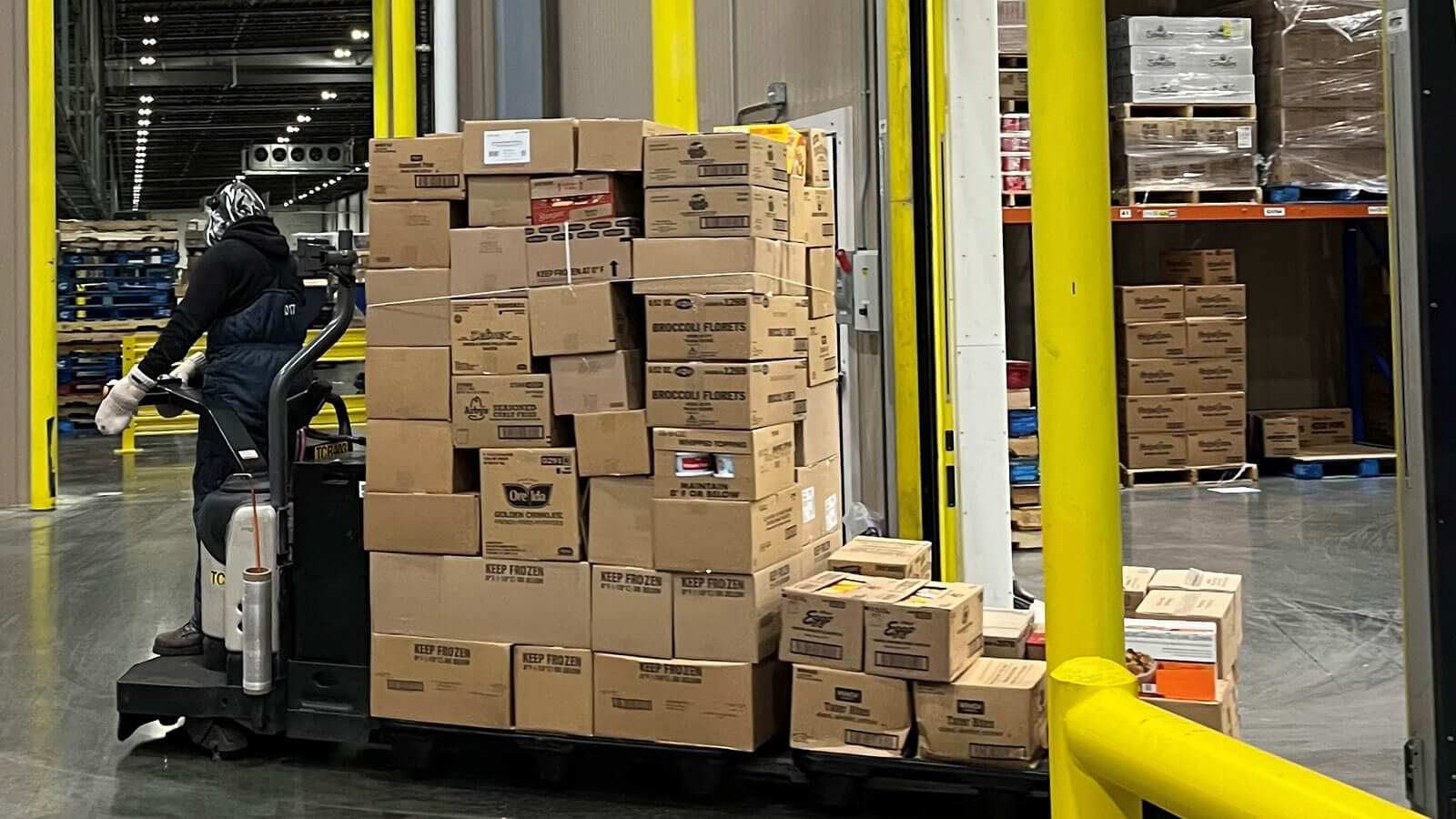
Maximize cube utilization to cool less air and cut energy costs, while reducing the time workers spend in freezing zones. Denser storage, lower operating costs, and safer conditions.
CPG Industry
Move high pallet volumes with the density and throughput CPG operations demand. Dynamic slotting adapts to shifting SKU velocity, and capacity scales by adding shuttles as volumes grow.
Grocery Industry
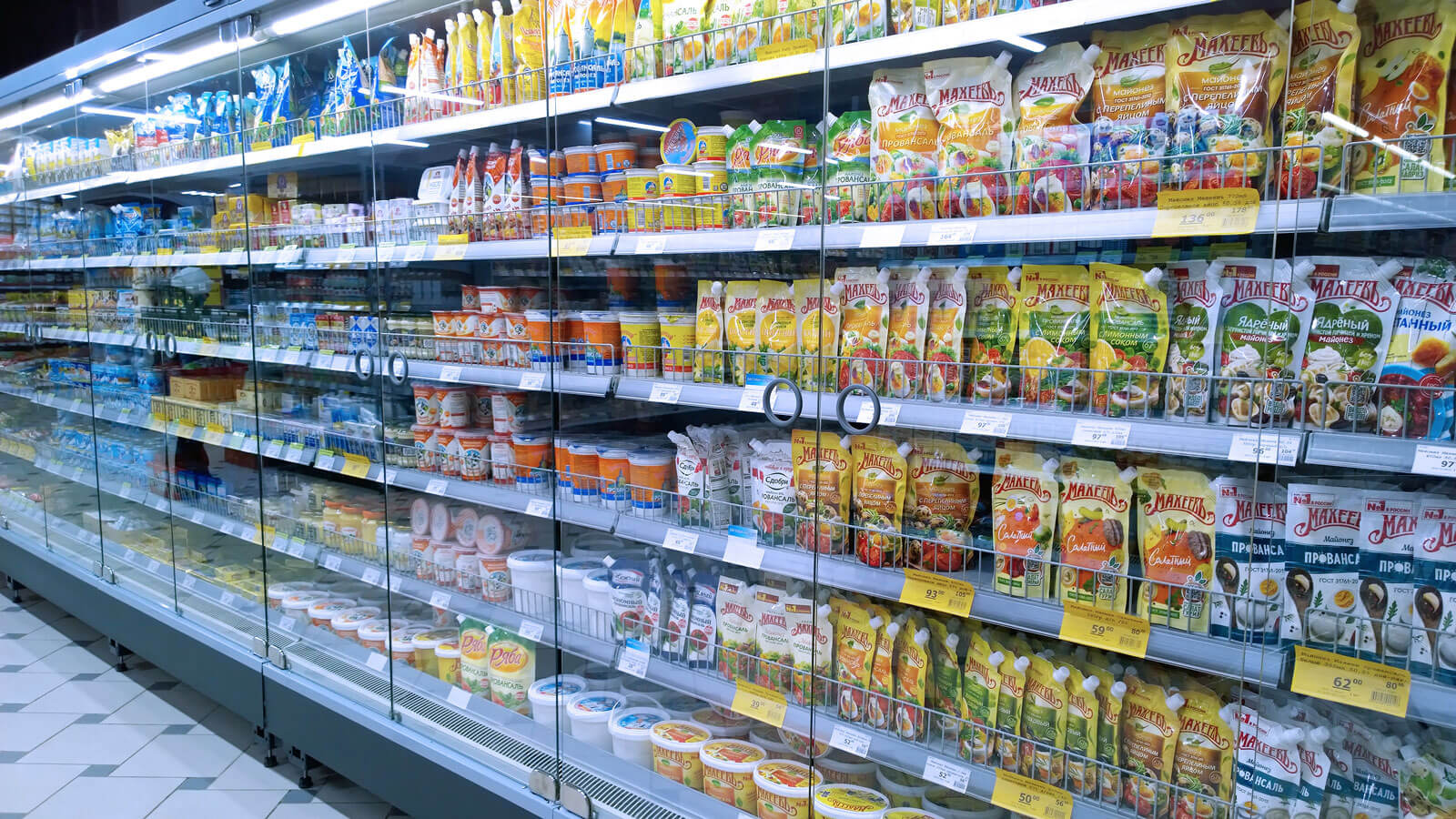
Store ambient, refrigerated, and frozen product in dense, flexible configurations across temperature zones. Steady throughput and FIFO rotation keep stores replenished and stock fresh.
When a 4-Way Shuttle System Makes Sense
A 4-way shuttle system is an ideal solution for operations that are running out of storage capacity but cannot expand their physical footprint. By increasing density and optimizing layout, it allows facilities to store more without building additional space.
In cold storage environments, where cube utilization and energy efficiency are critical, the ability to reduce air volume while minimizing labor exposure creates measurable cost savings.
For palletized operations managing large SKU assortments or fluctuating demand, the system’s flexibility ensures that storage strategies can evolve without requiring structural changes.
It is also well suited for organizations transitioning from manual processes to automation, offering a scalable path forward that aligns with future growth.
A Connected System, Not Just Equipment
4-way shuttle systems are part of a larger automation ecosystem. Integration with warehouse management and execution systems ensures synchronized inventory control, task prioritization, and real-time visibility.
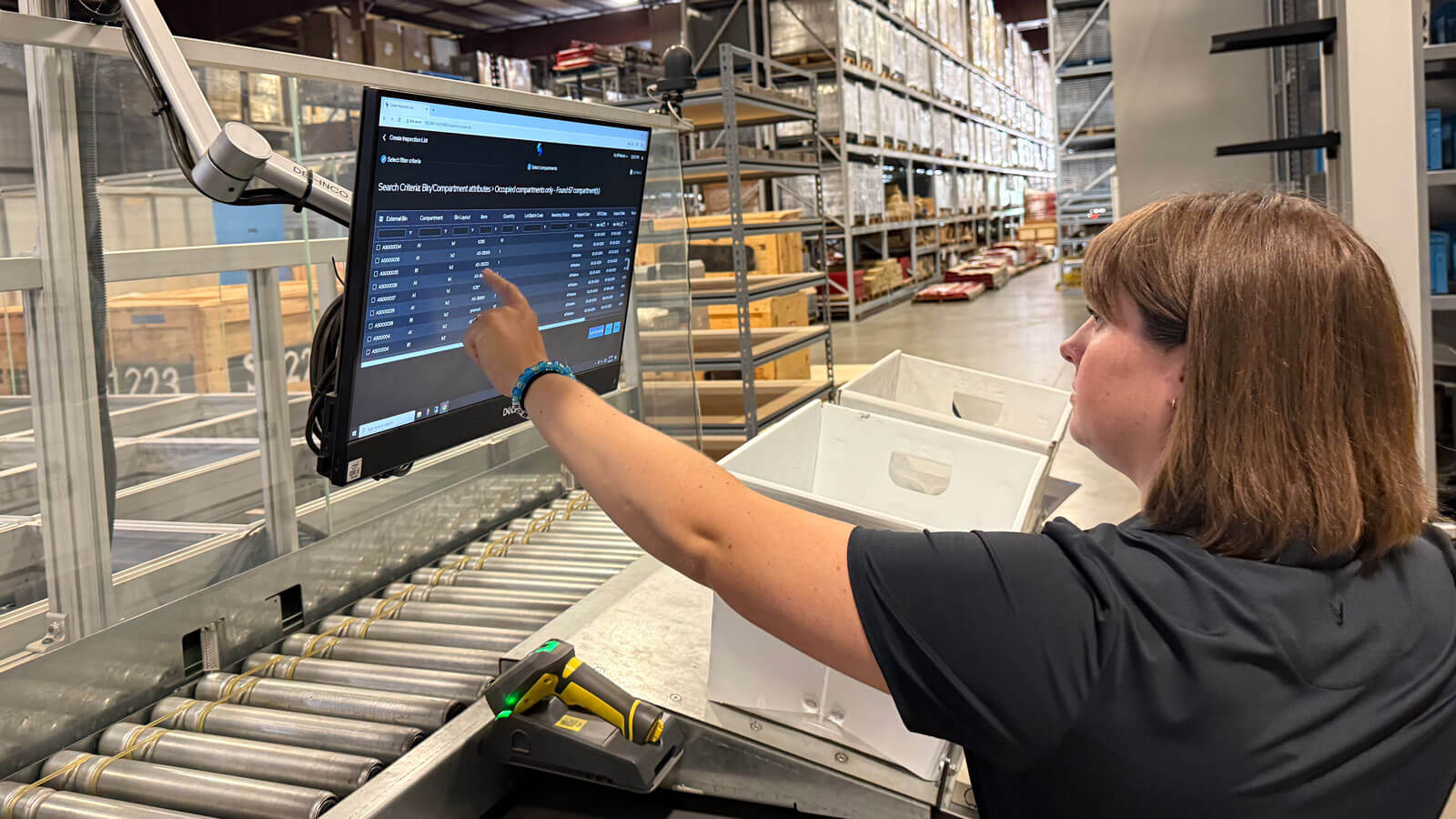
KPI Solutions enhances this performance with Opto™ WES, our warehouse execution system designed to orchestrate complex automation environments. Opto™ intelligently directs shuttle activity, balances workloads across the system, and optimizes inventory flow based on real-time conditions. The result is improved throughput, reduced congestion, and a more responsive operation that adapts as demand changes.
The modular design of a 4-way shuttle system allows you to scale as needed by adding shuttles, lifts, or workstations. Paired with Opto™, the system continuously refines how work gets done, ensuring your operation evolves without requiring physical redesign.
Scalable by Design
One of the key advantages of a four-way shuttle system is its modular architecture. Throughput and capacity can be increased incrementally by adding more shuttles, lifts, or workstations.
This allows operations to align capital investment with demand, rather than overbuilding upfront. As volumes increase or business requirements change, the system evolves alongside the operation.
Dynamic slotting and rules-based logic further enhance flexibility, ensuring that storage locations and workflows adjust without physical modifications.
News & Industry Insights
WinCo Foods
Should You Consider Four-Way Shuttle Systems for Palletized Warehousing?

Frequently Asked Questions (FAQs)
- How fast can a 4-way shuttle system process pallets?
Throughput depends on system design, including the number of shuttles and lifts, but multiple shuttles operating simultaneously allow the system to handle high volumes and absorb peak demand efficiently. - What role do shuttle lifts play in a 4-way system?
Shuttle lifts move pallets or shuttle vehicles between storage levels, enabling vertical connectivity and ensuring the system can access all positions within the racking structure.
- Can 4-way shuttle systems handle mixed pallet sizes and weights?
Yes, with proper design and load-handling configuration, they can support a range of pallet sizes, weights, and product types within defined specifications. - How do 4-way shuttle systems integrate with other warehouse technologies?
They can connect with conveyors, AGVs, palletizers, and picking systems to create a seamless material flow from receiving through shipping. - What are the power and charging requirements for shuttle vehicles?
Most 4-way pallet shuttles are battery-powered and use automated or opportunity charging stations within the system to maintain continuous operation. - How do you maintain a 4-way shuttle system?
Maintenance typically includes preventive service schedules, system monitoring, and access to critical spare parts. Many systems also offer real-time diagnostics to support proactive maintenance. - What safety features are included in a 4-way shuttle system?
Systems include safety PLCs, sensors, guarding, interlocks, and emergency stop functions to protect personnel and equipment while ensuring safe operation. - How long does it take to implement a 4-way shuttle system?
Implementation timelines vary based on system size and complexity, but many projects use phased deployment approaches to reduce risk and begin delivering value earlier. - What factors impact the ROI of a 4-way shuttle system?
ROI is influenced by storage density gains, labor savings, throughput improvements, reduced product damage, and overall operational efficiency. - What should be evaluated before investing in pallet shuttle automation?
Key considerations include pallet quality, SKU profile, throughput requirements, facility constraints, and system integration needs to ensure the solution aligns with operational goals.