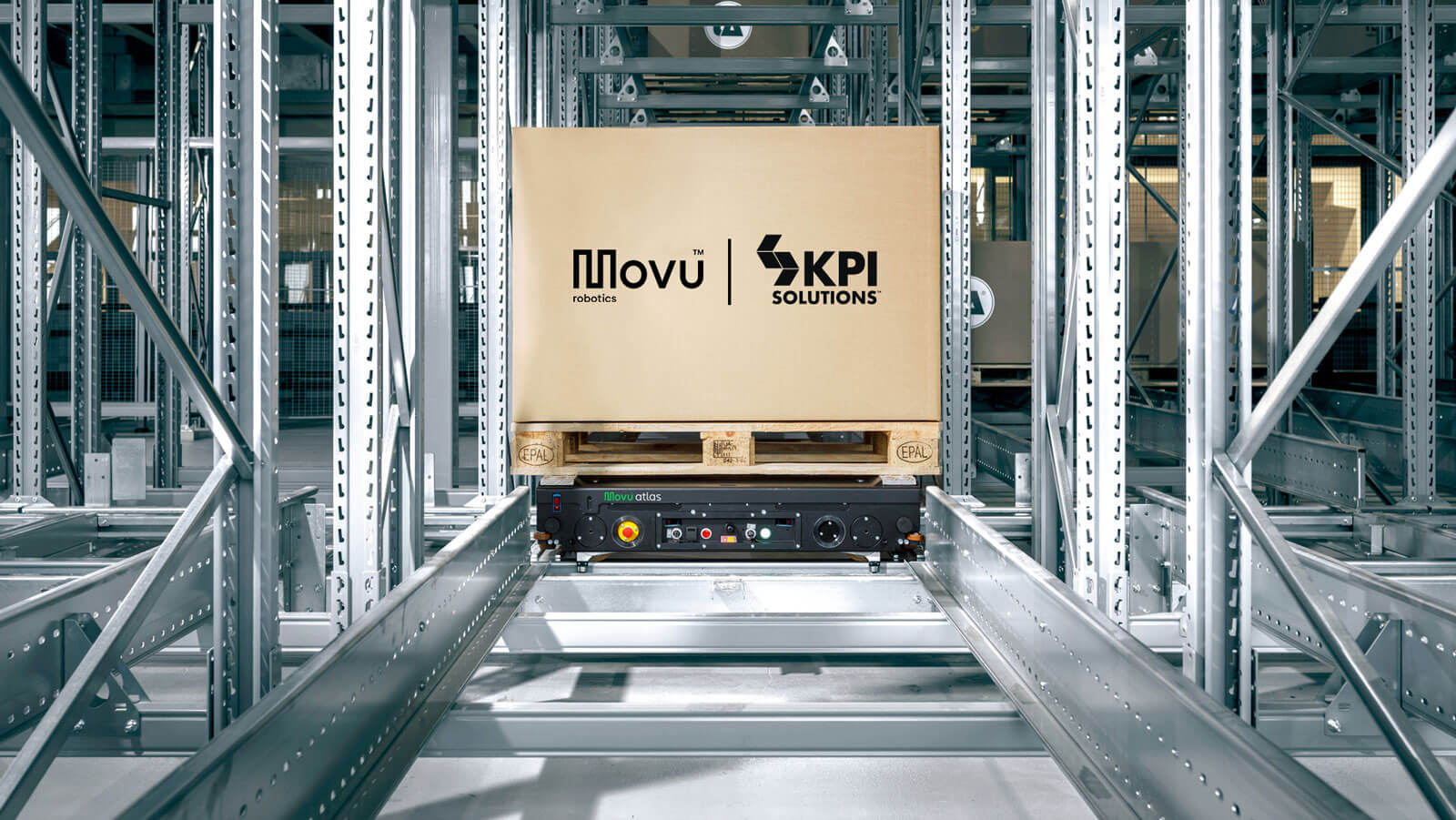
4-Way Shuttle
High-density shuttle storage and retrieval



 Configurable to Meet Business Requirements: Core code base offers modular functionality with configurable elements to customize for your specific needs.
 Enhanced Functionality and Analytics: Opto WES bridges any gap in your WMS functionality with intelligent task planning and prioritization, optimizing labor and equipment, and scaling for fluctuating volumes.
 Technology-Neutral: One point of connection to any upstream system and downstream automated materials handling, integrating seamlessly and simplifying security and maintenance.
High-density shuttle storage and retrieval
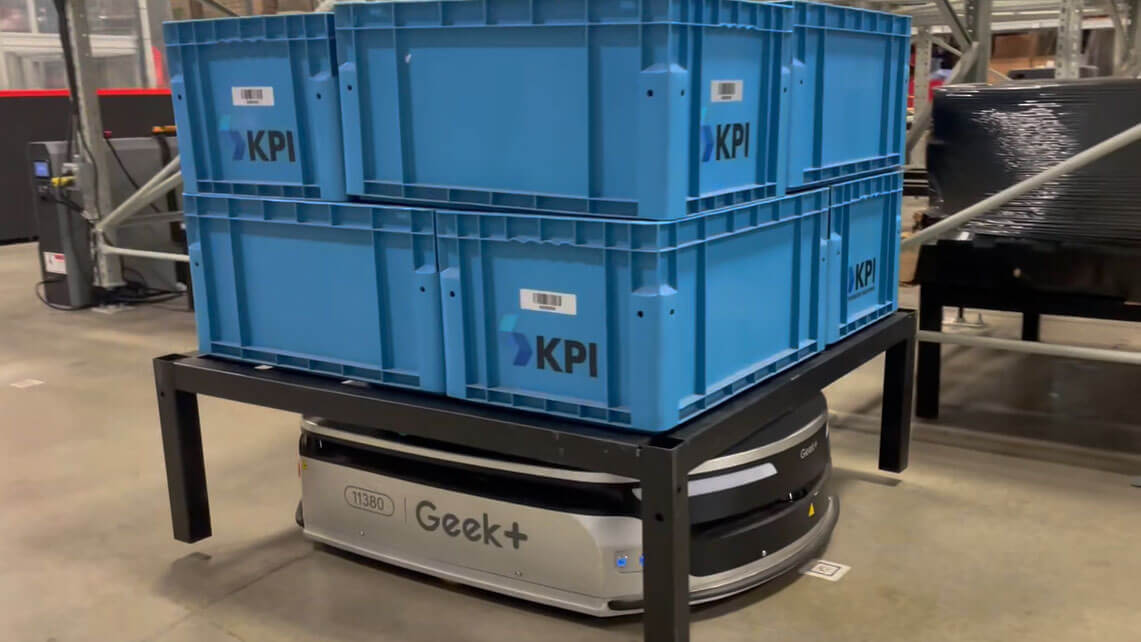
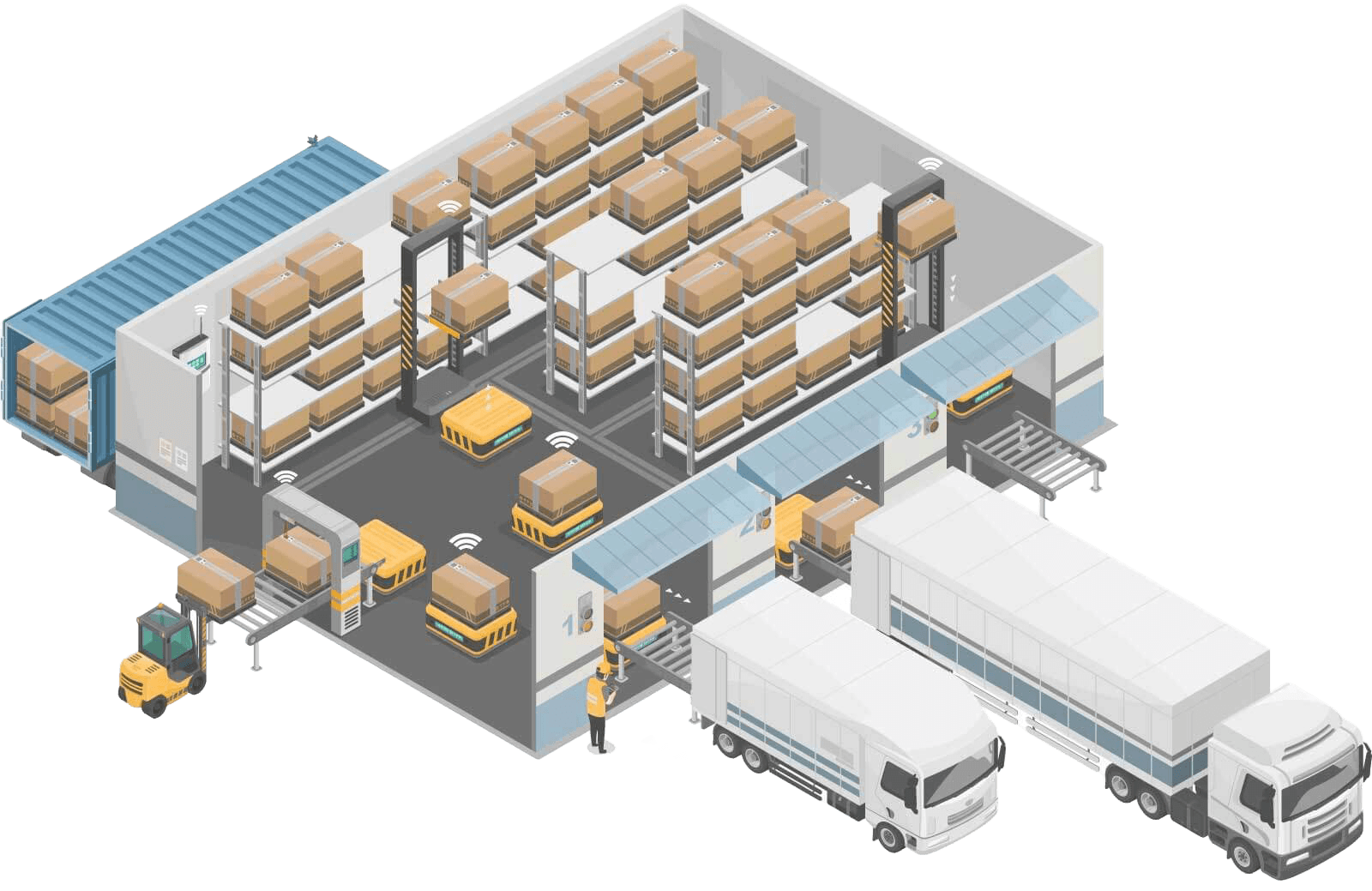
Autonomous mobile/guided robots for flexible transport
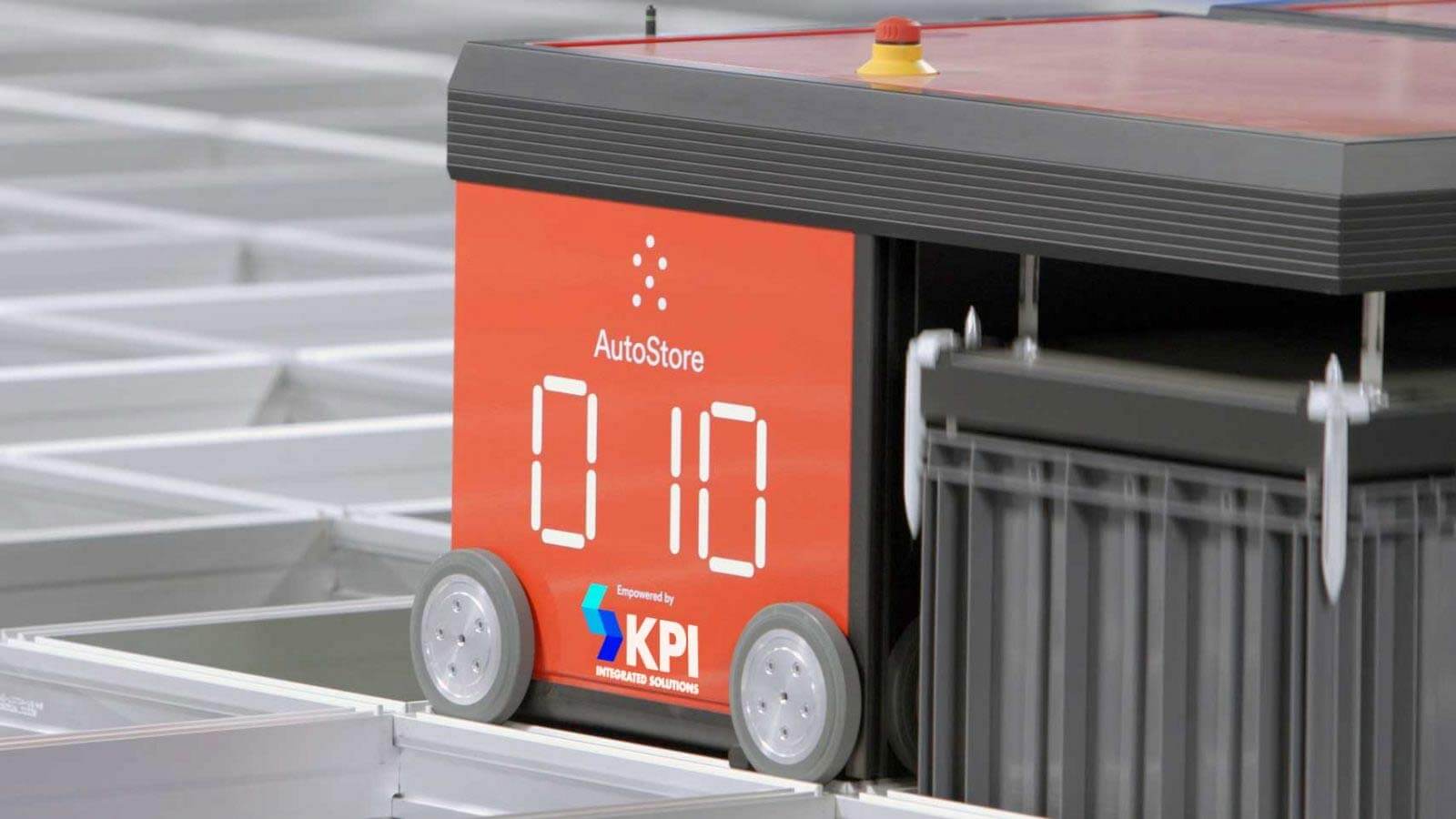
Automated storage & retrieval systems
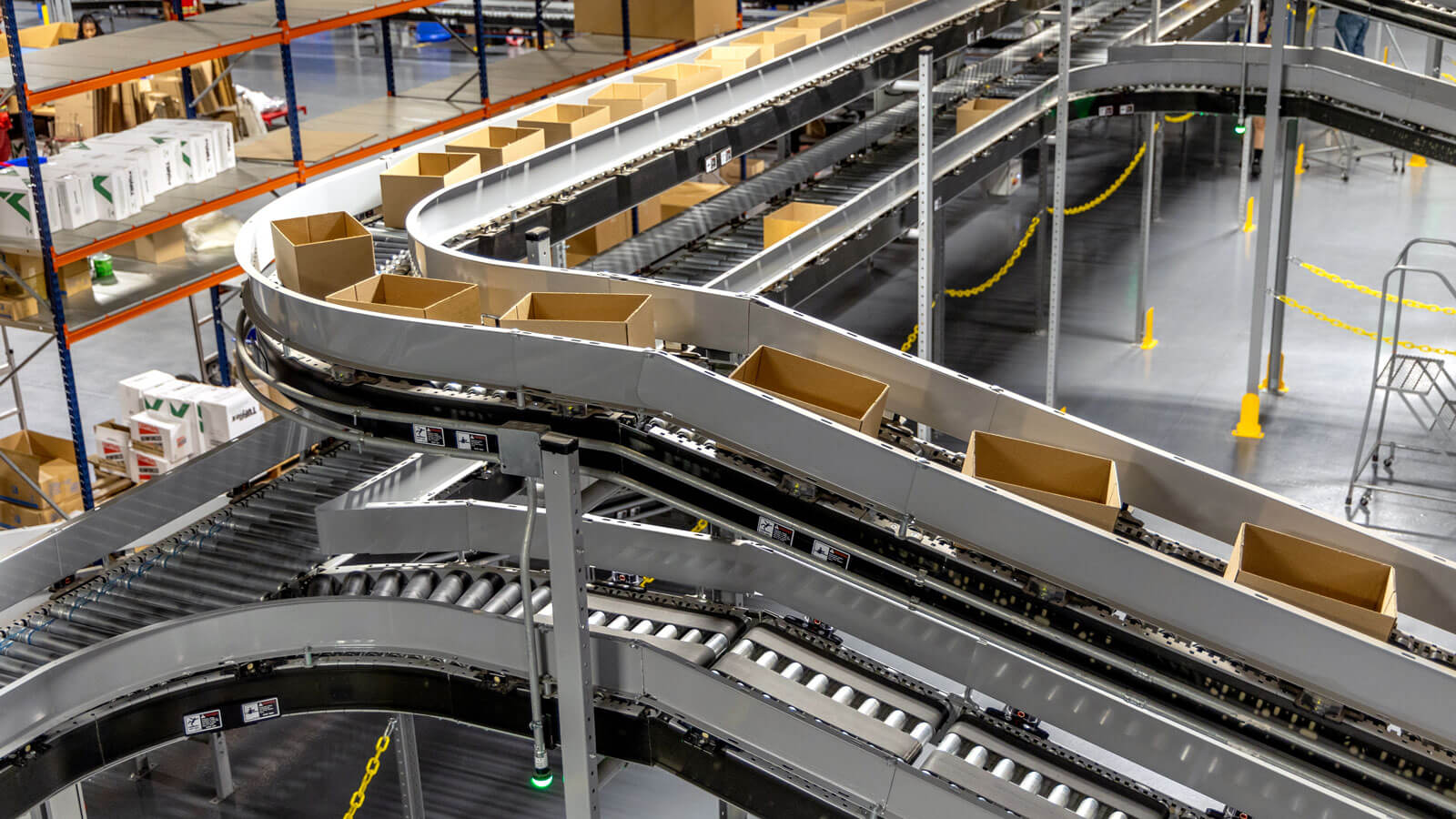
Powered conveyor transport and accumulation
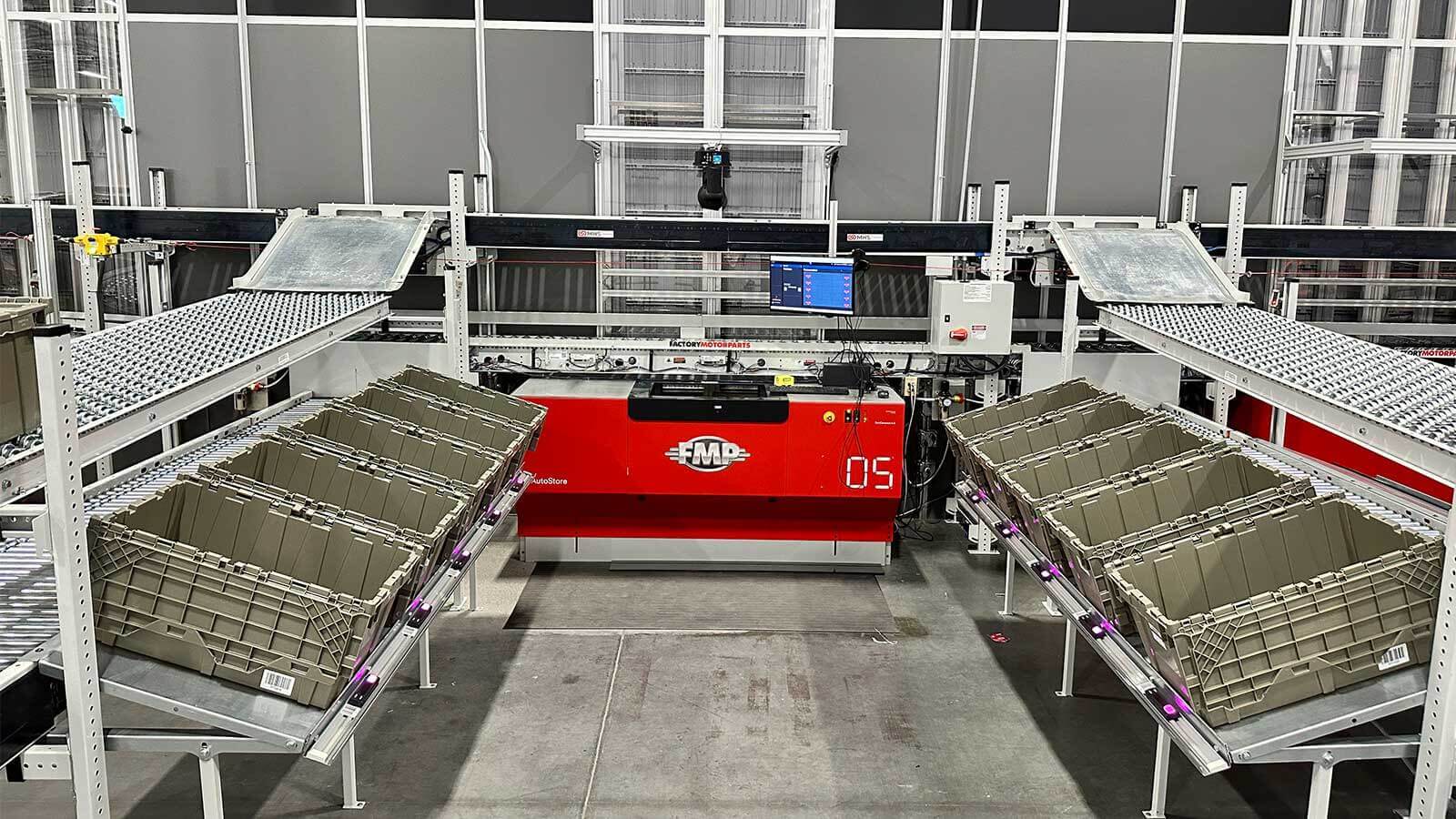
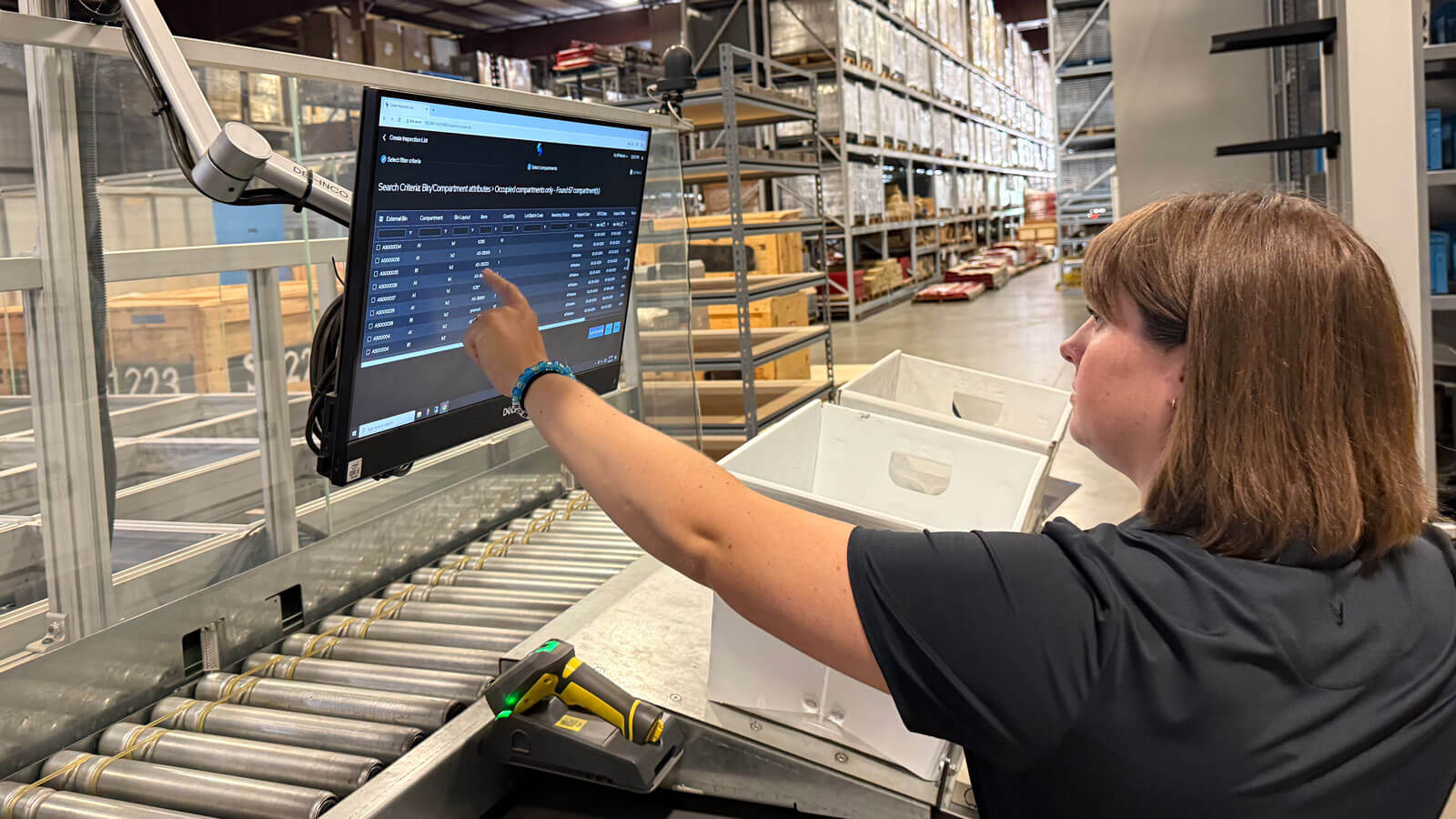
Automated bin/tote delivery to pick stations
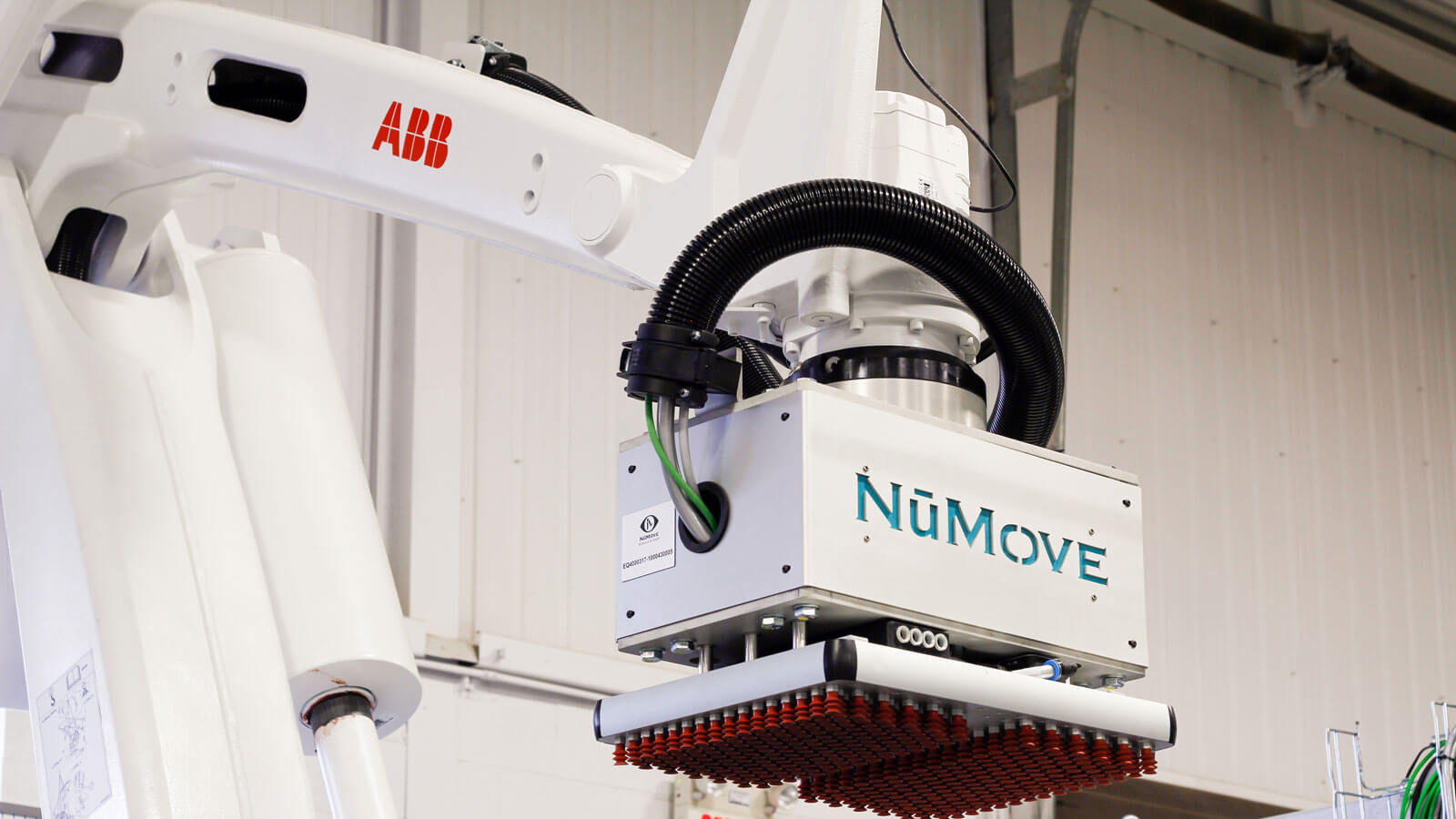
Automated stacking and unstacking of products on pallets
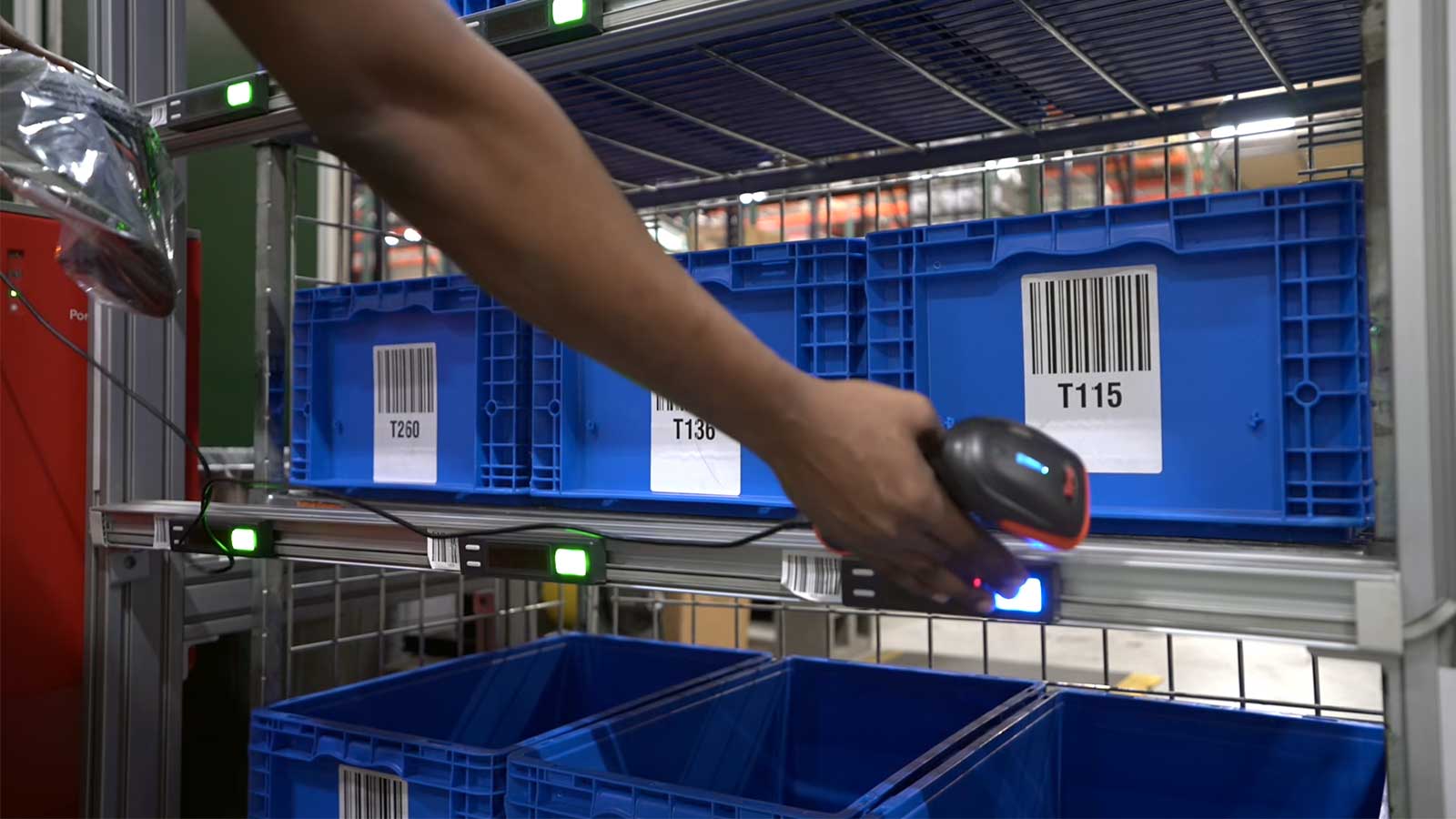
Light-directed picking and putting
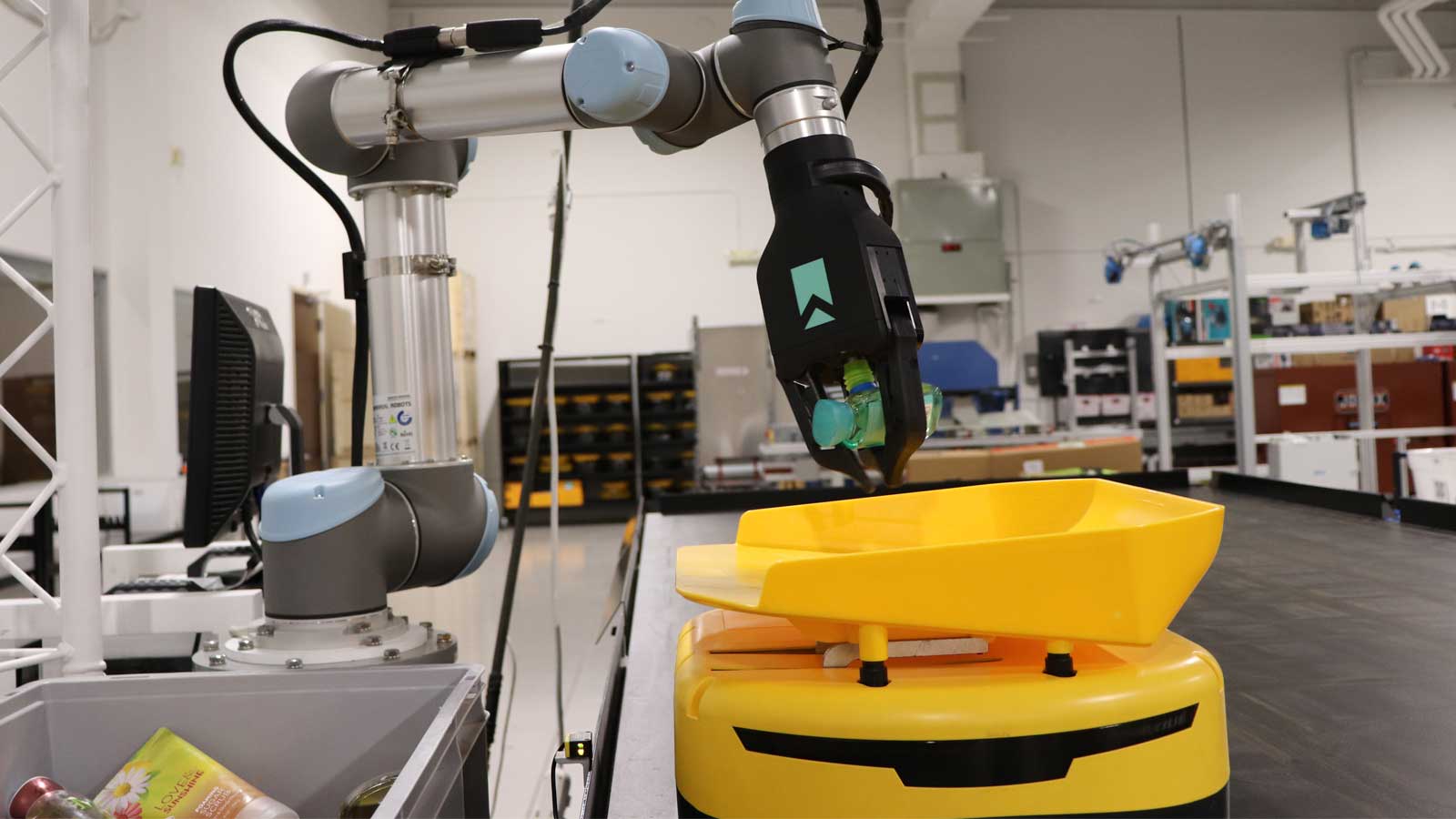
Robotic each/piece picking
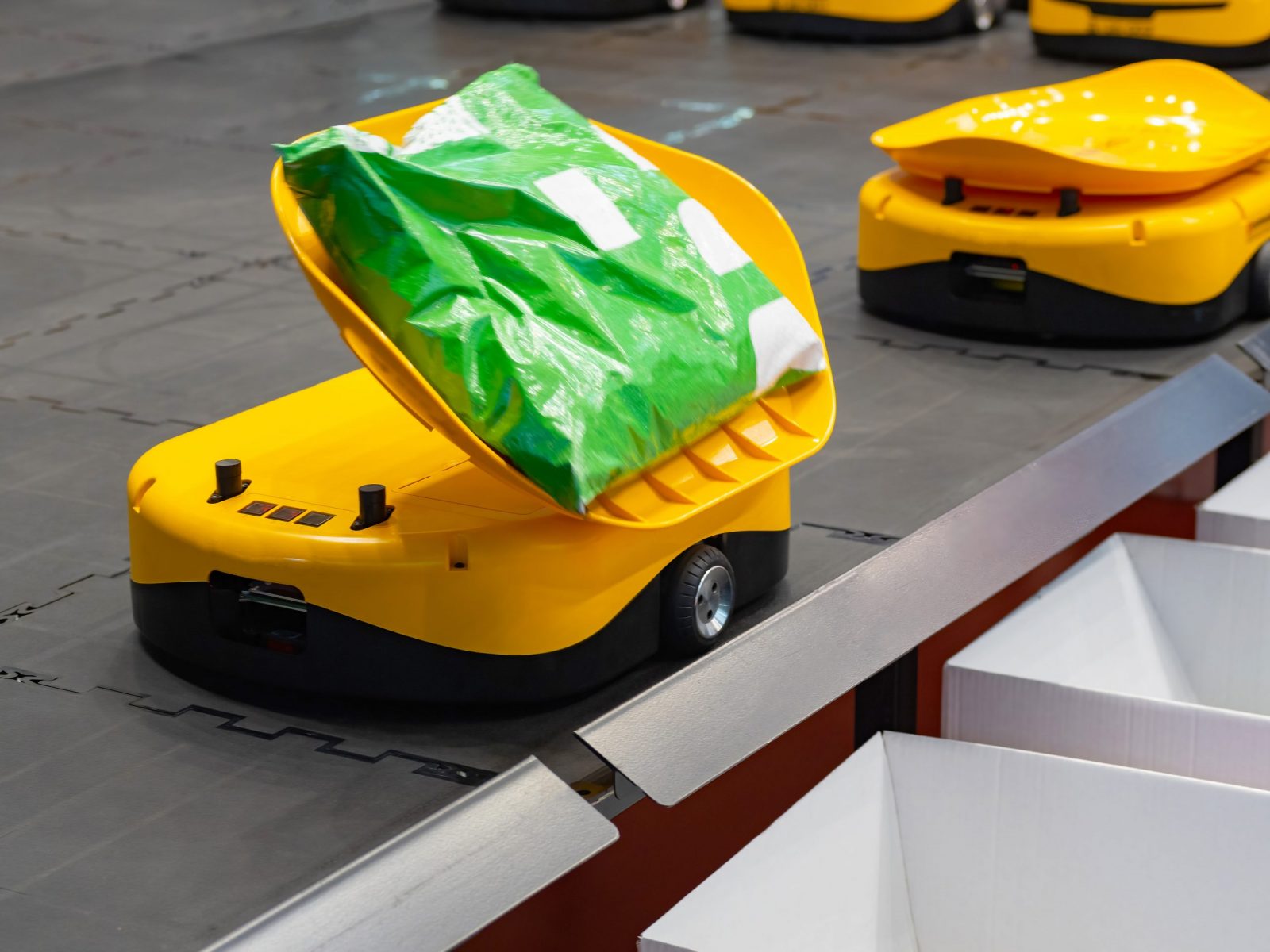
High-speed sortation of individual units and orders
1) What does a Warehouse Execution System (WES) do?
A WES manages real‑time warehouse activity by orchestrating workflows, labor, and automation to optimize overall throughput. Opto WES fulfills this role by synchronizing systems, balancing workloads, and enabling smart, real‑time decision‑making across the operation.
2) How does a WES improve efficiency in warehouse operations?
A WES boosts efficiency by optimizing task planning, prioritizing activities, and ensuring equipment and labor work in harmony. Opto WES enhances this by intelligently sequencing tasks and adapting to volume fluctuations so your facility consistently performs at its peak.
3) How does a WES enhance labor utilization?
A WES assigns tasks based on real‑time needs, reducing idle time and improving labor allocation. Opto WES achieves this through task planning, real‑time monitoring, and workflow balancing that ensure labor is deployed exactly where it creates the most value.
4) How does a WES support automation in the warehouse?
A WES connects and coordinates various automated systems to maintain a steady, optimized flow of goods. Opto WES integrates seamlessly with automated material handling systems to synchronize equipment and labor, enabling smooth execution without disruptions.
5) How does a WES handle fluctuating order volumes?
A WES adapts to changing workloads by adjusting task sequencing, reallocating labor, and optimizing equipment usage. Opto WES is built for this flexibility, scaling with work volume to maintain efficiency during both high‑demand periods and slower cycles.
6) How does a WES extend the capabilities of an existing WMS?
A WES fills execution‑level gaps that a WMS typically does not address—like task sequencing, real‑time equipment coordination, and workflow balancing. Opto WES bridges these gaps by enhancing WMS operations with intelligent orchestration and advanced execution logic.
7) What kind of real‑time visibility should a WES offer?
A strong WES should provide live insights into labor performance, equipment activity, and order progress. Opto WES delivers real‑time monitoring across all labor and equipment, giving managers the visibility they need to quickly identify issues and optimize performance.
8) How configurable should a WES be for different warehouse environments?
A WES should offer modular, configurable functionality to match varying workflows and business requirements. Opto WES follows this model with a modular core code base and configurable elements that allow it to adapt to each site’s unique processes.
9) How does a WES help improve order fulfillment speed?
By optimizing task prioritization, equipment coordination, and workflow sequencing, a WES accelerates picking, packing, and shipping. Opto WES is designed specifically to increase fulfillment speed by maximizing throughput and optimizing labor and equipment.
10) How can a WES contribute to long‑term operational reliability?
A WES ensures consistency and stability by providing predictable workflows, visibility, and ongoing optimization. Opto WES strengthens long‑term performance through its scalable design, real‑time decision logic, and seamless integration, helping operations maintain high uptime and efficiency over time.
"*" indicates required fields