

Warehouse Operational Audits
KPI Solutions provides in-depth warehouse assessment services designed to uncover inefficiencies, enhance operational performance, and support strategic decision-making. Our assessments cover a wide range of areas crucial to the effectiveness and sustainability of your warehouse operations.
Benefits of Warehouse
Operations Assessments
 |
 |
 |
Improved
|
Optimized
|
Precise
|
 |
 |
 |
Enhanced
|
Customized
|
Data-Driven
|
Material Flow Assessment
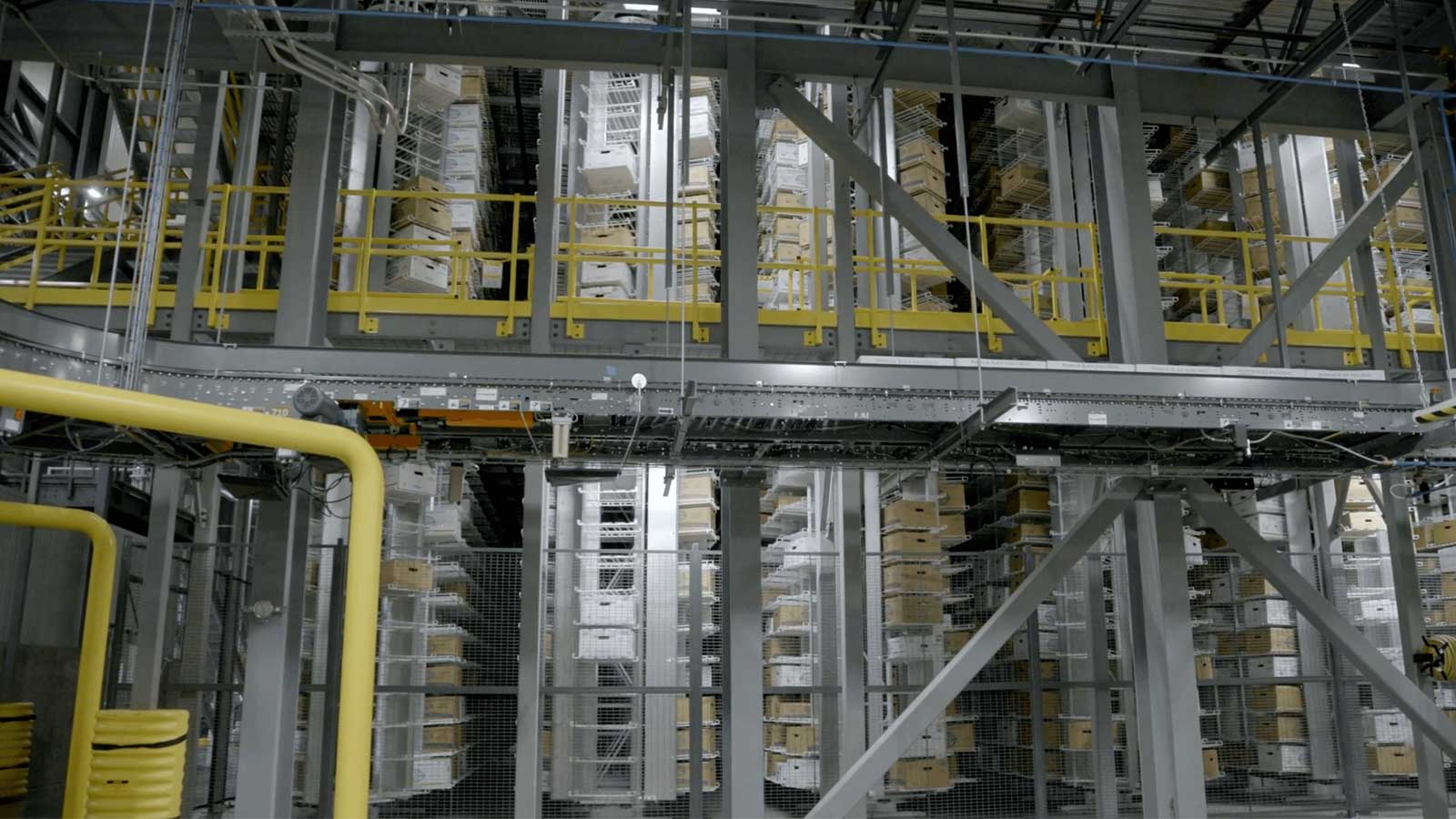
Our Material Flow Analysis examines the movement of goods within your warehouse to identify inefficiencies and streamline processes. This analysis helps in reducing bottlenecks and optimizing layout for better throughput. Key capabilities include:
- Process Mapping & Bottleneck Identification
- Inventory and Throughput Analysis
- Layout and Material Handling Optimization
- Root Cause Analysis
- Recommendations for Improved Flow and Efficiency
Warehouse Management Software (WMS) Assessments
Software plays a crucial role in modern warehouse management. Our experts assess your software solutions to optimize efficiency and integration. Capabilities include:
- Warehouse Management Systems (WMS) Configuration
- Enterprise Resource Planning (ERP) Integration
- Automation Software
- Data Analytics Tools
- Reporting Performance

Performance Specifications
Leveraging a proven work sampling methodology, our Performance Specifications service develops precise time standards for each function in your operation. This includes:
- Empirically Based Time Standards
- Work Sampling at 85% Confidence Levels
- Differentiation Between Value-Added and Non-Value-Added Time
- Root Cause and Cost Impact Analysis
- Insight into Process Improvement and Layout Enhancements
Operational Efficiency Assessments
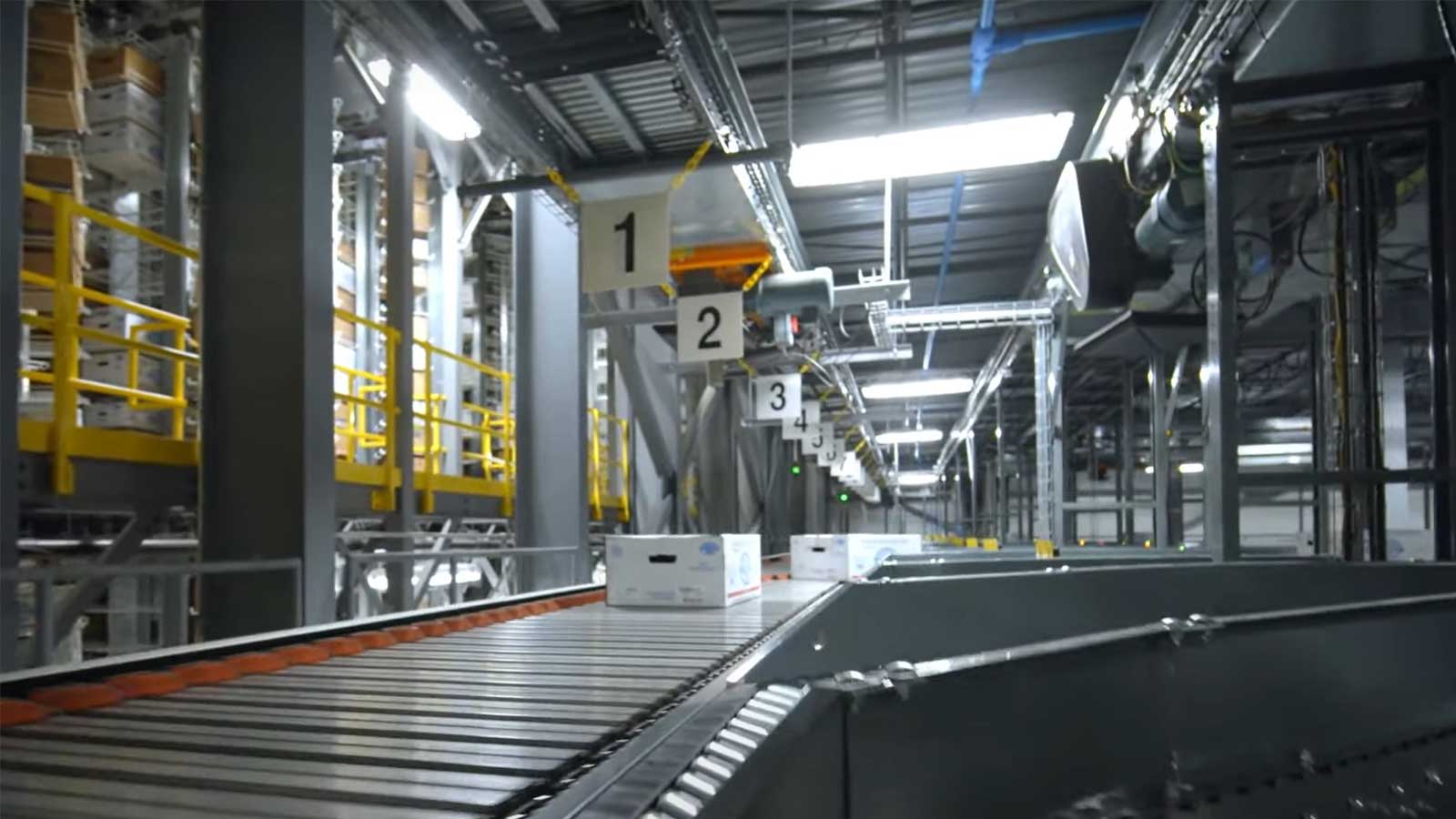
Maximizing productivity and minimizing costs are at the heart of our Operational Efficiency Assessments. We implement strategies that promote streamlined operations through:
- Performance Analysis of Automation Systems
- Lean Six Sigma Methodologies
- Development of Key Performance Metrics
- Continuous Improvement Initiatives
- 3PL Selection Consultation

Why Choose KPI Solutions for Warehouse Assessments?
- Expertise in Warehouse Optimization: With decades of experience, our team specializes in identifying inefficiencies and delivering tailored solutions that drive operational excellence.
- Customized Solutions: We don’t believe in one-size-fits-all. Our assessments are customized to meet the unique needs of your business, ensuring that every recommendation is relevant and actionable.
- Proven Results: Our results-driven approach ensures that we deliver tangible improvements, whether it’s through optimizing processes, upgrading technology, or enhancing warehouse layouts.
- Commitment to Client Success: We are dedicated to providing ongoing support and continuous improvement, ensuring that your warehouse operations remain competitive and efficient.
Frequently Asked Questions (FAQ)
1. What is a warehouse operational assessment?
A warehouse operational assessment is a thorough, data-driven review of your facility’s processes, labor productivity, technology use, and layout. Its purpose is to identify bottlenecks and inefficiencies that raise costs and delay fulfillment, resulting in a prioritized improvement plan.
2. How does a professional audit differ from an internal review?
Professional audits offer an objective, third-party perspective, free from internal bias. Consultants use cross-industry benchmarks and advanced diagnostic tools, enabling a more rigorous evaluation against industry standards.
3. What are the key performance indicators (KPIs) evaluated during an audit?
We assess logistics KPIs such as pick accuracy, order cycle time, dock-to-stock time, inventory accuracy, and units moved per man-hour. These metrics establish your current performance baseline and quantify the potential financial impact of improvements.
4. How often should a warehouse undergo a formal operational assessment?
High-growth facilities should complete a formal assessment every 12 to 24 months. Regular audits help ensure processes remain aligned as SKU mix, labor markets, or customer requirements change.
5. How long does a typical warehouse audit take to complete?
A standard on-site assessment takes 2 to 5 days, depending on facility size and complexity. Data analysis and reporting require an additional 2 to 3 weeks, ending with a detailed presentation of findings and recommendations.
6. Can a warehouse audit help reduce labor turnover?
Yes. By identifying ergonomic issues, inefficient pick paths, and process frustrations, an audit can create a more efficient and less stressful work environment. Enhancing workflow and tools improves morale and reduces turnover, especially in a competitive labor market.
7. What role does safety play in an operational assessment?
Safety is central to every audit. We review aisle clearances, racking integrity, forklift traffic, and human-machine interfaces, particularly in automated areas. Early identification of risks helps prevent OSHA violations, injuries, and downtime.