seamless-icon

Effective, efficient, and system-agnostic solutions for your unique needs.
More options and benefits icon

End-to-end solutions, from consulting to LifeTime Services.​

seamless-icon3

Cohesive collaboration from day one.​

Addressing Modern Delivery Challenges to

Meet Consumer & Market Expectations

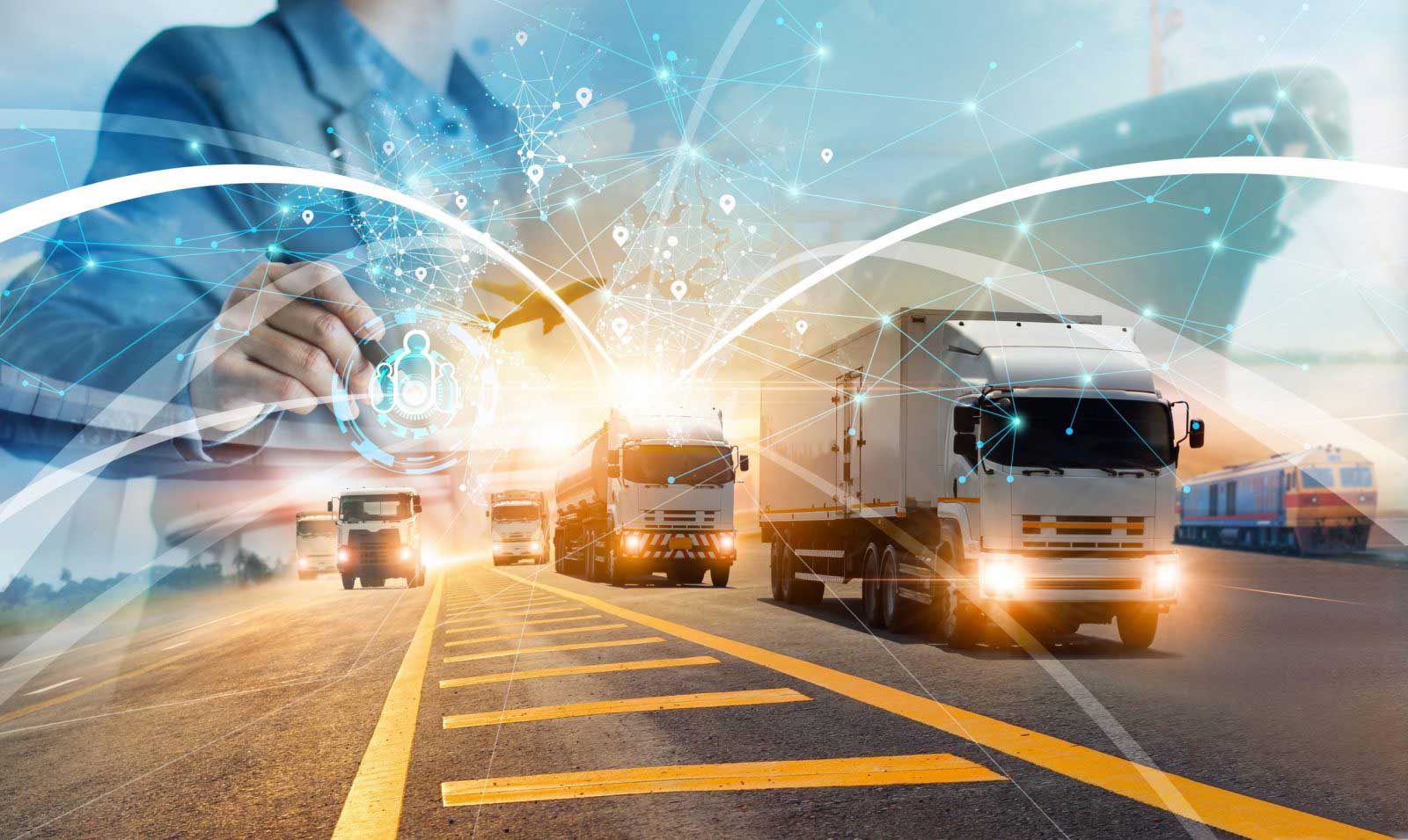
Last-Mile Delivery is essential in e-commerce and retail, ensuring efficient and timely delivery of goods. As the logistics landscape evolves, businesses must balance with optimizing last-mile delivery and maintaining supply chain efficiency. Companies are increasingly seeking innovative solutions and advanced technologies to stay competitive in this dynamic environment.

We specialize in supply chain optimization and efficient last-mile delivery strategies, ensuring our solutions are marked by efficiency and cost-effectiveness.

  • 3PL Selection Independent Analysis Minimize miles driven, number of last-mile delivery vehicles utilized, and overall cost.
  • s-icon2 Improve last-mile delivery service with better route planning considering constraints and client specifications such as delivery time windows.
  • s-icon1 Maximize client satisfaction with more on-time deliveries and minimal turnaround time to process orders.
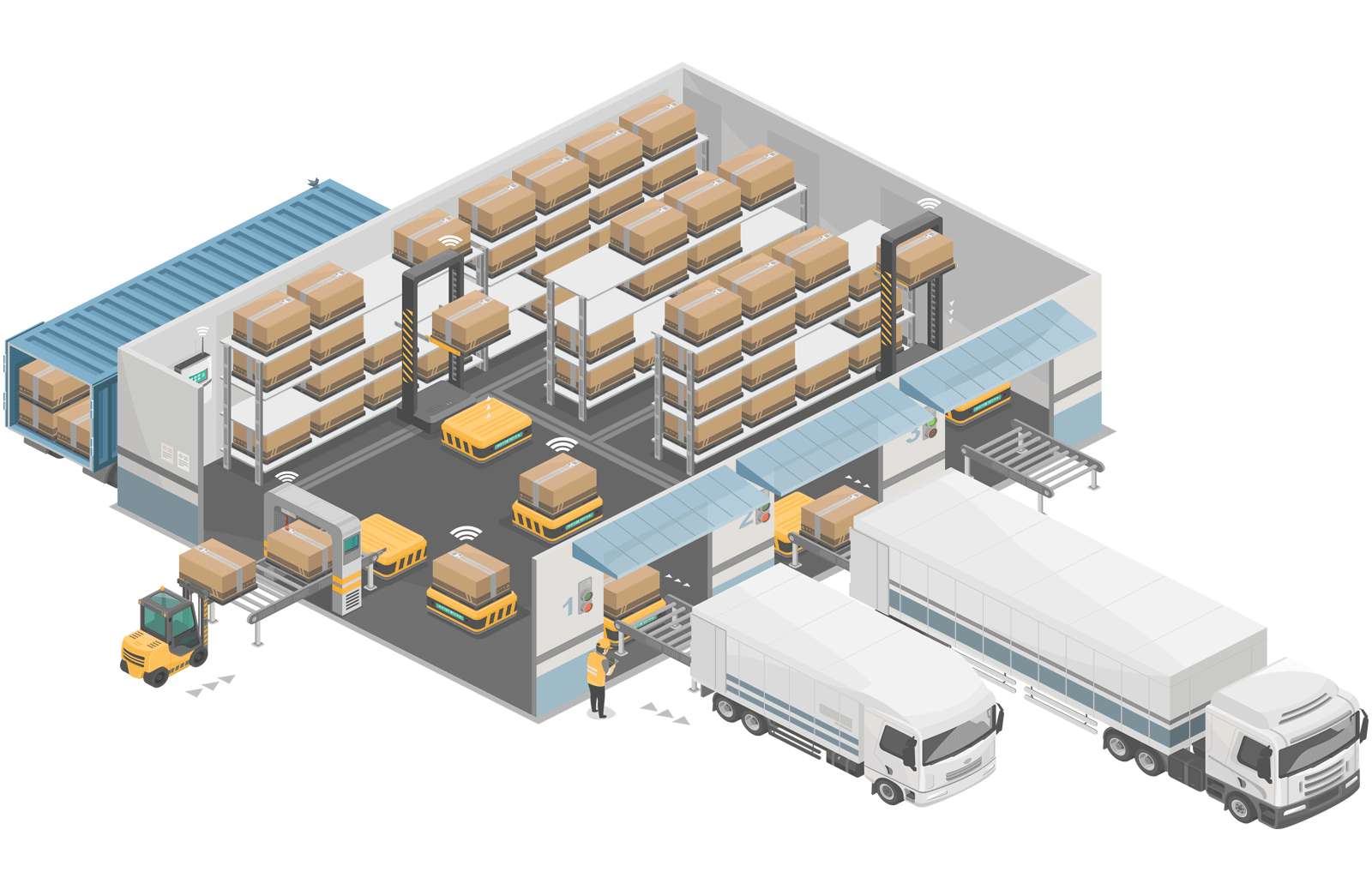
3PL Evaluation, Selection and Strategy

Challenges and Strategies in Last Mile Delivery

Identifying and addressing the challenges of last-mile delivery is crucial for many retail and e-commerce businesses. Understanding these challenges and implementing effective strategies can significantly enhance operational efficiency and customer satisfaction.


  • Enhancing Supply Chain Efficiency: Streamlining operations to improve overall logistics performance.
  • Balancing Fast Delivery with Cost-Efficiency: Ensuring rapid delivery services while managing logistics expenses effectively.
  • Adopting Cutting-Edge Strategies: Utilizing the latest technologies and methods in logistics planning and execution.
  • Commitment to Sustainability: Focusing on eco-friendly practices to ensure a greener and more sustainable delivery process.

Experienced & Knowledgeable Last-Mile Delivery Consulting

Data-Driven Approach to Building Robust and Scalable Operations
KPI Solutions Design Consulting

Last-Mile Logistics
& Delivery Strategy Benefits

Enhance customer satisfaction and reduce distribution costs with tailored last-mile solutions.

Cost
Reduction

Minimize miles driven and
reduce last-mile expenses.

Optimized
Route Planning

Improve delivery efficiency
with precise route planning.

Customer
Satisfaction

Enhance customer experience
with faster, on-time deliveries.

Scalable
Operations

Build robust, scalable
delivery operations.

Data-Driven
Decision Making

Leverage data for smarter
and strategic delivery choices.

Competitive
Edge

Gain an edge with innovative
and efficient last-mile solutions.

Last Mile Delivery Solutions & Scenarios

Group

Optimal number of last mile delivery routes

Group(2)

Number of last mile delivery days per week

Group(5)

Quantity/type of vehicles (capability and capacity)

Group(3)

Driver classification

Group(1)

Route balancing (time vs. weight)

Group(4)

Frequency by client

Group(5)

Drop size comparison

Optimizing Delivery in E-commerce and Retail

A robust last-mile delivery strategy is crucial in retail and e-commerce, significantly impacting customer satisfaction and loyalty.

Efficient last-mile processes:

  • Ensure faster deliveries and cost reduction
  • Help meet rising consumer expectations for quick and accurate service.

By integrating innovative solutions, businesses not only enhance customer experience but also gain a competitive edge, vital for growth in the digital marketplace.
Last-Mile-Delivery-Consulting-Strategy-1

Frequently Asked Questions (FAQ)

  1. Why is last-mile delivery the most expensive part of the supply chain?
    Last-mile delivery accounts for up to 53% of total shipping costs due to inefficiencies like frequent stops, traffic congestion, and “failed delivery” attempts. Optimizing this stage requires a strategy that balances route density with delivery speed to minimize the cost-per-package.
  2. How can I reduce my last-mile delivery costs without hurting customer service?
    You can reduce costs by improving route density—ensuring more packages are delivered in a smaller geographic area—and implementing automated routing software. Strategic planning also involves selecting the right “mix” of delivery partners, from national carriers to local “gig economy” couriers, based on the specific delivery zone.
  3. What is a micro-fulfillment center (MFC) and how does it help with last-mile?
    A micro-fulfillment center is a small, highly automated warehouse located in a densely populated urban area, closer to the end customer. By positioning inventory in an MFC, companies can drastically reduce travel distance and time, enabling cost-effective same-day or next-day delivery.
  4. How does route optimization software improve delivery performance?
    Route optimization software uses real-time data to calculate the most efficient path for drivers, accounting for traffic, weather, and delivery windows. This reduces fuel consumption, decreases idle time, and ensures that drivers meet their promised delivery times, which directly impacts customer satisfaction.
  5. Should I own my delivery fleet or outsource to a third party?
    Owning a fleet offers maximum brand control and service quality but requires high capital investment; outsourcing offers scalability and lower overhead. Most modern strategies utilize a “hybrid” model, using a core internal fleet for high-density areas and 3PLs or couriers for overflow and rural regions.
  6. What role does real-time visibility play in last-mile logistics?
    Real-time visibility allows both the business and the customer to track a package’s exact location, reducing “where is my order” (WISMO) inquiries. For the operation, it provides data to identify bottlenecks in the field, allowing managers to adjust routes or staffing levels on the fly.
  7. How do I handle the “failed delivery” problem in urban areas?
    Failed deliveries are best managed through customer communication and flexible delivery options, such as locker pickups or designated “click-and-collect” locations. Providing customers with precise delivery windows and “driver is 10 minutes away” notifications significantly increases the first-time delivery success rate.
  8. How can sustainability be integrated into a last-mile strategy?
    Sustainability is integrated by adopting electric vehicles (EVs), using cargo bikes in congested city centers, and optimizing routes to reduce total miles driven. Beyond the environmental benefit, these strategies often lower operational costs by reducing fuel consumption and avoiding “congestion charges” in major cities.
  9. What is “reverse logistics” in the context of last-mile delivery?
    Reverse logistics refers to the process of managing product returns from the customer back to the warehouse. A strong last-mile strategy treats the return trip as an opportunity to pick up returns while making new deliveries, maximizing the efficiency of every vehicle on the road.
  10. How do customer expectations for “fast and free” shipping impact last-mile planning?
    These expectations force companies to move inventory closer to the customer and automate the packing process to reduce “click-to-door” time. To remain profitable while offering free shipping, businesses must use advanced data analytics to find the most cost-efficient route and carrier for every individual order.

Refine or Develop Your Last Mile Delivery Strategy

Streamline costs with multi-stop, direct-to-store deliveries while enhancing customer service.

Break free from outdated planning constraints to avoid locking in unnecessary costs.

Discover Our Services

At KPI Solutions, we provide data-driven analysis and unbiased solutions that drive operational excellence and build resilience.