Real-World Impact: How IT Teams Leverage Warehouse Execution Systems to Drive Fulfillment Performance
In supply chain environments where fulfillment speed and accuracy are critical, IT professionals are increasingly being asked to support more than just infrastructure. They are expected to enable automation, ensure system reliability, and provide the visibility needed to make fast, informed decisions. As fulfillment operations grow more complex, many IT teams are turning to warehouse execution systems (WES) to help bridge the gap between planning and execution.
A warehouse execution system is designed to coordinate the flow of work between upstream systems like WMS and ERP and the downstream automation technologies that drive physical movement in the warehouse. For IT professionals, a WES offers a way to manage complexity without relying on custom code or manual interventions. It provides a scalable, secure, and integration-ready platform that supports both operational performance and long-term growth.
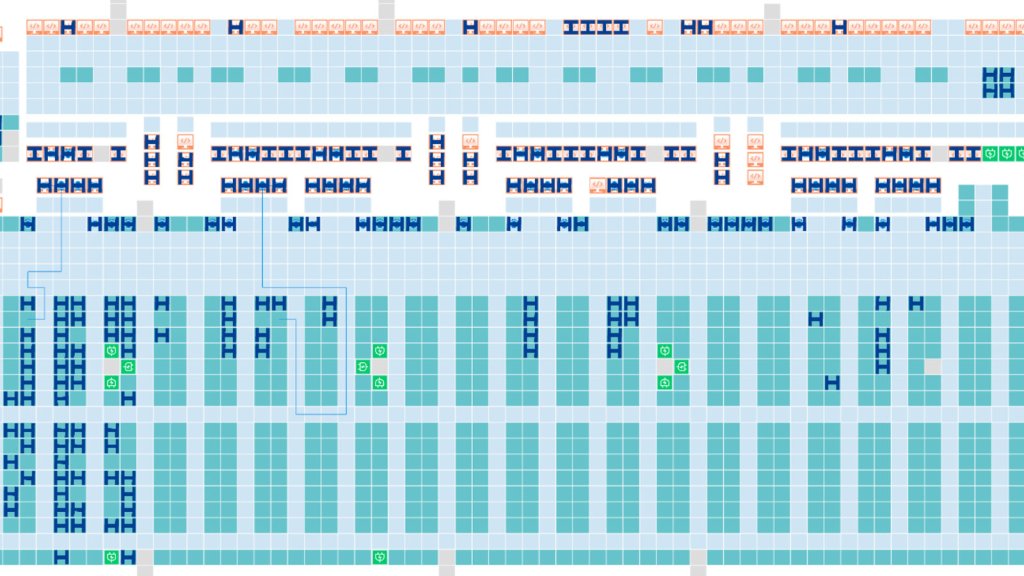
Recent deployments of KPI Solution’s Opto™ WES illustrate how IT teams are using this technology to solve real-world challenges. In one case, a global manufacturer needed to integrate a fleet of autonomous mobile robots (AMRs) with its existing WMS. The robots were responsible for transporting goods between picking stations and packing areas, but without a centralized orchestration layer, task coordination was inefficient and prone to delays.
Opto WES was deployed to serve as the execution layer between the WMS and the automation systems. It provided real-time task prioritization, monitored robot availability, and adjusted workflows based on system status. The result was a measurable improvement in throughput and a reduction in idle time. More importantly, the IT team was able to deploy and scale the solution without rewriting core systems or disrupting existing operations.
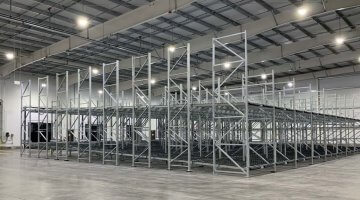
In another example, a food distribution company faced the challenge of expanding its fulfillment capacity without increasing its physical footprint. The IT team needed to support the integration of a crane-based automated storage and retrieval system while maintaining uptime and data integrity across multiple platforms. Opto WES was configured to manage inventory movements, coordinate replenishment, and ensure that the AS/RS operated in sync with the WMS.
The deployment allowed the company to double its storage capacity and improve order accuracy, all while maintaining a stable and secure system environment. For the IT team, the modular architecture of Opto WES meant faster deployment, easier maintenance, and better control over system performance.
These examples highlight a common theme. IT professionals require solutions that reduce complexity, improve visibility, and support scalability. A WES provides these capabilities by acting as a central hub for execution logic, system communication, and performance monitoring. It allows IT teams to manage fulfillment operations with greater precision and less overhead.
Security is always a critical factor. As fulfillment systems become more connected, the risk potential expands. A WES that supports secure development practices, encrypted communications, and role-based access control helps IT teams maintain compliance and protect sensitive data. Opto WES includes these features, along with support for hybrid deployments and integration with enterprise identity providers.
Visibility is another area where IT teams see value in a WES. Real-time dashboards, alerts, and analytics allow teams to monitor system health, identify bottlenecks, and respond to issues before they impact operations. This transparency supports better collaboration with operations teams and enables more proactive system management.
A WES also helps IT teams reduce long-term maintenance costs. By providing configurable modules and reusable integration patterns, it eliminates the need for one-off solutions that are difficult to scale or support. This allows IT departments to focus on strategic initiatives rather than troubleshooting fragmented systems.
KPI’s Opto WES was built to meet these IT demands. Its technology-neutral design, modular architecture, and open integration framework make it a strong fit for organizations looking to modernize their fulfillment infrastructure. For IT professionals tasked with enabling scalable, secure, and high-performing operations, KPI’s Opto provides a proven path forward.
Categories (tags):