Warehouse Execution Systems Extend the Value of WMS

For IT professionals tasked with supporting supply chain operations, the warehouse management system (WMS) is a foundational tool. It tracks inventory, manages order flow, and provides structure to warehouse processes. But as fulfillment environments become more complex, many IT teams are finding that the WMS alone cannot keep pace with the ever-changing demands of real-time execution, automation integration, and system-wide visibility.
This is where a warehouse execution system (WES) becomes essential. A WES does not replace WMS. Rather, it enhances it by managing the flow of work between systems, people, and machines. It provides the intelligence needed to coordinate execution in real time, helping IT teams deliver more responsive, scalable, and resilient fulfillment operations.
Today’s distribution centers are dynamic, integrated systems that must respond to shifting order priorities, labor availability, and equipment status throughout the day. A WMS is designed to manage inventory and order fulfillment data, but it is not built to make real-time decisions about how tasks should best be executed. The responsibility of enhancing a WMS’s capabilities often falls to IT, which can lead to custom programming, complex integrations to existing automation, and manual workarounds.
A WES helps reduce that burden. It acts as a middleware layer that connects upstream systems like WMS and ERP with downstream automation and control systems. It translates high-level plans into real-time execution logic, allowing IT teams to manage complexity without building one-off solutions for every new workflow or piece of equipment.
Integration is a key concern for IT leaders. Many fulfillment environments include a mix of legacy systems, cloud platforms, and third-party automation technologies. A WES that supports open APIs, modular architecture, and technology-neutral design makes it easier to connect these systems and maintain interoperability over time. This flexibility is especially valuable when introducing new automation or expanding into new fulfillment models.
Scalability is another priority facing supply chain professionals. As order volumes grow and fulfillment strategies evolve, IT teams need systems that can be scaled without requiring major rework. A modular WES can scale horizontally, allowing new services to be deployed quickly and independently. This architecture also supports faster updates, better fault isolation, and more efficient use of infrastructure resources.
A WES also helps IT teams reduce reliance on custom code. Instead of building and maintaining one-off solutions for each new automation system or workflow, teams can configure modules within the WES to meet evolving business needs. This reduces long-term maintenance costs and improves agility across the organization.
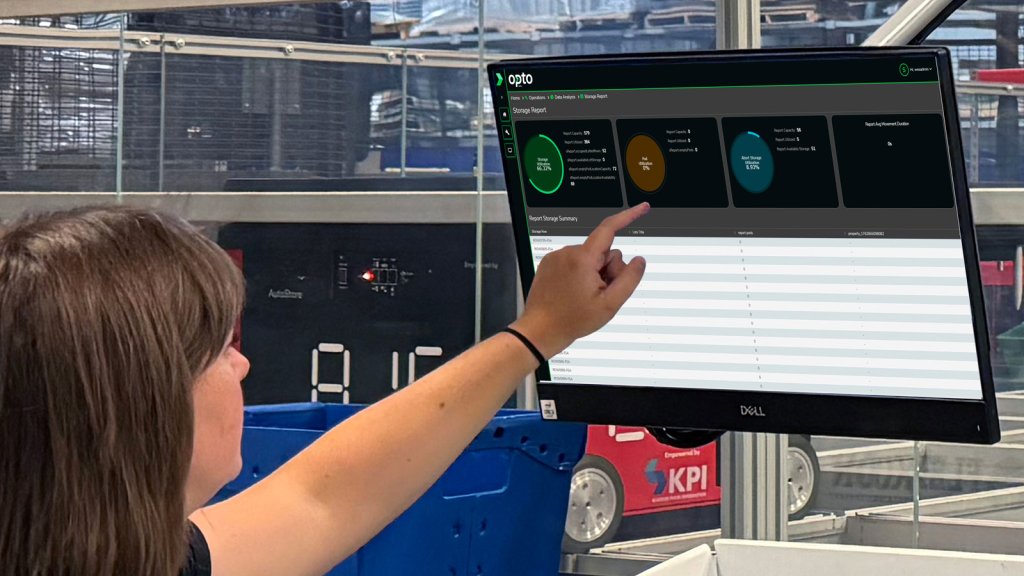
Visibility to on-floor processes is equally important. A WES provides real-time dashboards, alerts, and analytics that help IT teams monitor system performance, identify bottlenecks, and respond to issues before they impact operations. This level of transparency supports better collaboration with operations teams and enables more proactive system management.
Finally, security and access control are increasingly critical to ensure data is safe and operations are protected. A WES that supports secure development practices, encrypted communications, and role-based access control helps IT teams maintain compliance and reduce risk. Integration with identity providers and support for hybrid deployments ensures that the system fits within existing enterprise security frameworks.
As fulfillment operations continue to evolve, IT leaders are being asked to support more complexity with fewer resources. The ability to deploy systems that are flexible, secure, and scalable has become a core requirement for thriving businesses. A WES provides the tools to meet these demands while aligning with broader enterprise architecture goals.
KPI’s Opto™ WES was designed with these IT priorities in mind. It integrates seamlessly with existing WMS platforms, supports modular deployment, and provides the real-time orchestration needed to manage complex fulfillment environments. For IT professionals looking to extend the value of their current systems while preparing for future growth, KPI’s Opto offers a secure, scalable, and integration-ready solution.
Categories (tags):