Safety Mistakes That Reduce Racking Lifespan and How To Prevent Them
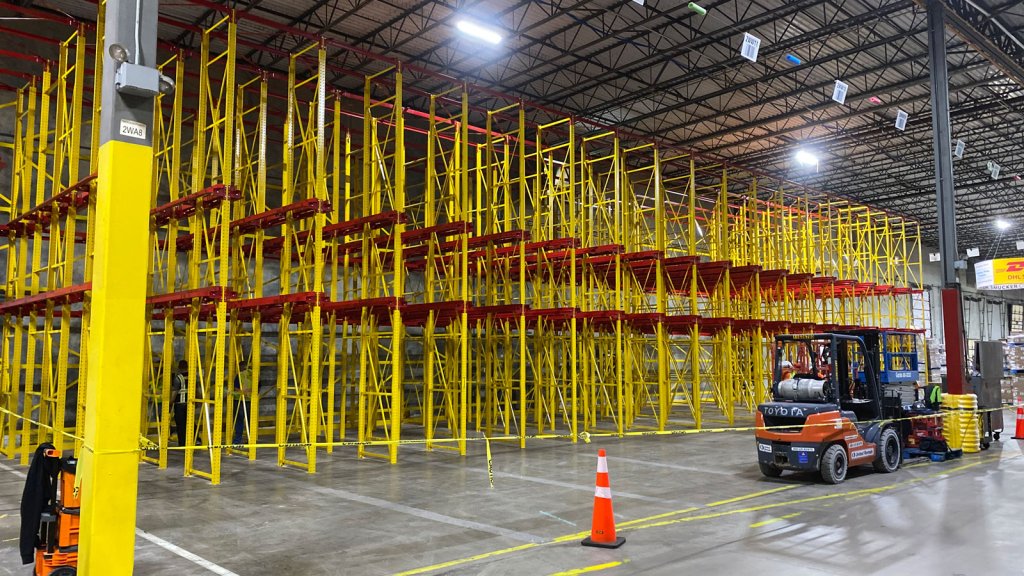
Warehouse racking is often viewed as a permanent and indestructible part of a facility’s infrastructure. However, the lifespan of a racking system is directly tied to how it is used, maintained, and protected on a daily basis. The pace of warehouse operations has increased, which often leads to an environment where safety protocols are overlooked in favor of speed. This is a costly mistake, as even minor structural damage can significantly shorten the life of a racking system and create severe safety risks for the workforce. Understanding the most common safety mistakes is the first step toward preserving the value of your capital investment. By implementing a proactive safety and maintenance culture, you can ensure that your racking remains a reliable asset for its entire intended lifecycle.
The Dangers of Overloading and Improper Weight Distribution
One of the most frequent causes of premature racking failure is the practice of overloading. Every racking system is engineered to support a specific maximum load, which is often referred to as the Uniformly Distributed Load (UDL) capacity. When this limit is exceeded, the steel beams and uprights can experience permanent deformation. This weakening of the metal is cumulative, meaning that repeated overloading will eventually lead to a structural failure, even if the rack does not collapse immediately.
Improper weight distribution is equally damaging. If heavy pallets are placed on the higher levels of a rack while lower levels are empty, the entire structure becomes top-heavy and unstable. This increases the stress on the floor anchors and the upright frames. To prevent this, it is essential to follow a bottom-to-top loading strategy and ensure that heavy items are stored on the lower levels where the structure is most stable. Clear and visible capacity signage is a mandatory requirement for any safe warehouse, ensuring that every operator knows the limits of the system they are servicing.
Neglecting Regular Inspections and Maintenance
In many facilities, racking inspections are treated as an annual “box-to-tick” exercise. However, a safe operation requires a more frequent and tiered approach to monitoring structural health. Small issues, such as a loose floor anchor or a missing safety clip, can quickly escalate into major problems if they are not identified early.
A comprehensive safety plan should include daily visual checks by the warehouse staff, weekly inspections by a supervisor, and an annual professional audit by a qualified rack engineer. During these checks, the team should look for signs of “rack rash,” which refers to the dents and scrapes caused by forklift impacts. Rust and corrosion should also be addressed immediately, especially in facilities with high humidity or temperature fluctuations. By identifying and repairing minor defects as soon as they occur, you extend the overall lifespan of the system and avoid the high cost of emergency structural repairs.
The Impact of Forklift Collisions and Improper Turning
Forklift impacts are the single greatest threat to the longevity of a racking system. The use of larger, more powerful material handling equipment in increasingly narrow aisles has made collisions more common. An impact at the base of an upright is particularly dangerous because it can compromise the load-bearing capacity of the entire frame.
These collisions are often the result of improper turning or excessive speed in the aisles. To prevent this, operations teams must invest in both operator training and physical protection. Installing heavy-duty bollards at the end of every aisle and column guards at the base of every upright provides a physical barrier that absorbs the force of an impact. Furthermore, ensuring that aisles are clear of debris and clutter allows operators to maneuver safely and reduces the likelihood of a strike. A well-protected rack is a rack that will serve the facility for decades.
Using Incompatible Parts and Unauthorized Modifications
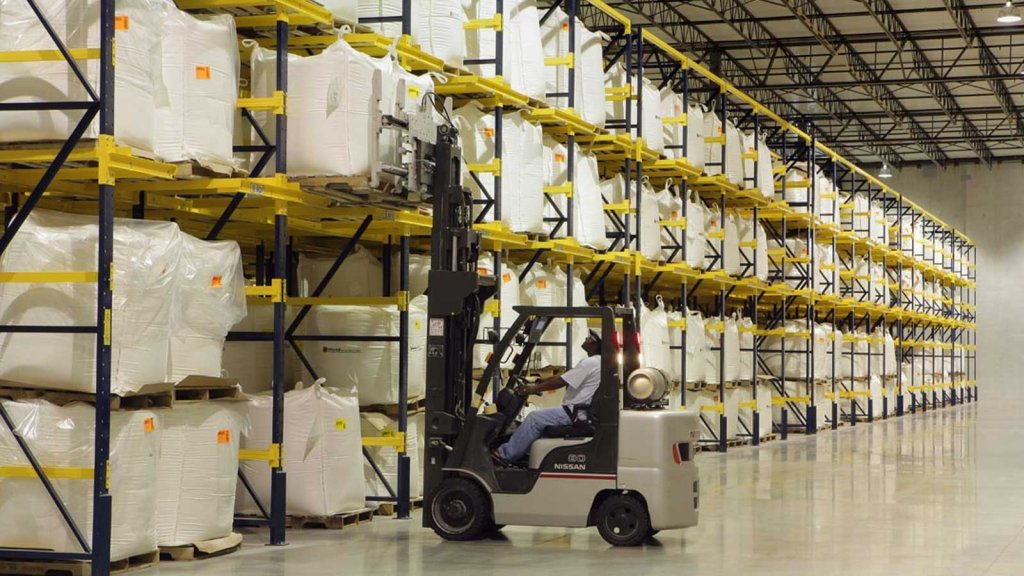
Another common mistake that reduces racking lifespan is the use of incompatible parts during repairs or reconfigurations. It is a common misconception that all racking components are interchangeable. In reality, mixing beams and uprights from different manufacturers can lead to poor fitment and compromised structural integrity. The connections between the beam and the frame are precision-engineered, and even a slight mismatch can lead to a failure under load.
Unauthorized modifications, such as changing beam heights without consulting the original engineering specifications, are also highly dangerous. The height of the first beam level and the spacing between subsequent levels determine the overall stability of the rack. When these are changed, the capacity of the system may be significantly reduced. Any modification to a racking system should be approved by a structural engineer and documented with updated load plaques. Adhering to the original design ensures that the system continues to perform as intended.
The Importance of Proper Installation and Floor Leveling
The lifespan of a racking system is often determined before the first pallet is even loaded. Improper installation is a fundamental mistake that leads to long-term structural issues. If a rack is not installed perfectly plumb and level, the weight of the inventory is not distributed evenly through the frames. This creates “out-of-plumb” stress that can cause the rack to lean or twist over time.
A critical part of the installation process is ensuring that the warehouse floor is level. Even a slight slope in the concrete can be magnified as the rack climbs higher, leading to significant alignment issues at the top levels. Using high-quality shims and ensuring that every upright is securely anchored to the floor are essential steps for a stable installation. Seismic anchoring requirements have also become more stringent in many regions, making it even more important to work with professional installers who understand local building codes.
A Preventative Mindset for Long-Term Success
Preserving the lifespan of your warehouse racking requires a preventative mindset that permeates every level of the organization. From the warehouse floor to the management office, everyone must understand the importance of respecting load limits, reporting damage, and following safety protocols. By avoiding common mistakes and investing in regular maintenance, you protect your most valuable assets and ensure a safe working environment for your team.
At Twinlode Automation, safety is at the core of everything we do. We provide more than just racking; we provide the engineering support and protective accessories needed to keep your facility running safely for the long term. If you have concerns about the health of your current system or are planning a new installation, our experts are ready to assist you with comprehensive audits and high-quality equipment. Contact Twinlode Automation today to secure the future of your warehouse infrastructure.
Categories (tags):