The Hidden Costs of Inefficient Racking Systems and How to Address Them
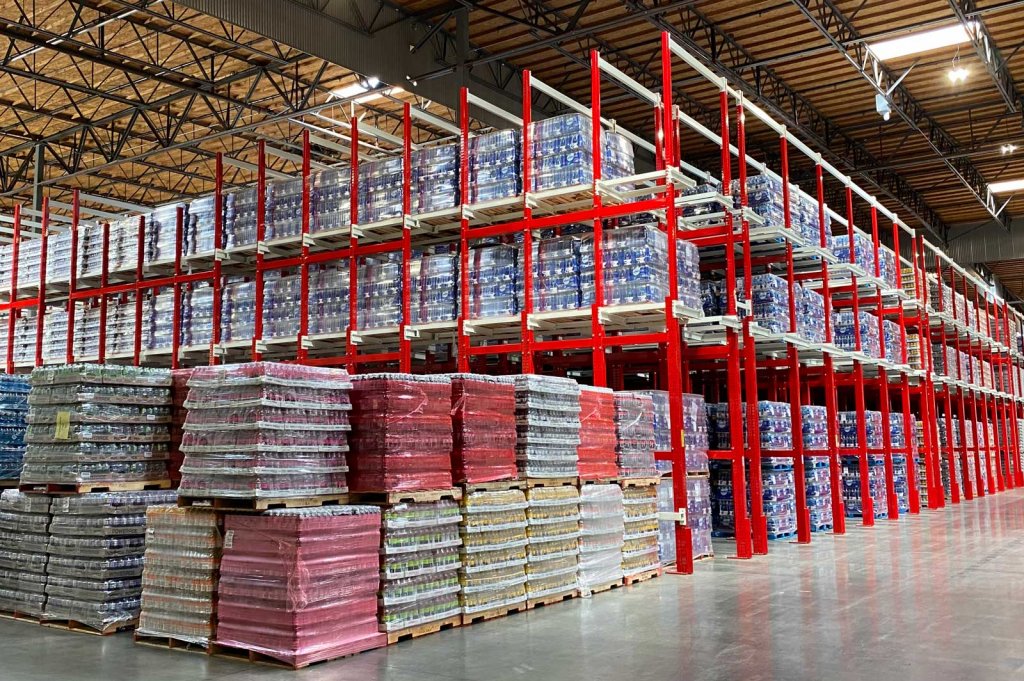
Operational inefficiency in a modern warehouse environment rarely announces itself with a single and massive failure. Instead, it manifests as a series of subtle and persistent hidden costs that slowly erode profit margins over time. As the industry moves, the cost of industrial real estate and the rising price of labor make these inefficiencies more damaging than in previous years. An inefficient racking system is often at the heart of these financial leaks, acting as a quiet drain on resources. Identifying these costs requires a deep dive into the daily mechanics of the facility. You must look closely at labor travel time, density challenges, and the specific characteristics of your SKU profile to understand where your budget is being misspent. By addressing these structural issues with strategic storage solutions, you can transform your racking from a static expense into a high-performing asset that supports long-term growth.
The Heavy Toll of Labor and Travel Time
Labor remains the largest variable expense for nearly every distribution center. When a racking system is poorly designed, it forces operators to travel much longer distances than the job requires. In a selective racking system with an excessive number of aisles, forklifts spend a disproportionate amount of time in transit between the loading dock and the storage bay. This movement is often unproductive because the driver is traveling with empty forks.
Every extra foot of travel adds up over thousands of picks and replenishments performed each day. If your facility is experiencing high labor costs despite meeting your throughput targets, the culprit is likely a layout that encourages sprawl. Inefficient slotting combined with a low-density racking system creates a situation where workers must cover vast distances to fulfill a single order. Moving toward a high-density solution allows you to condense the picking area significantly. This reduction in travel distance enables your existing team to move more inventory within the same shift, which directly lowers your overall cost per move.
The Price of Underutilized Cubic Space
Warehouse managers often focus on floor square footage, yet the true value of a facility lies in its total cubic capacity. An inefficient racking system often leaves several feet of unused air space between the top of the pallets and the ceiling joists. This is an expensive mistake because the organization continues to pay for the lighting, heating, and taxes on that empty volume regardless of whether it contains inventory.
Density challenges also manifest as honeycombing. This occurs when a high-density system is used for a SKU profile that does not match the racking logic, leaving empty spots in the rack that cannot be easily filled. If your current system has a high vacancy rate because you cannot access the back positions without moving multiple pallets, you are losing money on every empty position. Addressing this requires a strategic realignment of your racking to match your specific SKU count. Utilizing professional engineering insights to match the rack depth to your actual product volume ensures that every cubic inch of your facility is generating revenue.
SKU Velocity and the Cost of Product Touches
Not all inventory moves at the same pace, and a common hidden cost arises when a facility uses a uniform storage approach. If you store high-turnover items in the same type of rack as slow-moving products, you are creating unnecessary bottlenecks. High volume SKUs belong in systems designed for rapid replenishment and high density. Conversely, low-volume and high-variety items may require the total accessibility provided by selective racking.
When these profiles are mismatched, the number of product touches increases. Every time a worker must move one pallet to reach another, the cost of handling that product increases significantly. This extra handling also raises the risk of product damage and operator fatigue. Addressing this inefficiency involves a thorough data analysis of your inventory movement. By segmenting your racking by SKU velocity, you can ensure that your most active products are stored in the most accessible and efficient manner possible. This alignment reduces the time spent on replenishment and picking, which stabilizes your operational budget.
Maintenance Costs and Asset Lifespan
The physical cost of inefficiency is another significant factor that often goes overlooked. In cramped or poorly designed layouts, the frequency of rack strikes typically increases. Narrow aisles that are not optimized for the specific dimensions of the material handling equipment lead to constant damage to uprights and frames. These incidents are not just safety hazards; they represent a significant drain on capital.
The cost of replacing a damaged rack component, combined with the downtime associated with isolating those storage bays, adds up quickly. An efficient system includes integrated protective hardware and provides operators with sufficient clearance to move with confidence. By investing in a professionally engineered storage design, you reduce the long-term maintenance burden and extend the useful life of your racking assets. Furthermore, a well-organized facility promotes better operator behavior and reduces the likelihood of accidents that lead to expensive repairs or insurance claims.
Energy Efficiency in Specialized Environments
For facilities operating in the food and beverage or pharmaceutical sectors, energy costs represent a massive hidden expense. Inefficient racking in a temperature-controlled environment means you are cooling a large volume of air that contains very little product. The more pallets you can fit into a refrigerated or frozen zone, the lower your energy cost per pallet becomes.
High-density racking systems allow you to maximize the thermal mass within a cold room. A densely packed room maintains its temperature more efficiently than a room with large aisles and sparse pallet placement. By upgrading to a system that utilizes the full height and depth of your refrigerated space, you can achieve meaningful savings on your monthly utility bills. This is a critical consideration as energy regulations become more stringent and corporate sustainability targets become a standard part of operational reporting.
Operational Agility and the Cost of Rigidity
An inefficient racking system limits the ability of an organization to respond to market shifts. If your storage layout is rigid and difficult to reconfigure, you will struggle to adapt when your SKU mix changes or when you experience seasonal surges in volume. This lack of agility is a hidden cost that manifests as missed opportunities. You may find yourself unable to take on new business because your warehouse cannot accommodate the specific storage requirements of a new client.
Addressing this involves designing for modularity and scalability. Modern racking systems can be designed with future growth in mind, allowing for sections to be reconfigured or expanded without shutting down the entire facility. This forward-looking approach ensures that your initial investment continues to provide value even as your business model evolves. A flexible storage system is a competitive advantage that allows you to scale your capacity based on real-time market demand rather than being held back by a static layout.
Determining the Path to a More Efficient Facility
To address these hidden costs, you must begin with a comprehensive audit of your current operations. Start by tracking the labor hours required per pallet move and your energy consumption relative to your storage density. Use these metrics to identify the specific areas where your current racking system is falling short of its potential. Once you have a clear picture of the inefficiencies, you can begin the process of redesigning your layout to better serve your goals.
Partnering with an engineering expert provides the insights needed to eliminate waste across your facility. Whether the solution involves the implementation of double deep racking, the integration of automation-ready structures, or a more intelligent slotting strategy, the objective remains the same. The goal is to create a seamless flow of goods that minimizes unnecessary handling and maximizes available space. By investing in a high-efficiency racking system today, you are protecting your margins and ensuring that your warehouse can perform optimally.
Categories (tags):