Double-Deep Racking Is a Top Choice for High-Volume Warehouses
The industrial landscape is defined by an uncompromising need for speed and a limited availability of prime real estate. For high-volume warehouses, the challenge lies in balancing the need for massive storage capacity with the requirement for rapid pallet movement. While many emerging technologies promise to revolutionize the warehouse, traditional high-density solutions like double-deep racking remain a foundational choice for leading logistics operations. This system persists as a top contender because it offers a pragmatic middle ground between the total accessibility of selective racking and the intense density of deep-lane systems. By understanding the practical advantages of this configuration, warehouse leaders can make informed decisions that support high-throughput goals while maintaining a lean and efficient footprint.
Achieving a Strategic Balance of Density and Access
In a high-volume environment, the primary objective is to store as much inventory as possible without creating bottlenecks that slow down the shipping and receiving process. Selective racking is often praised for providing immediate access to every pallet, yet it requires a high number of aisles that consume valuable floor space. Conversely, systems like drive-in racking or pallet flow offer extreme density but can sometimes lead to slower retrieval times for specific pallets.
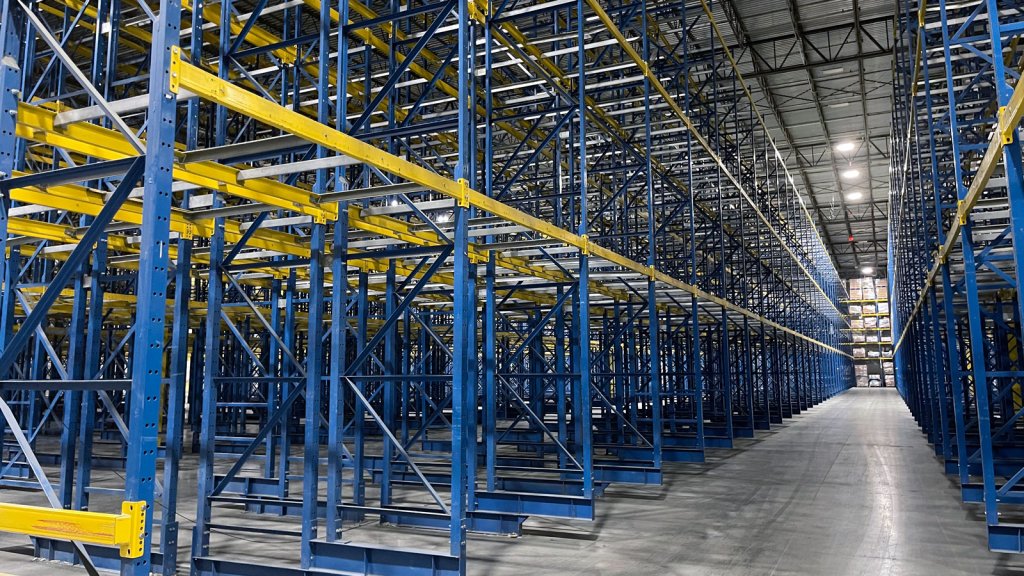
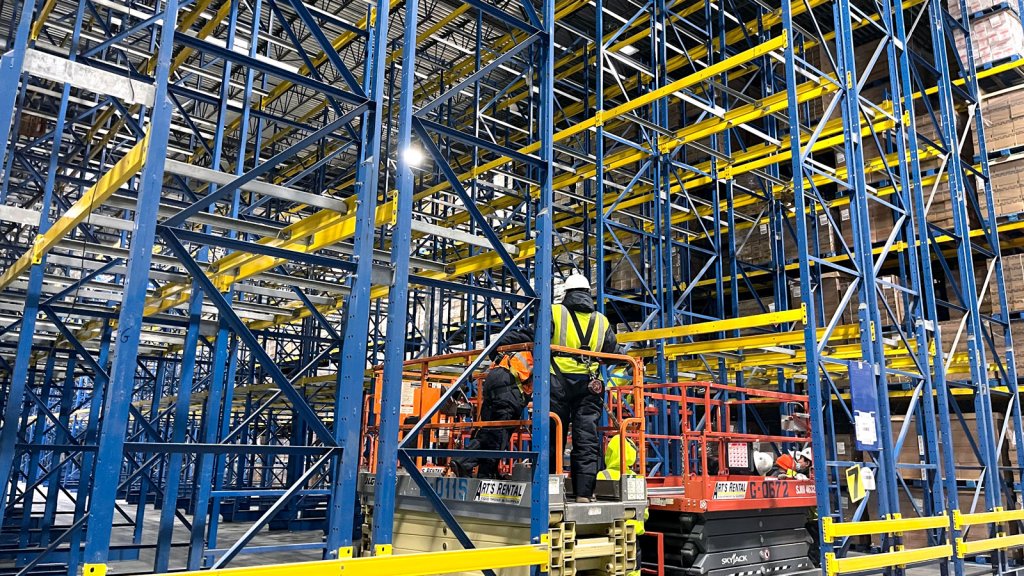
Double-deep racking addresses this tension by storing pallets two rows deep. This configuration reduces the number of aisles required by half compared to selective layouts, effectively reclaiming floor space for more storage positions. Because the system only requires an operator to reach through one pallet to access a second, the retrieval process remains relatively fast. For warehouses that manage a high volume of consistent SKUs, this level of accessibility is often ideal. It provides the density needed to house large inventory buffers while maintaining the operational pace required for high-frequency distribution.
Streamlining Labor and Reducing Travel Distances
One of the most persistent costs in any warehouse is the time spent by operators traveling between storage locations and the loading dock. In a sprawling facility with dozens of aisles, the cumulative travel time for a single shift can represent a significant portion of the total labor budget. High-volume warehouses must find ways to condense their storage area to minimize this unproductive movement.
A double-deep configuration inherently reduces travel distance by concentrating inventory in a smaller footprint. When pallets are stored more densely, the total distance an operator must drive to complete a replenishment or a pick is shortened. This efficiency allows the workforce to accomplish more tasks within the same amount of time. Furthermore, the reduction in the number of aisles simplifies the traffic flow within the warehouse. With fewer intersections and clear paths for movement, the risk of congestion is lowered, leading to a smoother and more predictable operation.
Simplified Equipment Integration and Maintenance
While some high-density systems require complex automated components or specialized shuttles, double deep racking relies on straightforward mechanical design and standard material handling equipment. To service a double-deep rack, a facility only needs reach trucks equipped with telescopic forks or a pantograph extension. This simplicity is a major advantage for high-volume operations that cannot afford the downtime associated with more complex technological failures.
The maintenance requirements for a double-deep system are essentially identical to those of a standard selective rack. There are no moving parts within the rack structure itself, which means the risk of mechanical breakdown is non-existent. For a facility that operates twenty-four hours a day, the reliability of a purely structural solution is invaluable. The ability to perform routine inspections and repairs without specialized technicians ensures that the warehouse remains at peak capacity without unexpected interruptions.
Adaptability to Diverse SKU Profiles
High-volume warehouses often deal with a mix of fast-moving and medium-moving products. A common misconception is that high-density storage is only suitable for the most active items. However, double-deep racking provides sufficient flexibility to accommodate a variety of SKU profiles. By dedicating specific sections of the warehouse to double-deep storage for high-volume items and using other configurations for slower-moving items, managers can create a tiered storage strategy.
This flexibility is particularly useful when dealing with seasonal surges. During peak periods, a facility can use the increased density of the double-deep system to buffer large quantities of high-demand goods. When the surge subsides, the same racks can be used for regular stock. The ability to handle varying inventory volumes without redesigning the entire layout makes double-deep racking a resilient choice for fluctuating markets.
Long-Term Value and Structural Resilience
The longevity of a storage system is a critical factor in the total cost of ownership. High-volume warehouses place a great deal of stress on their infrastructure due to the constant movement of heavy loads and the high frequency of forklift activity. Double-deep racking systems are engineered for durability, featuring heavy-duty steel components designed to withstand the rigors of an active industrial environment.
Because the system is modular, it can be expanded or reconfigured as the business grows. This modularity ensures that the initial investment continues to provide value even if the operational requirements of the warehouse change over time. When combined with integrated safety features such as heavy-duty upright protectors and load guides, a double-deep system represents a robust, long-lasting solution for any high-volume distribution center. The focus on structural integrity and operational simplicity is what allows this racking style to remain a preferred choice for industry leaders year after year.
Driving Growth through Efficient Storage
Selecting the right racking system is a foundational decision that influences every other aspect of warehouse performance. For facilities that prioritize both density and throughput, double deep racking remains one of the most effective solutions available. It provides a clear path to maximizing existing space while supporting the high-speed requirements of modern supply chains. By focusing on the practical benefits of labor reduction, equipment compatibility, and structural reliability, organizations can build a storage infrastructure that is prepared for the challenges of today and the growth of tomorrow.
If you are looking to optimize your high-volume warehouse for better performance, Twinlode Automation is here to help. Our team of experts specializes in designing and implementing high-density storage solutions that are tailored to your unique operational needs. Contact us today to learn how we can assist you in reaching your storage goals.
Categories (tags):