When Does a Warehouse Need Automation?
Warehouses are under more pressure than ever. Customer expectations continue to rise, labor remains difficult to find and retain, and distribution networks are being asked to handle greater complexity with the same amount of space and resources.
For many organizations, automation eventually becomes part of the conversation. The challenge is determining when the timing is right.
A common misconception is that warehouse automation is only for large enterprises with massive distribution centers. In reality, automation is not driven by facility size alone. It is driven by operational challenges, growth objectives, and the ability to improve performance through technology.
So how do you know when a warehouse is ready for automation?
The First Question: Is Your Operation Hitting a Ceiling?
Most automation projects begin when an operation reaches a point where existing processes can no longer support business goals.
This often shows up in ways that are difficult to ignore:
- Order volumes continue increasing while productivity remains flat.
- Recruiting and retaining warehouse labor becomes increasingly difficult.
- Overtime costs continue rising.
- Available storage capacity is running out.
- Service levels begin to suffer during peak periods.
- Errors become more frequent despite additional training and supervision.
These symptoms indicate that the operation may be reaching the limits of what manual processes can achieve.
Before investing in new equipment, however, it is important to determine whether the root cause is truly capacity-related or if process improvements alone can solve the problem.
Labor Challenges Are Driving More Automation Decisions
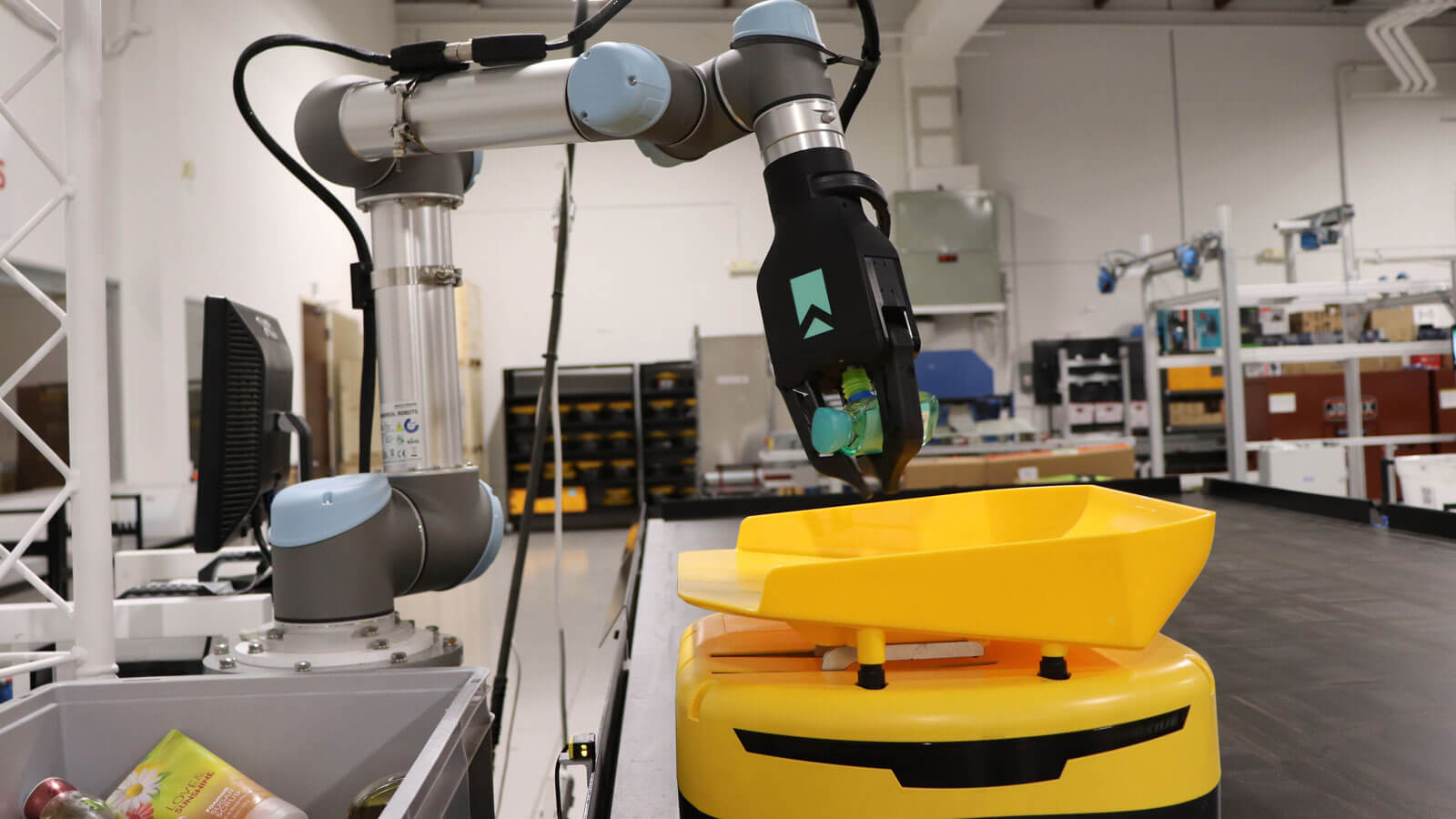
For many companies, labor has become the primary catalyst for automation. Warehouse leaders are facing ongoing challenges related to hiring, retention, training, and workforce flexibility. Even facilities with strong management teams often struggle to maintain staffing levels during peak seasons. When labor shortages consistently impact throughput, service levels, or operating costs, automation can help reduce dependence on manual tasks while allowing employees to focus on more valuable work.
This does not mean replacing people. In most cases, automation is used to help existing teams work more efficiently while creating opportunities to scale without adding proportional labor costs.
Space Constraints Can Be Just as Important as Labor
Not every automation project is driven by workforce concerns.
Many organizations begin exploring automation when they realize they are running out of warehouse space. As inventory volumes grow and SKU counts increase, facilities often reach the point where traditional storage methods can no longer support efficient operations. Aisles become congested, travel distances increase, and productivity begins to decline.
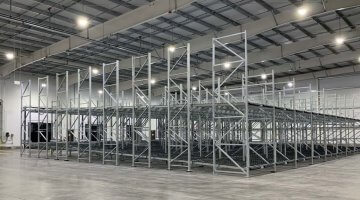
In these situations, technologies such as automated storage and retrieval systems (AS/RS), goods-to-person solutions, and high-density storage strategies can significantly increase storage capacity without requiring a facility expansion. For businesses facing rising real estate costs or limited expansion opportunities, improving space utilization can deliver significant long-term value.
Growth Is Outpacing Existing Processes
A warehouse that operates efficiently today may not be prepared for tomorrow’s demand. Many organizations begin evaluating automation because they anticipate future growth.
Questions that often trigger an automation discussion include:
- Can our current operation support projected sales growth?
- What happens if order volumes double within the next three years?
- How will changing customer expectations impact fulfillment requirements?
- Can our facility support additional product lines or inventory expansion?
Automation is often most successful when implemented proactively rather than reactively. Waiting until capacity problems become critical can limit options and create implementation challenges. Organizations that plan ahead are typically better positioned to scale efficiently while minimizing operational disruption.
Accuracy and Service Levels Matter More Than Ever
For companies competing on customer experience, warehouse performance extends beyond throughput. Order accuracy, shipping speed, inventory visibility, and consistency all play critical roles in customer satisfaction. If recurring errors, shipping delays, or inventory discrepancies are impacting business performance, automation may offer an opportunity to improve process consistency. Automated workflows can reduce manual touches, improve inventory control, and create greater process visibility throughout the facility.
The result is not only improved efficiency but often a better customer experience as well.
Not Every Warehouse Needs Automation
One of the biggest mistakes organizations make is assuming automation is always the answer. A warehouse may not be an ideal automation candidate if:
- Current processes are already meeting performance goals.
- Growth expectations remain relatively stable.
- Existing labor availability is sufficient.
- Core operational challenges have not been clearly identified.
- Process inefficiencies have not yet been addressed.
Technology should solve a specific business problem. Implementing automation without a clear objective can introduce unnecessary complexity and increase costs without delivering meaningful results. The best automation projects begin with a thorough understanding of the operation itself.
The Right Time Is Different for Every Operation
There is no universal order volume, labor count, or facility size that automatically signals the need for automation. Every distribution center operates under unique constraints, growth plans, customer expectations, and labor realities. The most successful automation strategies begin with data. By evaluating order profiles, inventory characteristics, workflow patterns, labor utilization, and growth projections, organizations can determine whether automation will create measurable value and identify where investment will have the greatest impact. This consulting and evaluation approach aligns with KPI’s technology-neutral methodology of understanding the operation first and recommending solutions second.
Conclusion
Warehouse automation is not about keeping up with industry trends. It is about solving operational challenges and preparing for future growth.
If labor shortages, space constraints, throughput limitations, or service-level concerns are holding your operation back, it may be time to explore automation options. The key is understanding where automation can create the greatest impact and building a strategy that supports your long-term business objectives.
At KPI Solutions, we begin every automation journey with operational data, process analysis, and a deep understanding of your facility’s unique requirements. Only then do we evaluate technologies that align with your goals and deliver measurable results.
Categories (tags):