How Rising Transportation Costs Impact Warehousing and Distribution Strategy
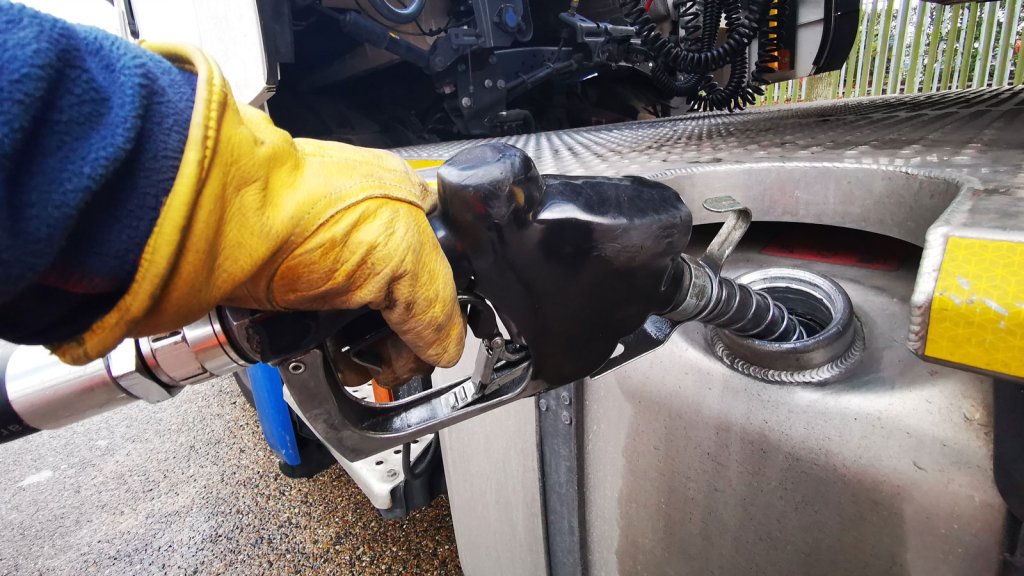
Recent diesel price volatility has increased transportation cost uncertainty across supply chains, creating new challenges for warehouse and distribution leaders. The impact can vary widely by region and distribution network, so it’s important to understand where fuel-related costs enter the operation and which decisions remain within the company’s control.
Fuel costs are not only a carrier concern. They affect the companies moving products into, through, and out of distribution centers. Many carrier agreements use fuel surcharge schedules that adjust with published diesel benchmarks. As the benchmark rises, freight invoices can increase even when the underlying linehaul rate stays the same.
For warehouse and distribution leaders, the challenge is not predicting the next fuel move. It is understanding where transportation volatility enters the operation and identifying the decisions that remain within the company’s control.
Where Fuel Costs Affect the Warehouse
The most visible impact is higher inbound and outbound freight expense. A facility may receive the same number of loads and ship the same number of orders, yet spend more to move them. That added cost pressures margins, especially for businesses with long delivery distances, frequent replenishment, partial loads, or service commitments that limit consolidation options.
The operational effects can be less obvious. When fuel costs rise quickly, carriers may become more selective about the lanes they serve. Some may avoid routes that do not generate enough revenue to cover the trip. Others may adjust surcharge schedules or quote windows more frequently. Warehouses may then face less predictable pickup times, tighter capacity, late arrivals, and more last-minute dock changes.
Those changes can create a chain reaction. A late inbound shipment may leave labor waiting, compress the receiving schedule, and push putaway into a later shift. A missed outbound appointment may require staging space for orders that were expected to leave the building. When several disruptions occur at once, congestion can spread from the yard to the dock and into active storage or picking areas.
Why Transportation Volatility Raises the Value of Warehouse Efficiency
Transportation costs are difficult for an individual shipper to control. That makes the areas inside the facility more important. Reducing unnecessary touches, improving inventory accuracy, shortening travel paths, and balancing labor with workload can help protect fulfillment economics when freight costs rise.
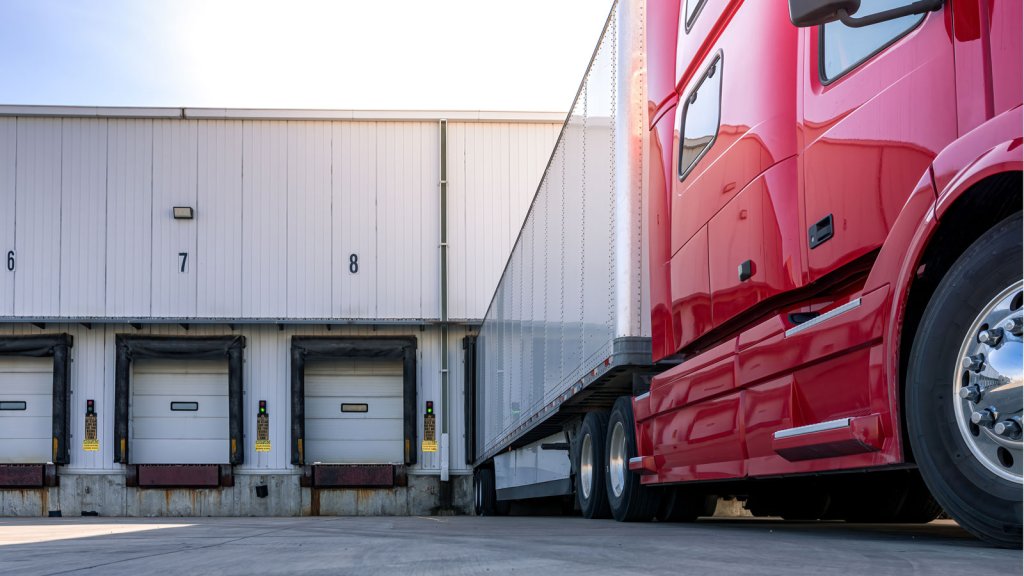
Dwell time is one useful area to examine. Trucks that spend too long waiting at a facility can contribute to detention charges, appointment delays, and strained carrier relationships. Better dock scheduling, clearer staging processes, and timely communication can help loads move through the site more consistently.
Order planning also matters. When operations have better visibility into demand and cutoff times, they may have more opportunities to consolidate shipments, reduce avoidable expedites, and use transportation capacity more effectively. The goal is not to slow service. It is to reduce the number of preventable decisions that make an already expensive shipment even more costly.
Warehouse automation can support these efforts when it is applied to a defined operational need. Technologies that improve storage utilization, picking productivity, sortation, or movement between processes may help facilities handle volume with fewer delays and more predictable output. The right solution depends on order profiles, inventory characteristics, labor availability, building constraints, and expected growth.
Look Beyond the Freight Invoice
A fuel surcharge is easy to see because it appears on an invoice. The larger business impact may span multiple departments and metrics. Procurement may see higher carrier costs. Operations may see schedule changes and congestion. Customer service may see delivery questions. Finance may see margin pressure. Network teams may see that certain lanes or facilities have become more expensive than expected.
Reviewing these effects together can provide a more complete picture. For example, a low-cost transportation option may create longer lead times or less consistent appointments. A location that appears efficient based on warehouse labor alone may be expensive once you include inbound and outbound miles. A service policy that depends on frequent expedites may become harder to sustain as fuel costs rise.
That’s why you shouldn’t evaluate transportation and warehouse performance in isolation. Total landed cost, service requirements, inventory levels, facility capacity, and labor all influence one another.
Rethink the Network, Not Just the Building
For many operations, the most meaningful response to sustained fuel volatility extends beyond a single facility. When transportation becomes a larger and more variable share of total landed cost, inventory placement economics change. A network designed around past fuel prices may not support current business needs as effectively as it once did.
Warehouse and distribution leaders should revisit several core questions. Are distribution centers close enough to major demand areas? Are products stored in the locations that best support their order patterns? Would regional or forward-positioned inventory reduce long-haul exposure? Is the organization paying for excess miles because inventory is concentrated too far from customers?
There are trade-offs. Adding inventory locations can shorten delivery distances, but it can also increase inventory investment and operational complexity. Consolidating into fewer facilities may improve inventory pooling and building utilization, but it can create longer outbound routes. The best answer depends on customer locations, service expectations, freight rates, inventory turns, facility costs, and the range of conditions the network must handle.
Use Scenario Planning Instead of a Single Forecast
Fuel prices can change faster than a facility network. That makes scenario planning more useful than building a strategy around one assumed price. A network study can compare how different fuel levels affect transportation spend, facility requirements, inventory placement, and customer service.
Leaders can test a practical range of conditions rather than trying to select one perfect forecast. They might compare the current network with regional alternatives, examine the cost of serving major customer clusters, or identify the lanes most exposed to price changes. The purpose is to understand which decisions remain sound across several outcomes and which ones become risky when assumptions change.
Scenario planning can also help prioritize investments. If a facility performs well across multiple fuel and demand conditions, expanding or automating it may be easier to justify. If a location becomes uneconomical under modest changes, leadership may need to revisit its role before committing additional capital.
Questions to Ask Now
A useful review can begin with a few practical questions: Which inbound and outbound lanes have experienced the greatest cost change? How often are fuel surcharges updated? Where are delays, detention, or expedited shipments adding cost? Which facilities serve customers across the longest distances? How would a change in inventory placement affect transportation, service, and working capital?
These questions should be supported by current operational data. Shipment history, customer demand, inventory movement, facility capacity, labor requirements, and transportation costs can help leaders separate short-term disruption from structural network issues.
Efficiency Inside, Strategy Across the Network
Diesel volatility connects transportation costs, warehouse efficiency, and network strategy. Companies can respond by improving performance within their facilities while also reviewing where those facilities and their inventory should be located.
Inside the warehouse, the focus should be on consistent flow, reduced dwell time, better space utilization, and fewer avoidable touches. Across the network, the focus should be on total landed cost, customer proximity, inventory placement, and resilience. Addressing both levels gives organizations more options when fuel prices, demand patterns, or carrier conditions change.
Don’t treat inventory placement as a permanent decision. Review it as transportation economics, customer expectations, and business priorities evolve.
Plan for Greater Cost Resilience
If rising transportation costs are changing the economics of your distribution network, KPI Solutions can help you evaluate facility strategy, inventory placement, and warehouse performance. Contact our team to explore practical ways to improve efficiency and build a more resilient operation.
Categories (tags):