Designing for Future Automation: Rack Decisions That Matter Today
Warehouse automation often brings to mind robots, conveyors, shuttle systems, and advanced software. While these technologies play a critical role in modern distribution operations, many companies overlook a foundational component that can determine the success of future automation projects: racking.
The right rack system does more than store inventory. It influences throughput, labor efficiency, inventory accessibility, and the facility’s ability to adapt as operational requirements evolve. Organizations that make strategic racking decisions today can significantly reduce the cost and complexity of future automation initiatives.
Racking Is the Foundation of Warehouse Performance
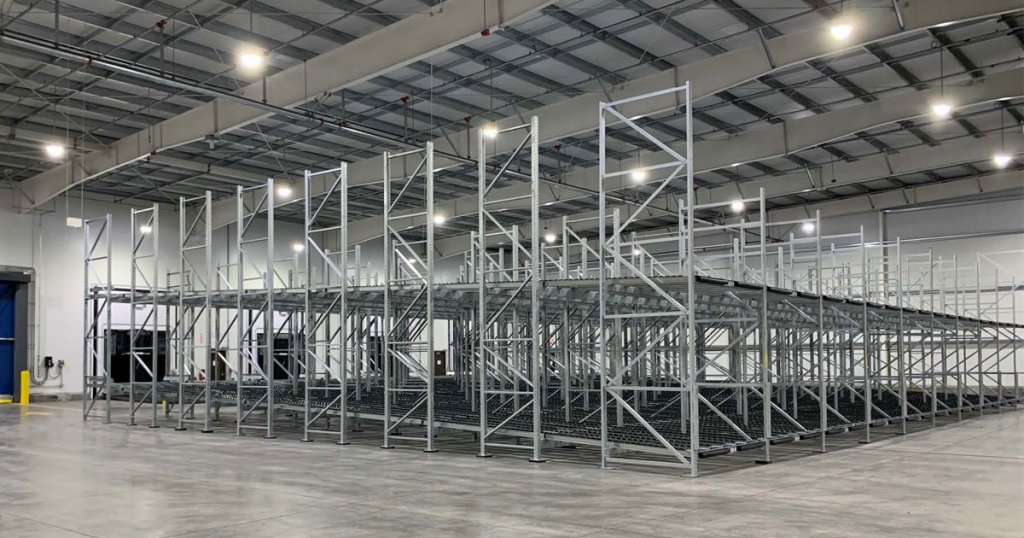
Every warehouse operation relies on storage infrastructure. Whether a facility uses selective racking, push back systems, pallet flow, drive-in storage, or a hybrid design, the rack layout shapes how products move throughout the building.
When racking is selected based solely on immediate storage needs, companies often create challenges for themselves later. Narrow aisles, limited accessibility, poor inventory flow, or underutilized vertical space can become obstacles when automation is introduced.
Instead, businesses should evaluate racking as part of a long-term operational strategy. A well-designed storage solution can support current requirements while providing the flexibility needed for future growth and technology adoption.
Automation Starts With Space Planning
Many automation projects require specific building conditions to achieve their full value. Automated storage and retrieval systems (AS/RS), autonomous mobile robots (AMRs), conveyor networks, and pallet shuttle systems all depend on thoughtful space allocation.
Early decisions regarding rack height, aisle widths, slotting strategies, and inventory flow directly impact future design options.
Questions worth considering include:
- Can existing rack structures support increased throughput requirements?
- Is there enough vertical space available to maximize storage density?
- Does the layout allow for future conveyor or robotics integration?
- Will product accessibility support automated picking strategies?
Addressing these questions before automation becomes a requirement can prevent costly retrofits later.
Storage Density and Accessibility Must Be Balanced
One of the most common challenges in warehouse design is balancing storage capacity with operational efficiency.
High-density storage solutions can significantly increase capacity utilization, but excessive density may limit inventory accessibility. Conversely, layouts focused exclusively on accessibility may leave valuable storage space unused.
The most effective designs align storage strategies with inventory characteristics, order profiles, and growth expectations. Facilities with large quantities of similar products may benefit from deep-lane storage solutions, while operations managing diverse SKU counts often require greater accessibility.
By understanding both current and future business needs, organizations can select racking systems capable of supporting automation technologies as they are introduced.
Flexibility Matters More Than Ever
Supply chains continue to experience rapid change. Product mixes evolve, customer expectations increase, and fulfillment strategies shift.
A rack design that works perfectly today may become restrictive within just a few years.
Flexible racking solutions provide organizations with the ability to:
- Expand storage capacity
- Accommodate changing inventory profiles
- Support new automation technologies
- Minimize disruption during facility upgrades
Facilities that prioritize adaptability are often better positioned to respond to growth opportunities and operational challenges without requiring major redesign efforts.
Designing for Automation Does Not Mean Automating Today
A common misconception is that facilities must invest in automation immediately to benefit from automation-focused design.
In reality, future-ready facilities often begin by making strategic infrastructure decisions. Racking systems can be configured to support phased investments over time, allowing organizations to improve operations incrementally while preserving future options.
This approach helps reduce risk and allows businesses to align automation investments with operational needs, budget considerations, and market conditions.
The Value of a Holistic Design Approach
Successful warehouse projects require more than selecting the right rack type. Storage systems, material flow, building constraints, inventory strategies, and future automation goals must all work together.
By evaluating racking as part of a broader warehouse design strategy, businesses can create facilities that deliver value today while supporting operational goals for years to come.
The most effective warehouses are not necessarily the most automated. They are the facilities designed with flexibility, scalability, and future growth in mind. Often, those advantages begin with the rack decisions made long before automation equipment ever enters the building.
Build a Strong Foundation for What’s Next
Whether you’re expanding an existing facility, building a new distribution center, or evaluating future automation opportunities, your racking strategy matters.
Thoughtful rack design can improve space utilization, enhance operational efficiency, and position your facility for future automation success. By planning ahead, organizations can avoid costly redesigns and create a warehouse environment capable of evolving alongside business demands.
Ready to evaluate your facility’s storage strategy? Contact Twinlode Automation to discuss racking solutions designed for today’s needs and tomorrow’s opportunities.
Categories (tags):