Simulation in Automation: Testing the Plan Before You Build It

at KPI Solutions
Why Simulation Has Become a Critical Step
When evaluating automation, teams often focus on equipment, layouts, and expected performance. While these are important, simulation is a critical step that is frequently overlooked and can determine project success.
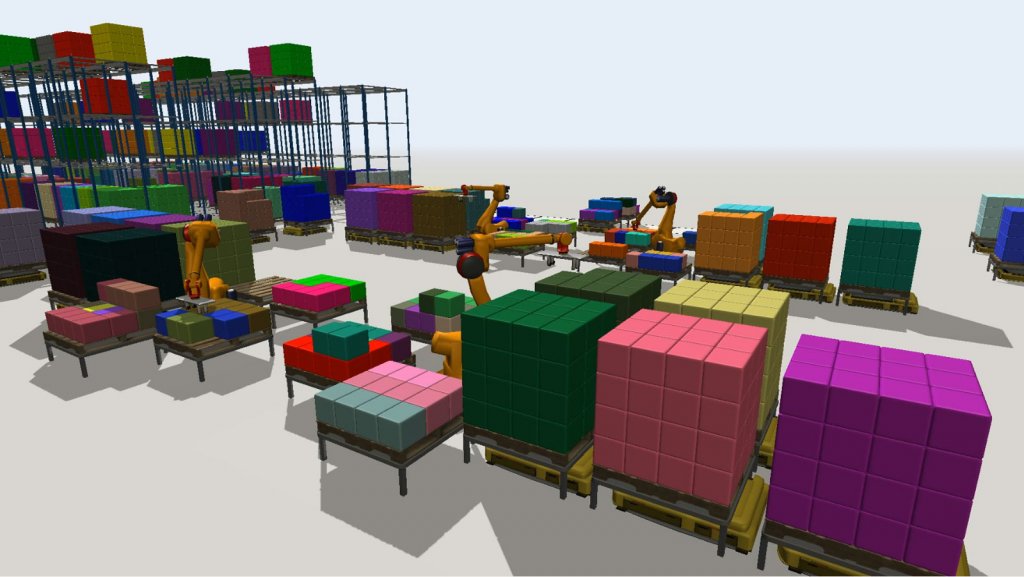
Simulation lets you test how an operation will perform before anything is installed on the floor. Instead of relying on assumptions or static calculations, you can see how systems, processes, and variability all interact over time. I have found that this is where many automation strategies move from theory to truly actionable.
Automation investments are substantial, and changes after implementation can be costly and disruptive. Simulation allows you to validate decisions in advance, reducing risk and increasing organizational confidence.
Moving Beyond Static Design
Traditionally, automation planning relied on averages such as order volume, pick rates, and throughput. However, real operations rarely conform to these averages. In my experience, variability defines performance. Factors such as peaks, valleys, rush orders, and SKU concentration shifts stress operations and reveal design weaknesses.
Simulation allows you to model variability and assess system performance under realistic conditions. You can test peak days, seasonal spikes, unexpected surges, and evaluate how delays in one area impact the entire operation. I have seen systems that appeared adequate on paper reveal bottlenecks when real-world variability was introduced through simulation. Identifying these issues before implementation is crucial.
Validating Automation Strategies Before You Invest
A key benefit of simulation is the ability to compare different approaches. Many projects have multiple viable automation strategies, and simulation helps determine which will perform best in your environment. Simulation lets you test options side by side, evaluating picking methods, storage strategies, or system configurations with the same data set. This ensures fair comparison and reduces decision-making bias.
In my experience, this approach provides clients with the most clarity. Rather than debating concepts, they can observe measurable outputs such as throughput, labor utilization, queue times, and system congestion to guide decisions. Simulation also enables design refinement. The first model is rarely final; the process is iterative. Testing and adjusting each cycle brings you closer to an efficient and resilient solution.
Identifying Bottlenecks Before They Happen
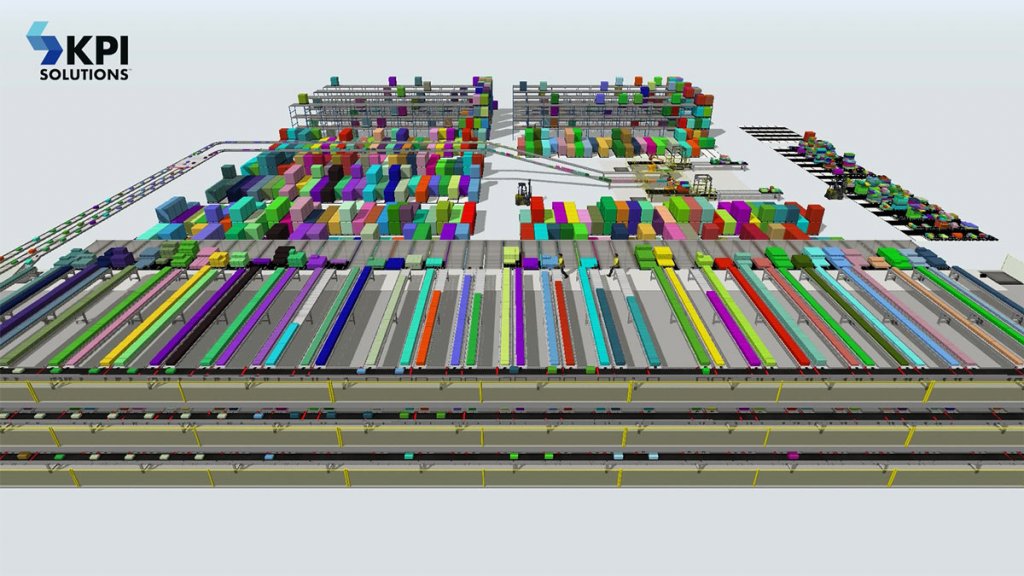
Every operation has constraints. The question is whether you identify them during planning or after implementation. Simulation is an effective way to uncover bottlenecks early. By modeling workflow, you can identify where queues form, resources are underutilized, and imbalances occur.
These insights often prompt small adjustments that significantly improve performance, such as modifying conveyor speeds, adjusting buffer sizes, or changing order release timing. Without simulation, these refinements typically occur after go-live, when changes are more costly and disruptive. Identifying them early ensures a smoother ramp-up and more predictable results.
Supporting Better Decisions Across the Organization
Another key benefit of simulation is its ability to support alignment among stakeholders. Automation decisions involve operations, engineering, finance, and leadership, each with unique perspectives, making alignment challenging. Simulation bridges this gap by providing a visual, data-driven view of operational performance. Stakeholders can see the impact of decisions directly, rather than relying only on presentations or static drawings.
In my experience, this leads to better conversations. Questions become more specific, trade-offs become clearer, and decisions are made with greater confidence. It also helps set realistic expectations. Teams have a better understanding of what the system will deliver and how it will behave under different conditions.
Simulation Is Not Just for New Systems
While often associated with new automation projects, simulation also provides significant value for existing operations. If a system underperforms or struggles to meet demand, simulation can help diagnose issues. Modeling current operations allows you to test changes before real-world implementation.
This may involve adjusting system logic, rebalancing workflows, or adding new automation elements. The main advantage is evaluating changes without disrupting live operations. This approach is especially useful for organizations planning to expand or upgrade existing systems. Simulation validates changes and ensures they deliver expected results.
Bringing It All Together
At the end of the day, simulation is about making better decisions. Automation projects are complex, with multiple variables, competing priorities, and long-term implications. In my experience, relying only on assumptions or static models is insufficient to manage this complexity.
Simulation adds confidence by allowing you to test ideas, understand operational behavior, and refine your approach before significant investment. While it does not eliminate all uncertainty, it meaningfully reduces it. Organizations gain the most value from simulation when they use it as part of a broader evaluation process, combining data, operational insight, and modeling to define and achieve success.
If you are planning an automation investment or seeking to improve an existing system, simulation can play a critical role in achieving your goals. If you would like to explore how simulation can support your automation strategy and increase confidence in your decisions, the KPI Solutions team is ready to help. Contact us to discuss what is possible for your operation.
Categories (tags):