Planning for Uptime: How Warehouse Leaders Can Build Smarter New Year Budgets
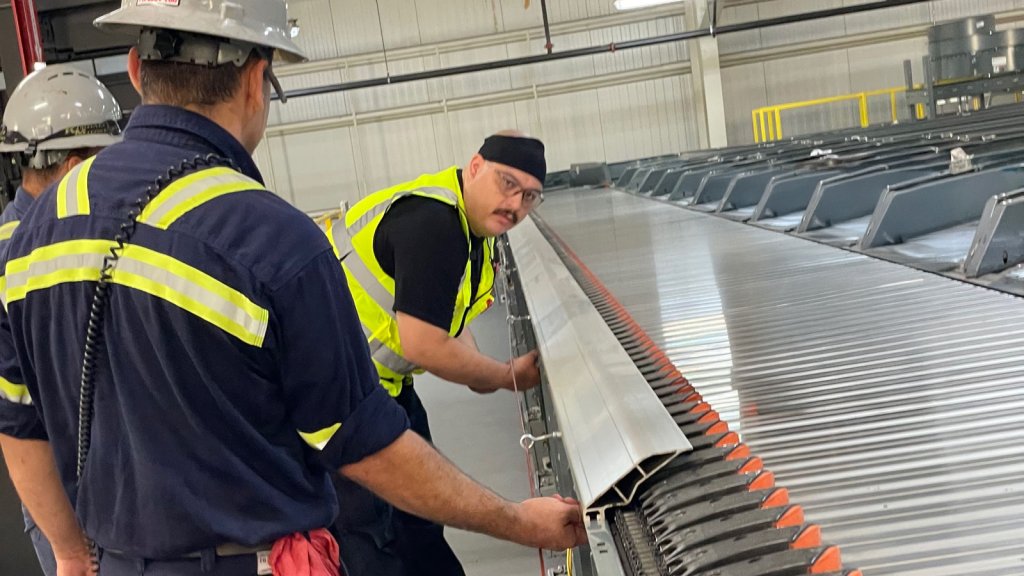
A lifecycle-based budget transforms maintenance from a cost center into a reliability strategy.
As warehouse and distribution center managers prepare for next year’s budget cycle, one priority stands above the rest: protecting uptime for your automation investments. Even a few minutes of operational downtime, especially at peak, can ripple across the entire supply chain.
Whether your operation is highly automated or primarily manual, the challenge remains the same: keeping systems, equipment, and people performing reliably. That requires more than quick fixes or emergency calls. It takes strategic planning, forward-thinking investment, and the right partners to keep operations running at peak performance.
Why Uptime Should Drive Your Budget Planning
Every warehouse manager has experienced the pain of unplanned downtime—conveyors stalling mid-shift, software freezing during peak volume, or emergency overtime caused by equipment failure. These moments disrupt productivity, increase costs, and erode customer confidence.
That’s why warehouse uptime should be treated as a financial strategy, not just an operational metric. The most successful distribution centers invest in preventive maintenance, predictive analytics, and lifecycle support to maintain uninterrupted flow.
When planning your budget, you should ask: “What will it take to keep our systems performing at full capacity, not just for the next quarter, but for the next five years?”
Move Beyond the Break/Fix Cycle
Traditional maintenance often follows a reactive model: waiting for a problem, then scrambling to fix it. But downtime costs far more than prevention. Shifting toward proactive maintenance enables warehouse teams to budget more effectively and perform more consistently.
Key areas to warehouse maintenance planning:
- Lifecycle Support Programs: Consider long-term service agreements that provide 24/7 technical support, diagnostics, and on-site services to maintain year-round uptime.
- Preventive Maintenance & Spare Parts: Schedule maintenance intervals and keep critical parts in stock. A modest preventive plan can drastically extend system life and reliability.
- Training and Workforce Development: Even the best fulfillment strategy depends on skilled operators. Invest in training and cross-functional education to reduce errors and improve productivity.
- System Modernization & Upgrades: Regularly update software, controls, and equipment. Modernization ensures supportability, compliance, scalability and integration with evolving technologies.
Take an Agnostic Approach to Uptime
The most effective managers evaluate technology options through an agnostic lens, focusing on outcomes rather than brand names.
When considering uptime investments for your plan, ask:
- What are our most critical operational bottlenecks?
- What’s the total cost of ownership (installation, maintenance, training)?
- How flexible is this system as our volumes or processes evolve?
- Does it integrate with existing warehouse systems or replace them entirely?
Focusing on results like throughput, uptime, and labor efficiency helps ensure decisions align with measurable goals, not hype.
Build Flexibility into Your Budget
No plan is immune to change. Economic shifts, labor shortages, and new technologies can all reshape your operational priorities. Building flexibility into your budget safeguards against uncertainty and allows your team to adapt quickly.
Include contingency funding for:
- Unexpected system repairs or replacements
- Software updates and cybersecurity improvements
- Seasonal labor needs or overtime coverage
- Pilot programs to test emerging automation technologies
Flexible budgets give warehouse leaders the agility to respond to new challenges without disrupting performance or profitability.
Where Expert Support Adds Value
Even the most prepared warehouse manager can’t anticipate every variable. That’s why lifecycle support, the ongoing service that sustains uptime, has become a critical element of warehouse planning.
KPI Solutions’ LifeTime Services team delivers measurable impact, designed for modern warehouses and distribution centers. We assist in maintaining performance, reducing downtime, and planning for future growth with confidence.
Through modular offerings, including 24/7 support, field maintenance, resident technicians, training programs, spare parts management, and warehouse assessments, LifeTime Services ensures your operation has the coverage it needs to stay productive and future-ready.
Our partnership approach allows warehouse leaders to focus on strategic growth, knowing that their systems are supported by a team dedicated to uptime and reliability.
The Bottom Line: Preparation is Key to Reducing Downtime
Next year’s budget is more than a list of expenses, it’s your operational roadmap for reliability. As you prepare:
- Make uptime your leading metric of success.
- Budget proactively for maintenance, training, and modernization.
- Evaluate automation through an agnostic, performance-driven lens.
- Build flexibility to handle both growth and change.
- Partner with experts who prioritize long-term system health, not short-term installs.
KPI Solutions’ LifeTime Services is here to support your operation for the long run. We help warehouse managers plan smarter, perform better, and protect uptime through every phase of automation and beyond.
Categories (tags):