Which Warehouse Tasks Are Best Suited for Robotics?
Robotics has moved from an emerging warehouse technology to a practical part of many automation strategies. One intralogistics study reported that 48% of respondents were already using one or more robots, while another 32% planned to begin using robotics within three years.
But knowing robotics is available is very different from knowing where it makes sense.
The warehouse tasks best suited for robotics are typically repetitive, predictable, physically demanding, high-volume, or involve frequent movement of products and materials. Rather than trying to automate an entire facility, warehouses can often find more value by identifying individual processes where robotics can address a specific operational constraint.
Here are some of the tasks that deserve a closer look:
Moving Products Through the Warehouse
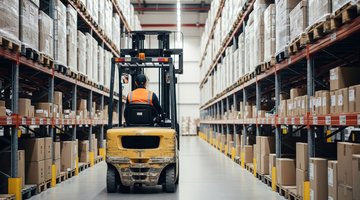
A significant amount of warehouse labor can be spent simply moving products, totes or pallets from one location to another.
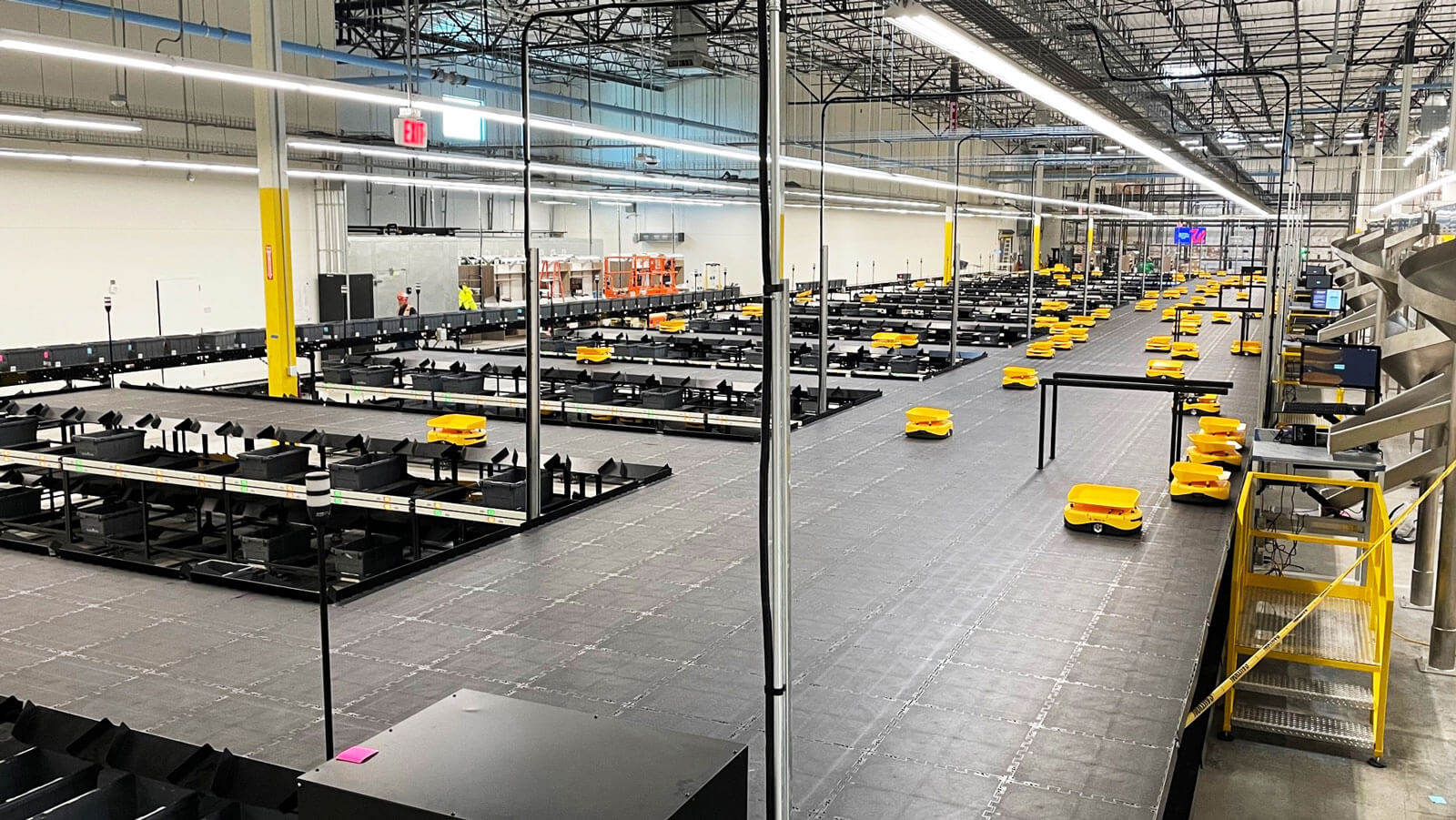
Autonomous mobile robots (AMRs) and automated guided vehicles (AGVs) can take over certain repetitive transportation workflows, moving materials between storage, picking, packing, replenishment and other areas of the facility. These technologies are among the robotic solutions being used to improve material flow and warehouse throughput.
Transportation is particularly worth evaluating when employees regularly:
- Travel long distances between work areas
- Move materials along predictable routes
- Spend significant time walking rather than completing value-added tasks
- Create congestion around high-traffic areas
The goal is not simply reducing walking. It is determining whether excessive travel has become a constraint on the overall operation.
Picking and Order Fulfillment
Picking is another area with significant potential for robotics because it combines repetitive movement with the need for speed and accuracy.
Depending on the application, robotic picking can take several forms. Goods-to-person or goods-to-robot systems can bring inventory to a picking station, while robotic arms can automate certain product-handling tasks. Mobile robotics can also support associates by reducing the amount of travel required during order fulfillment.
The right approach depends heavily on SKU characteristics and the order profile. Product dimensions, weight, packaging, velocity and variability all influence whether a robotic picking application will be effective.
This makes order and SKU data an important starting point for evaluating robotic picking, rather than choosing a technology first and trying to make the operation fit it.
Palletizing and Depalletizing
Building and breaking down pallets can be repetitive and physically demanding, making these processes strong candidates for robotic assistance.
Robotic palletizing systems can repeatedly handle cases and build loads based on defined requirements. Depalletizing systems reverse the process, removing cases or other products from incoming pallets for downstream handling.
Within beverage distribution specifically, the NBWA has highlighted robotic palletizing, conveyor systems, AMRs, AGVs and AS/RS among technologies that can reduce manual material handling.
These applications can be especially valuable when pallet handling is a high-volume, consistent part of the operation.
Sortation
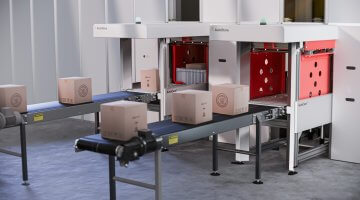
Sorting orders, cartons or products to their correct destinations is another task where repetitive decisions and movements can make automation attractive.
Robotic and automated sortation technologies can route products according to destination, order, shipping lane or another predetermined requirement. This can be particularly useful as order volume or SKU complexity grows beyond what a manual process can comfortably support.
The more important question, however, is whether sortation is actually limiting the operation. If products frequently queue upstream, shipping lanes become congested or labor requirements rise rapidly alongside order volume, the sortation process may warrant closer analysis.
Replenishment and Material Movement
Picking performance is often dependent on what happens before the picker arrives.
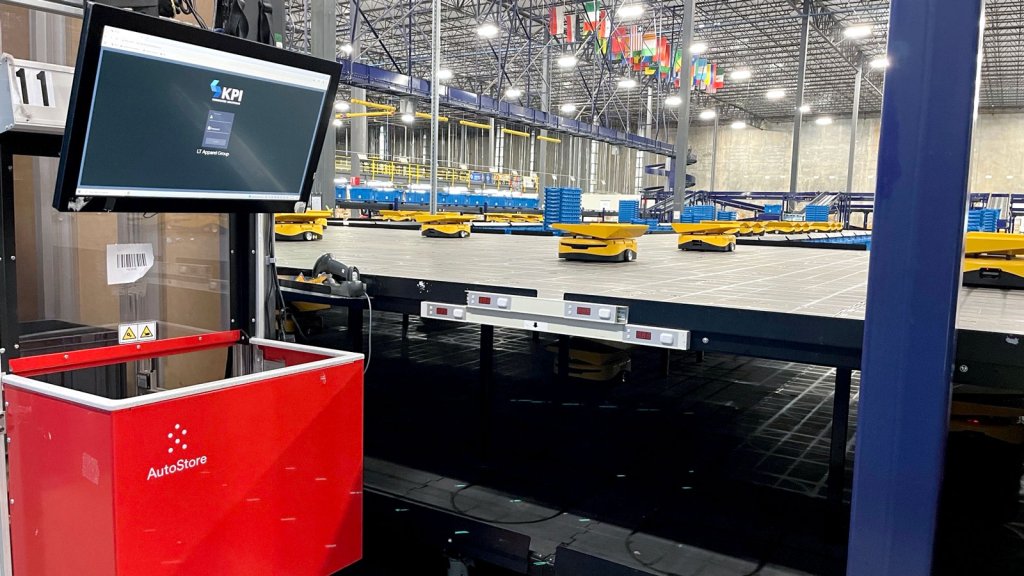
If inventory is not available in the right location at the right time, even a highly efficient picking process can slow down. Robotics can support replenishment by moving products between reserve storage and forward picking areas or transporting inventory among different warehouse processes.
When paired with appropriate warehouse software and inventory data, automated movement can help create a more consistent flow of material through the facility.
What Makes a Warehouse Task a Good Candidate for Robotics?
There is no single volume threshold that makes a process ready for robotics. Instead, look for a combination of characteristics.
- Repetition: Does the process involve performing essentially the same activity hundreds or thousands of times?
- Predictability: Can the workflow and required movements be clearly defined?
- Volume: Is there enough activity for automation to make a meaningful operational difference?
- Labor Intensity: Does the task consume a disproportionate amount of labor or require employees to perform physically demanding work?
- Consistency: Would more consistent execution improve downstream performance?
- Scalability: Is the existing process becoming more difficult or expensive to scale as the business grows?
These questions help shift the automation conversation away from Where can we put a robot? and toward a more useful question: Where do we have a process problem that robotics may be able to solve?
Are Some Warehouse Tasks Better Left to People?
Yes.
Highly variable work, exception handling, problem solving and processes requiring frequent judgment may still be better suited to employees. Robotics can then be applied to the repetitive work surrounding those processes.
That combination is increasingly important to modern warehouse strategies. MHI and Deloitte’s industry research emphasized orchestrating technology with human workers, rather than viewing automation solely as a replacement for labor.
The goal should be to put both people and technology where they provide the greatest value.
Start With the Process, Not the Robot
Robotics can provide compelling advantages, but the technology itself should not determine the solution.
Start by examining where labor is being consumed, where orders are delayed, where unnecessary travel occurs and which processes will become difficult to scale as volume increases. From there, determine whether robotics, another form of automation or a process change provides the strongest business case.
A broader operational assessment can also uncover dependencies that are easy to overlook when evaluating a single process.
At KPI Solutions, we help organizations evaluate warehouse processes, identify automation opportunities and design integrated solutions around their operational requirements and long-term goals.
Ready to determine where robotics could make the greatest impact in your operation? Contact KPI Solutions to start the conversation.
Categories (tags):