Apparel Fulfillment: Meeting the Industry’s Unique Challenges
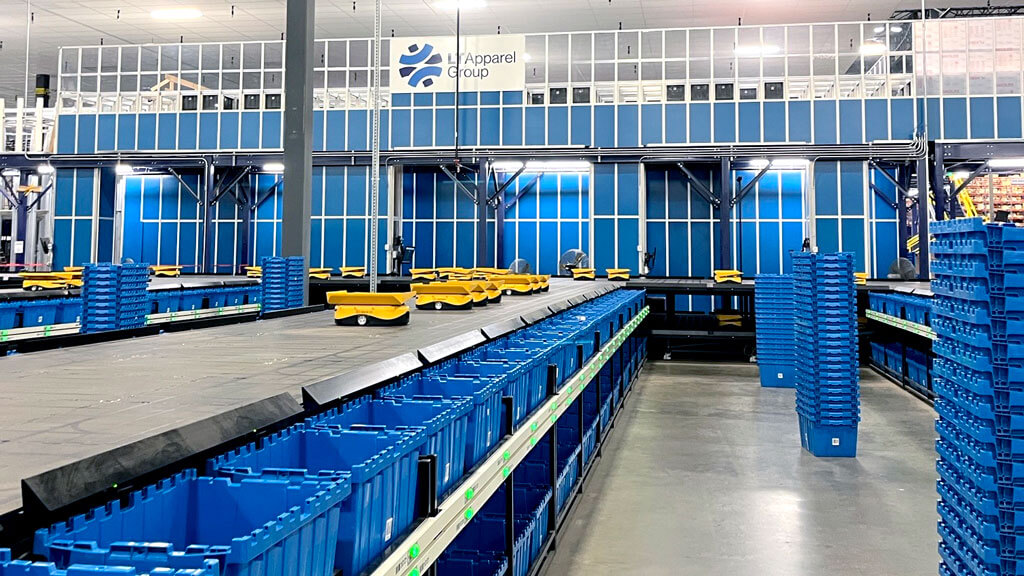
From rapid e-commerce growth to sharp seasonal swings, apparel operations face a set of fulfillment challenges that few other industries share. Sizes and colors multiply SKUs, trends turn over quickly, peak seasons arrive hard, and returns come back in volume. Investing in efficiency today is one of the surest ways to support tomorrow’s growth in a category this dynamic.
This guide looks at what makes apparel fulfillment distinct, the pressures that operations feel most, and the strategies that help apparel brands and their partners keep pace.
What Makes Apparel Fulfillment Different
A few characteristics set apparel apart:
- SKU proliferation. A single style can multiply into dozens of variants across size and color, which drives up the number of active SKUs an operation must store and pick.
- Seasonality and trend cycles. Demand swings with seasons, product drops, and fashion cycles, so assortments rotate constantly and volume is uneven through the year.
- High return rates. Apparel comes back more often than most categories, largely because fit and sizing are hard to judge online.
- Omnichannel demand. Product often serves both store replenishment and direct-to-consumer orders from the same building.
Each of these adds complexity to storage, picking, and the reverse flow of returns.
The Returns Challenge
Returns deserve their own focus in apparel. The National Retail Federation estimates that about 19.3 percent of online sales were returned in 2025, a rate well above in-store returns, and apparel and footwear run higher still because of fit and sizing (NRF). Practices like bracketing, where a shopper buys several sizes intending to keep one, push apparel returns higher during peak.
Every returned garment has to be received, inspected, and either restocked or routed for disposition, all while new orders keep flowing. An operation that treats returns as an afterthought loses both the product’s resale value and the labor consumed handling it slowly. Efficient reverse logistics protects margin as much as forward fulfillment does.
The Pressures Apparel Operations Feel
Heading into growth or peak, apparel leaders tend to face:
- Pressure to add capacity without expanding the building.
- Storage strained by a wide and rotating SKU assortment.
- Picking that involves many small, each-level orders for e-commerce.
- Peak surges that can multiply daily volume for weeks at a time.
- A steady stream of returns that competes with outbound work for labor and space.
Strategies That Fit Apparel
Because apparel combines high SKU counts with uneven volume, flexible and dense solutions tend to perform best.
- Flexible storage for assortment change. Systems that adapt to a shifting SKU mix keep the operation from being rebuilt every season.
- Goods-to-person systems. Dense automated storage holds a wide, rotating assortment in a compact footprint and brings items to the operator, which suits high-SKU apparel and cuts the travel that each-picking demands.
- Robotics for sortation and picking. Robotic sortation and picking handle the many small e-commerce orders apparel generates, adding throughput and accuracy while easing reliance on hard-to-find labor.
- A warehouse execution system. Software that sequences work and balances labor and automation absorbs the volume swings apparel is known for, scaling up for peak and down for quieter stretches.
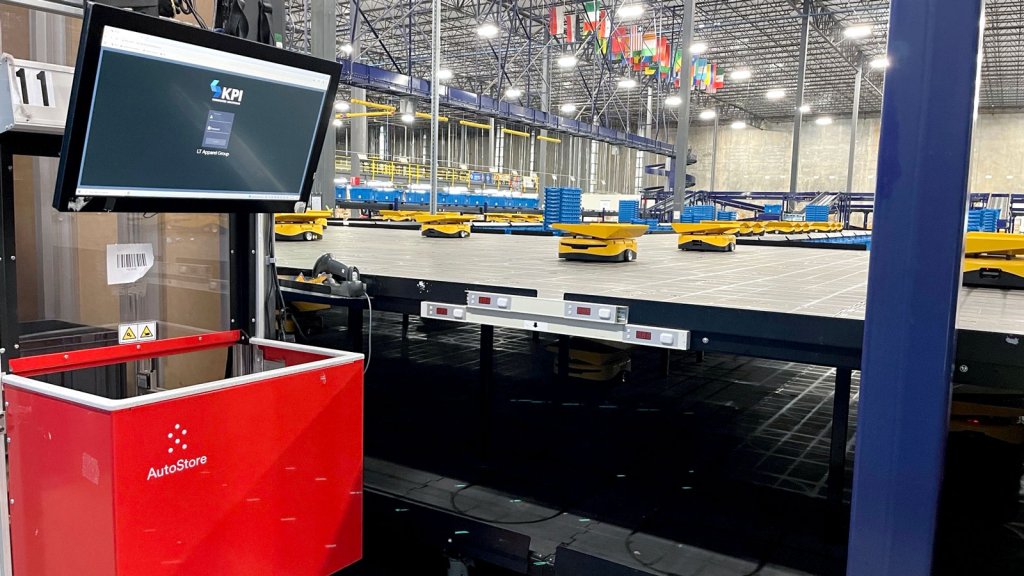
A Real Example: LT Apparel Group
These strategies work together in practice. When LT Apparel Group, a family-owned children’s apparel company, needed to scale for growth and bring outsourced volume in-house, KPI Solutions evaluated their current processes, identified bottlenecks, and designed a solution that blended two robotic technologies with an expansion of their existing AutoStore goods-to-person system. The result gave them expanded capacity in a smaller footprint, flexible storage for a rotating assortment, faster and higher order throughput, an easier path through peak demand, and reduced reliance on labor. You can read the full LT Apparel Group case study for the details.
Investing Today to Support Tomorrow’s Growth
Apparel volume rarely stays flat, and the operations that handle growth well are usually the ones that built flexibility in early. Dense storage, adaptable automation, and execution software that flexes with volume let an apparel operation take on more SKUs, absorb bigger peaks, and handle returns efficiently, all without a proportional increase in space or labor. KPI Solutions designs these solutions for retail and e-commerce operations around each business’s order profiles and growth goals.
Frequently Asked Questions
- Why are apparel return rates so high? Fit and sizing are difficult to judge online, so shoppers order and send back more, sometimes buying several sizes intending to keep one. This makes efficient returns handling essential in apparel.
- What automation works best for high-SKU apparel? Goods-to-person systems store a wide, rotating assortment densely and cut picker travel, which suits apparel well. Robotic sortation and picking help with the many small e-commerce orders the category generates.
- How do I prepare an apparel operation for seasonal peaks? Flexible storage and execution software that scales with volume let an operation absorb peak surges. Planning capacity and returns handling ahead of the season is key.
- Can I add capacity without expanding my building? Often yes. Dense automated storage and better software can raise throughput and storage within the existing footprint, as apparel operations that have added automation have shown.
Ready to Build for Growth?
Connect with the KPI Solutions team to design an apparel fulfillment solution that scales with your business.
Categories (tags):