Evaluating Automation: Where to Go Next and Where to Begin

at KPI Solutions
The New Reality of Automation Decisions
Automation discussions have shifted. Previously, most focused on whether automation was appropriate. Now, I work with two main groups: those seeking to enhance or update existing automation, and those determining how to begin. Both groups face the same core challenge: a lack of clarity about next steps, not a lack of technology options.
Automation is now an ongoing strategy, not a one-time investment. This shift makes regular evaluation essential, as each decision builds on your current foundation or shapes future direction.
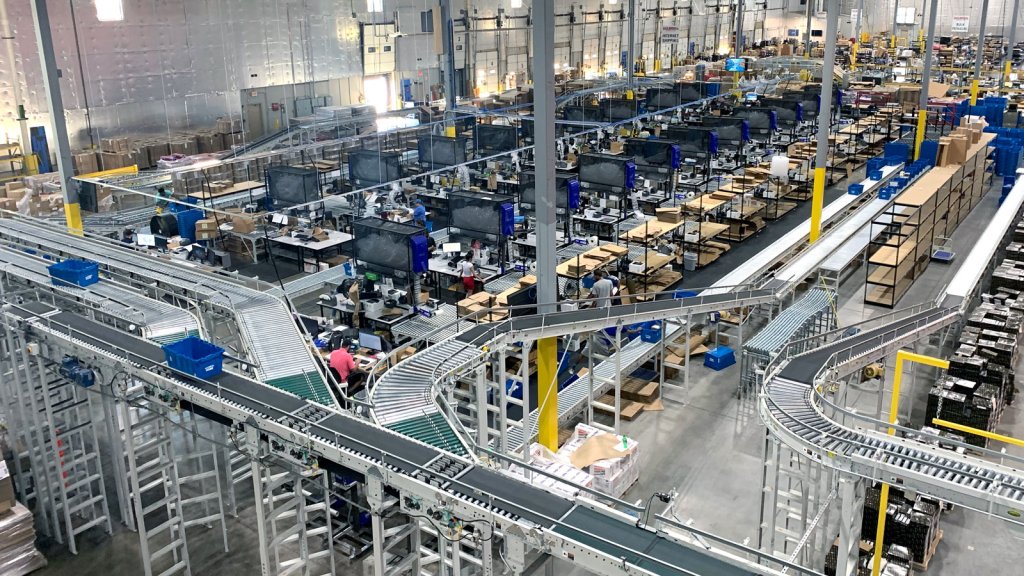
If You Already Have Automation: Reassess Before You Add
When automation is already in place, the instinct is often to add more. I advise teams to first assess whether current systems remain aligned with business needs.
Often, systems are no longer aligned, not because of flawed technology, but because business needs have changed. Evolving order profiles, increasing SKU counts, rising customer expectations, and labor challenges can create a gap between system capabilities and current requirements.
Clear signs of misalignment include throughput constraints and frequent workarounds. If your system operates near capacity or requires manual processes to maintain workflow, these are strong indicators that adjustments are needed.
I recommend three paths forward. First, optimize existing systems. Many operations do not maximize current assets due to outdated software, underused features, or unaddressed process changes. Before investing in new equipment, explore improvements within your current setup.
Second, consider expansion. If your system performs well but volume exceeds its original design, adding complementary automation can effectively support growth without replacing what already works.
Third, consider transformation. If the original system no longer fits the business, incremental improvements may add complexity. In such cases, rethinking the overall strategy is often the most practical long-term solution.
If You’re Starting from Scratch: Focus on Where It Hurts Most
If you have minimal automation, the main challenge is determining where to start. With many compelling technologies available, teams can be distracted by the most advanced or visible options.
In my experience, this is rarely the most effective approach.
The best starting point is your own operation, specifically your data. Metrics such as order volume, variability, SKU velocity, and peak demand reveal where your operation faces the most pressure and where automation can deliver the greatest impact.
Next, evaluate processes practically. Identify where labor hours are highest, errors are most frequent, and delays impact customer experience. Picking is often evaluated first due to its labor intensity and impact on service levels. However, some operations achieve faster returns by focusing on packing, sortation, or inbound processes, depending on their specific constraints.
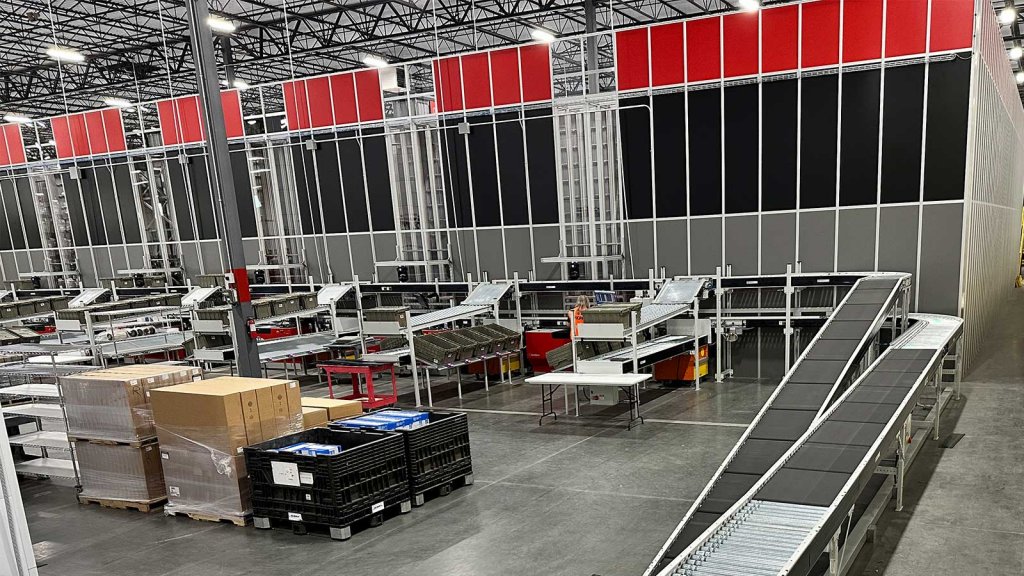
I often recommend starting with a targeted solution instead of automating everything at once. Phased automation builds momentum, allowing teams to learn, adapt, and achieve measurable results early.
Think Beyond the Immediate Need
Whether expanding or implementing automation for the first time, it is important to plan for the future.
While it is easy to focus on current needs, automation investments are long-term. Your operation will change over the next three to five years, and your systems must accommodate that evolution.
Scalability is often overlooked during evaluation. The most successful operations build flexibility into their strategy from the start, using modular systems or adaptable software platforms that can grow with the business. This does not require overinvesting initially. Instead, avoid making decisions today that could limit your future options.
Another often-overlooked factor is how automation integrates with the broader operation. Technology alone does not solve problems; it must align with processes, workflows, and people. Well-integrated systems perform better, while even advanced solutions can underperform if not properly implemented.
Bringing It All Together
Ultimately, decisions to expand, update, or begin automation depend on alignment with your business needs.
If you already have automation, ensure it supports both current and future business needs. This may involve optimizing, expanding, or redefining your approach. If you are starting out, focus on areas where automation will have the greatest impact. Use your data to identify key constraints and build from there.
Organizations that gain the most from automation are not those with the most technology, but those that evaluate intentionally, stay grounded in operational reality, focus on outcomes, and take a measured approach to change.
Automation is a powerful tool. Like any tool, automation is powerful, but its effectiveness depends on thoughtful use. Careful evaluation clarifies the path forward, whether you are building on existing systems or starting anew. The team at KPI Solutions can help. Reach out to start a conversation about your operation, your goals, and how to align the right automation strategy to support both.
Categories (tags):