Where Should You Automate First? A Framework for Prioritizing Warehouse Investments
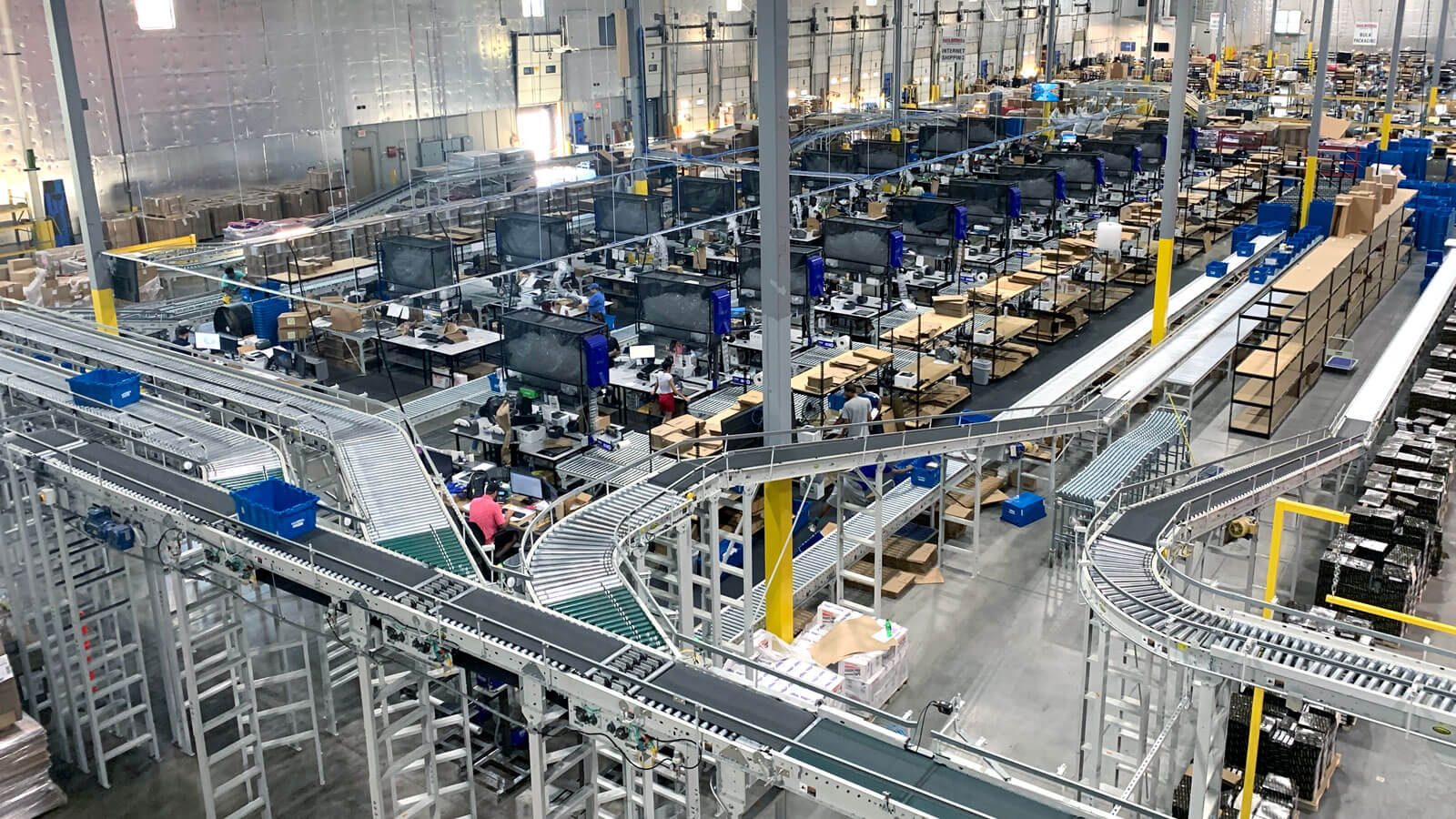
Warehouse automation doesn’t have to start with a facility-wide transformation.
For many operations, a better approach is to identify one process where automation can solve a meaningful operational challenge, deliver measurable value, and lay the foundation for future improvements. That first project might address picking, storage, transportation, sortation, pallet movement, or another persistent constraint.
The difficult question is deciding where to start.
The answer is rarely as simple as finding the most manual process in the building. A good starting point exists at the intersection of operational need, business impact, automation readiness, and long-term strategy. Evaluating those factors together helps warehouse leaders prioritize investments rather than simply automate the most visible problem.
Start with the Problem, Not the Technology
It is easy to begin an automation project by looking at technologies. Autonomous mobile robots, automated storage and retrieval systems, goods-to-person solutions, sortation systems, conveyors, robotic picking, and pallet-handling equipment can all improve warehouse operations under the right conditions. But technology selection should come later.
The first step should be understanding where the operation is struggling today. That means identifying processes that consistently cause delays, consume excessive labor, limit throughput, introduce errors, or prevent the operation from responding effectively to demand changes. Some questions worth asking include:
- Where are employees spending the most time walking, traveling, searching, or waiting?
- Which processes require the most labor during peak periods?
- Where do bottlenecks regularly appear?
- Which areas struggle most with accuracy, ergonomics, safety, or consistency?
These questions shift the discussion from “What should we automate?” to “What operational problem should we solve?”
That distinction matters. Automation should have a defined job.
A Framework for Prioritizing Automation Opportunities
Once warehouse leaders have identified potential opportunities, they can evaluate them against four factors: operational pain, business impact, automation readiness, and future value.
1. Operational Pain: Where Is the Greatest Friction?
Start with processes that repeatedly create problems. A picking operation that requires significant walking may be limiting productivity. A packing area that cannot keep pace with upstream processes may restrict overall throughput. Congestion around conveyors or staging areas may cause delays even when individual processes perform well.
Labor can be another important indicator. Processes that require large amounts of repetitive manual work, become difficult to staff during peaks, or create ergonomic concerns may deserve greater attention. The goal is not necessarily to find the process with the highest labor count. It is to determine where operational friction has the greatest effect on the facility.
2. Business Impact: What Happens If You Fix It?
Not every inefficient process represents an equally valuable automation opportunity. The next question is what improving that process would actually mean for the business. Could automation increase orders processed per hour? Reduce the labor required to support growth? Improve order accuracy? Increase storage density? Reduce travel? Create additional capacity without expanding the facility?
This is where measurable operational data becomes important. Consider comparing potential projects using metrics such as:
- Throughput: Orders, cases, lines, totes, or pallets processed per hour.
- Labor: Hours required per order, line, case, or pallet.
- Accuracy: Picking, inventory, shipping, or fulfillment error rates.
- Capacity: Available storage and processing capacity relative to expected growth.
A process that performs reasonably well today may still be a high priority if anticipated growth will push it beyond capacity soon.
3. Automation Readiness: Is the Process a Good Candidate?
A painful process is not automatically automation-ready. Stable, repeatable workflows tend to provide clearer starting points than processes with significant variability or unresolved upstream problems. Product characteristics, order profiles, inventory accuracy, physical space, software, and existing material flow can all influence automation feasibility.
Data is particularly important. Historical order volume, SKU velocity, inventory profiles, peak demand, labor utilization, and throughput requirements can help determine whether an automation concept matches the operation’s realities. This analysis may also reveal that automation should not be the first step. If poor slotting, inaccurate inventory, inefficient processes, or inconsistent workflows are causing the problem, addressing those fundamentals may deliver better results before introducing equipment.
Sometimes the best automation decision is knowing where not to automate yet.
4. Future Value: Does the Investment Support What Comes Next?
A first automation project should address today’s needs without creating unnecessary constraints for tomorrow. Warehouse requirements rarely remain static. Order volumes change. SKU counts grow. Customer expectations evolve. New sales channels emerge. Acquisitions and network changes can alter fulfillment requirements. That makes scalability an important part of prioritization.
When comparing automation opportunities, consider whether each investment can adapt to higher volumes, additional technologies, changing workflows, or broader automation initiatives later. A well-planned first project can become part of a larger automation roadmap rather than an isolated piece of equipment.
For example, improving storage and retrieval today could influence future decisions around picking and replenishment. Automating transportation between processes may create a foundation for additional robotic workflows. Improving data visibility and system orchestration can make it easier to coordinate additional technologies as the operation evolves. The best place to automate first is often where immediate operational value and long-term flexibility overlap.
You May Not Need to Automate the Biggest Problem First
Prioritization also requires understanding dependencies. Imagine that an operation identifies picking productivity as its largest labor challenge. Automating picking might seem like the obvious first investment.
Deeper analysis could reveal that inventory availability and replenishment are the real constraints. Increasing picking capacity without addressing them might just move the bottleneck elsewhere. Warehouse processes are interconnected. Receiving affects replenishment. Replenishment affects picking. Picking affects packing and sortation. Every improvement can change what happens upstream and downstream.
Before deciding where to automate, ask: “If we make this process significantly faster, what happens next?” If the answer is that another process immediately becomes the constraint, you may need to reconsider, expand, or resequence the project.
Think in Terms of an Automation Roadmap
The decision about where to automate first becomes easier when you view it as the start of a roadmap rather than a standalone project. Organize potential initiatives by expected business value and implementation complexity. The strongest starting opportunities often combine meaningful impact with manageable complexity. This can create a logical progression:
- Near term: Address a clearly defined operational constraint with measurable impact.
- Next phase: Expand automation into connected processes where additional capacity or efficiency is needed.
- Long term: Develop a more integrated environment in which equipment, robotics, software, and people work together across the operation.
This approach allows organizations to make progress without committing to a complete warehouse transformation on day one. It can also create learning opportunities. The first automation project provides real operating data, exposes integration requirements, and helps teams understand how processes change once technology is introduced. Those lessons can make subsequent investments more informed.
Build for The Right Starting Point Is Different for Every Warehouse
No universal process should be automated first. For one facility, excessive travel may make goods-to-person picking the highest-value opportunity. Another may need additional storage density. A third might benefit more from pallet transportation, sortation, packing, or warehouse software improvements before introducing physical automation.
That is why prioritization should begin with the operation itself. Understand where the constraints are. Quantify their impact. Evaluate whether those processes are ready for automation. Then consider how each potential investment fits into the warehouse’s longer-term direction.
You do not have to automate the entire warehouse at once. Starting with the right process can solve an immediate challenge while providing the operational, technological, and strategic foundation for whatever comes next.
Ready to Find Your Starting Point?
KPI Solutions helps organizations evaluate warehouse operations, identify high-value automation opportunities, and develop scalable strategies aligned with both current challenges and future growth. Talk with us about where automation can make the greatest impact in your operation.
Categories (tags):