
High-Speed Case Picking Robots for Streamlined Throughput
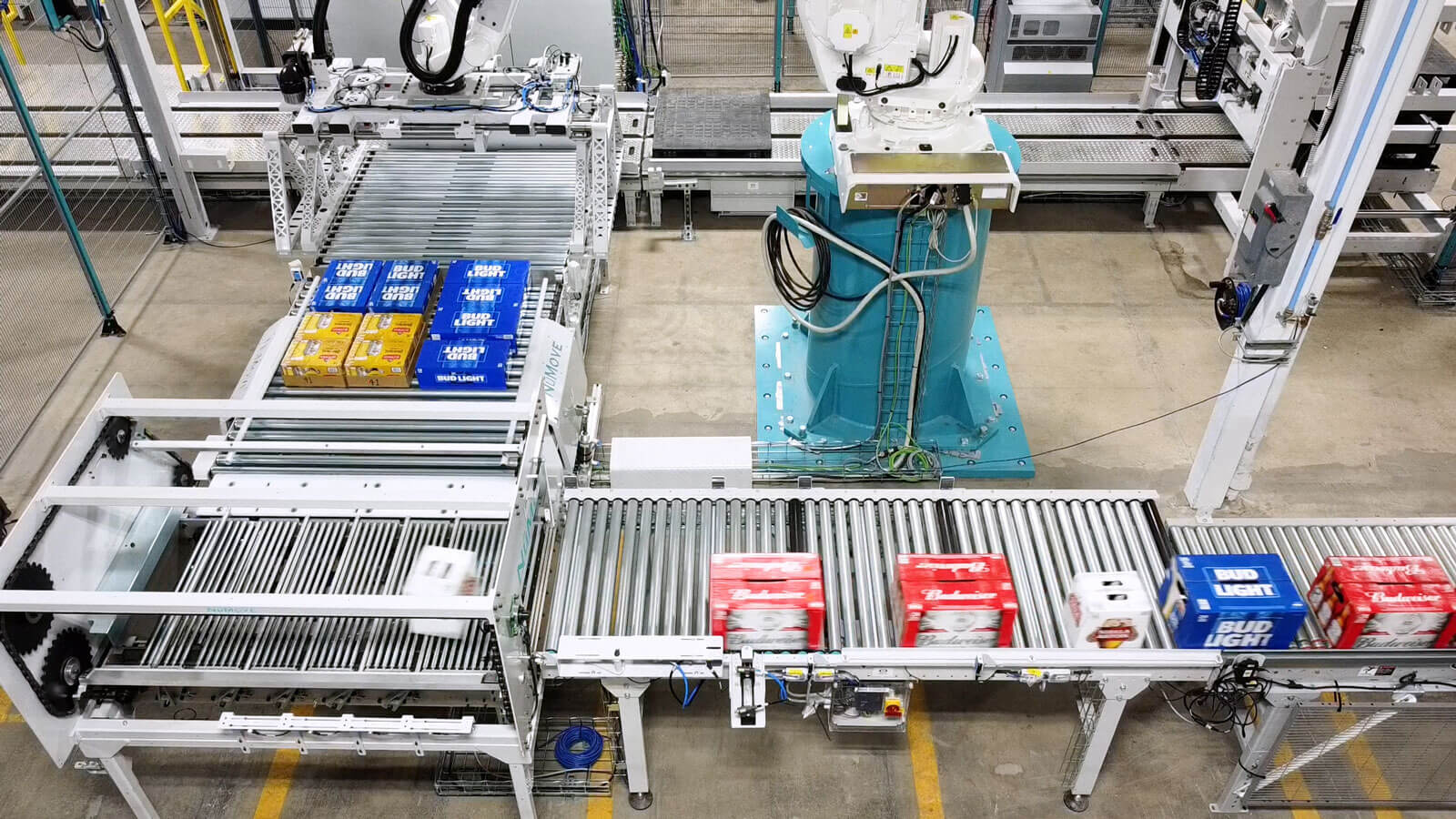
Case picking robots are designed to handle the physical demands and fast pace of high-volume distribution environments. These systems automate the movement and placement of full cases, whether palletizing, depalletizing, or transferring between zones, bringing consistency, speed, and safety to operations that rely on repetitive case handling. For industries like retail, beverage, and consumer packaged goods (CPG), robotic case picking offers a scalable solution to labor challenges and throughput constraints.
How Case Picking Robots Work
At the heart of case picking automation is a robotic arm or gantry system equipped with sensors, vision technology, and specialized grippers. These robots identify cases based on size, shape, and orientation, then execute precise movements to pick and place them according to programmed stacking patterns. Whether building pallets for outbound shipping or breaking down inbound loads, the system ensures consistent placement, spacing, and orientation.
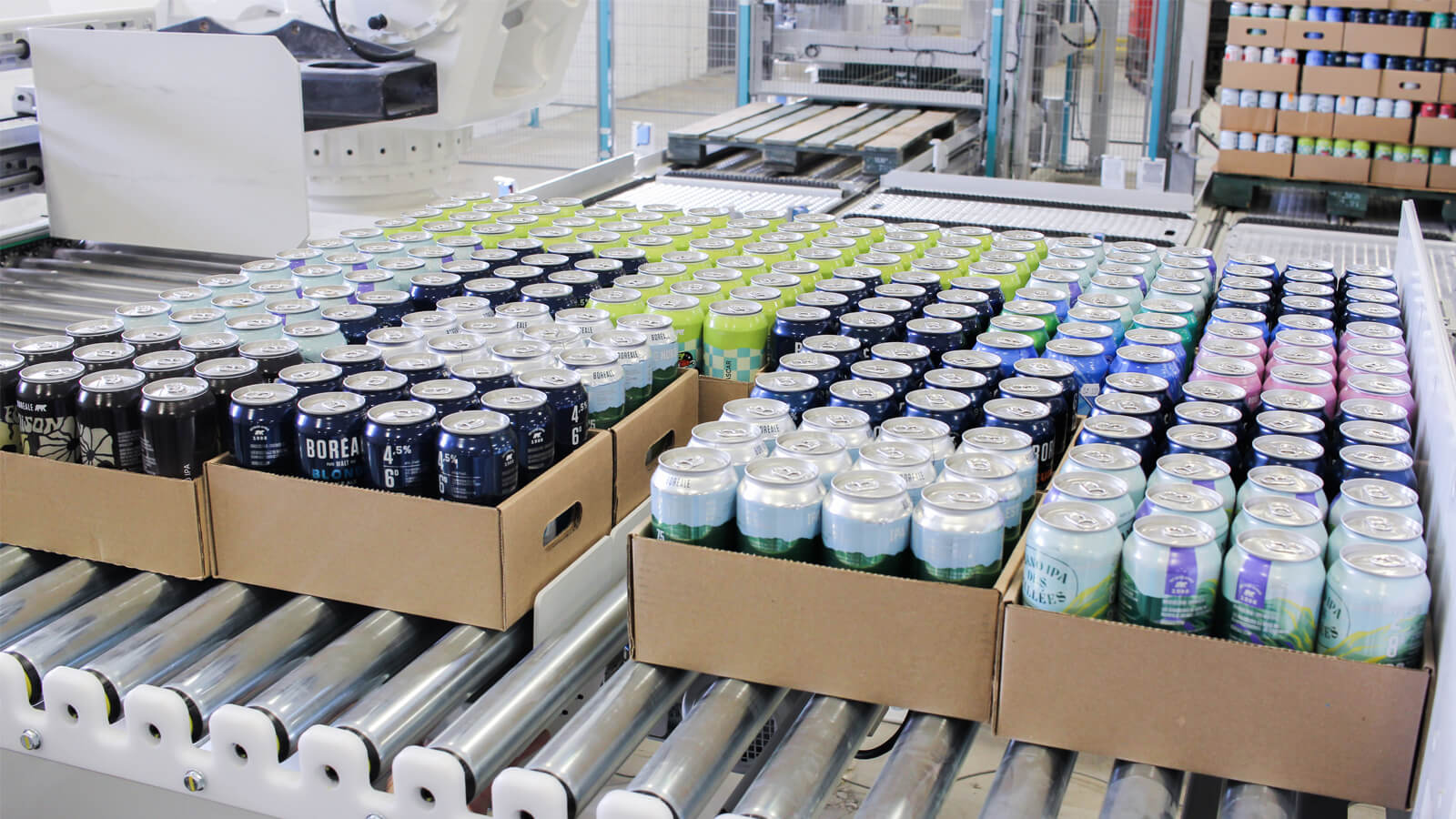
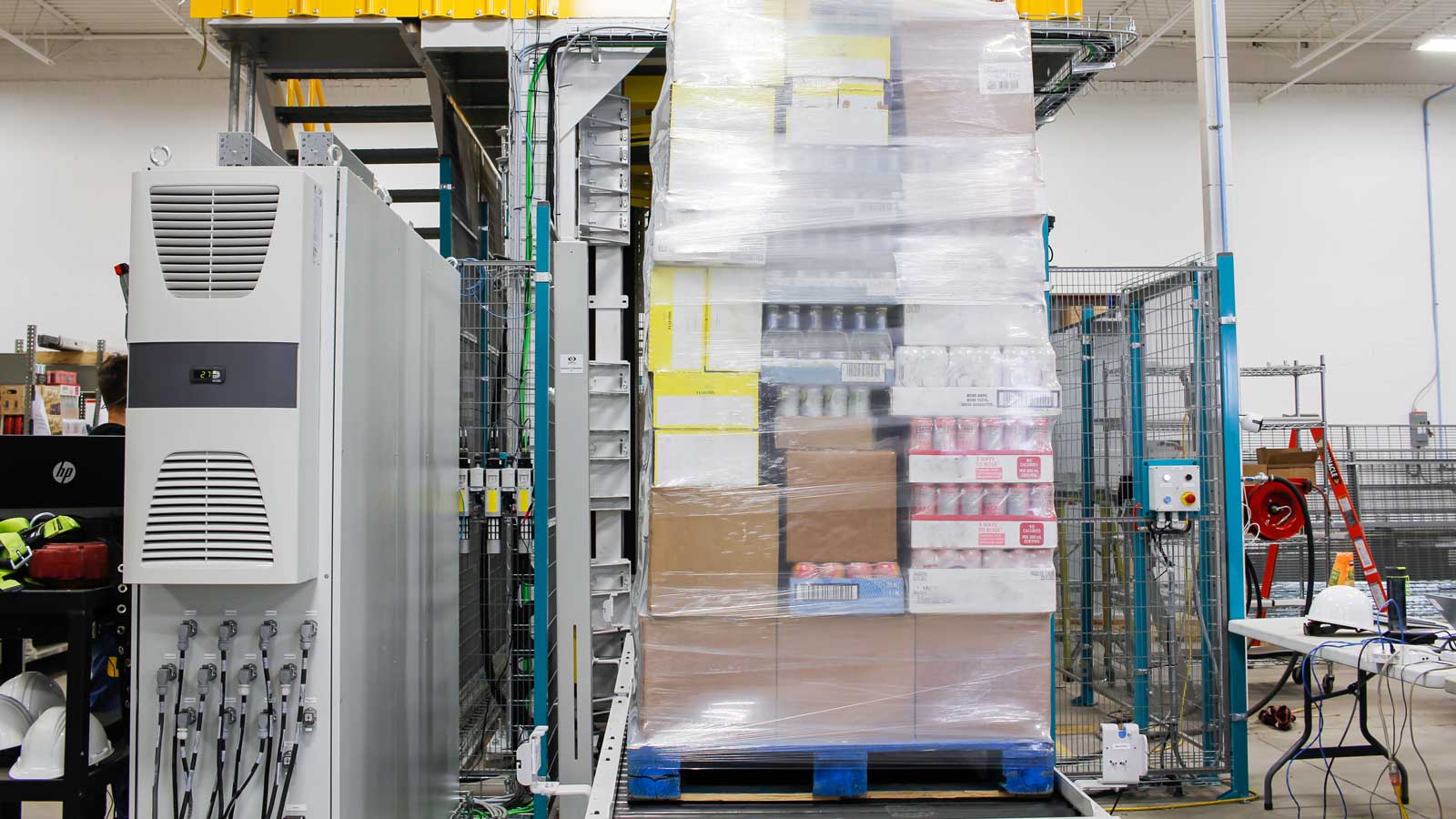
Advanced systems can handle a wide variety of packaging types, including shrink-wrapped bundles, corrugated boxes, and plastic totes. Some platforms support mixed-case palletizing, where different SKUs are arranged based on shipping requirements or retail planograms. This flexibility allows facilities to meet diverse customer demands without sacrificing speed or accuracy.
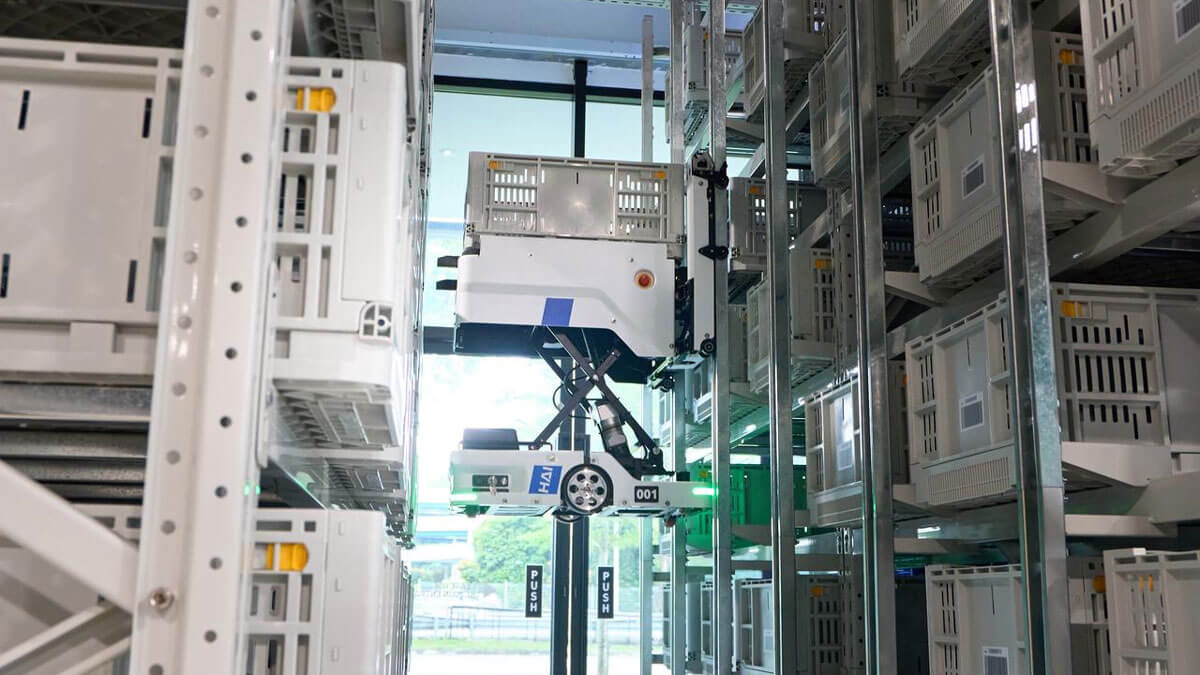
Robotic case picking systems often integrate with conveyors, sortation zones, and automated storage and retrieval systems (AS/RS). This creates a continuous flow of goods from receiving to shipping, reducing manual touchpoints and improving overall efficiency.
When Case Picking Robots Make the Most Sense
Case picking automation is especially effective in:
- Facilities with high outbound volume and repetitive case handling
- Retail and beverage distribution centers with standardized packaging
- Operations where manual palletizing slows throughput
- Environments seeking to reduce workplace injuries and improve consistency
These systems are particularly valuable in facilities where labor availability is inconsistent or where ergonomic risks are high due to repetitive lifting. By automating these tasks, companies can reallocate labor to more strategic roles while maintaining consistent performance across shifts.
The Strategic Value of Case Picking Automation
Robotic case picking delivers more than just labor savings. It helps standardize pallet builds, reduce damage during handling, and improve overall warehouse efficiency. With fewer errors and less variability, outbound shipments become more predictable and easier to manage. Robots also support continuous operation, helping facilities meet tight shipping windows and seasonal demand spikes.
- Increased throughput with consistent case handling
- Reduced labor strain and improved workplace safety
- Standardized pallet builds for shipping and storage
- Seamless integration with upstream and downstream systems
Design Considerations for Case Picking Systems
When evaluating case picking automation, several factors should be considered to ensure the system meets both current and future operational needs:
- SKU variety: Systems must be able to handle the range of case sizes, weights, and packaging types in your inventory.
- Pallet patterns: Some operations require custom stacking logic based on shipping requirements or retail display needs.
- Inbound vs. outbound flow: Determine whether the system will support palletizing, depalletizing, or both.
- Integration points: Case picking robots should connect smoothly with conveyors, sorters, and warehouse management systems (WMS).
- Scalability: Consider how easily the system can expand to support growth or adapt to changing product mixes.
KPI Solutions helps navigate these considerations to ensure the final system is not only technically sound but also operationally strategic.
KPI Solutions: Engineering Efficiency Into Every Pick
KPI Solutions designs and integrates case picking systems that match your facility’s layout, product mix, and throughput goals. We assess your operational needs and recommend robotic solutions that improve speed, accuracy, and safety. From concept to commissioning, KPI ensures your system delivers measurable performance and long-term value.
Our team works closely with technology providers to select the right robotic platform, gripper type, and control software for your application. Whether you’re automating a single zone or deploying a full-scale picking solution, KPI delivers systems that are built to perform and scale. We also provide ongoing support and optimization services to ensure your system continues to meet evolving business needs.
