Scroll Down

The Future of Industry Automation
Autonomous Mobile Robots
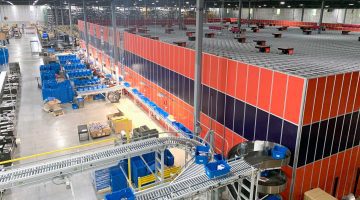
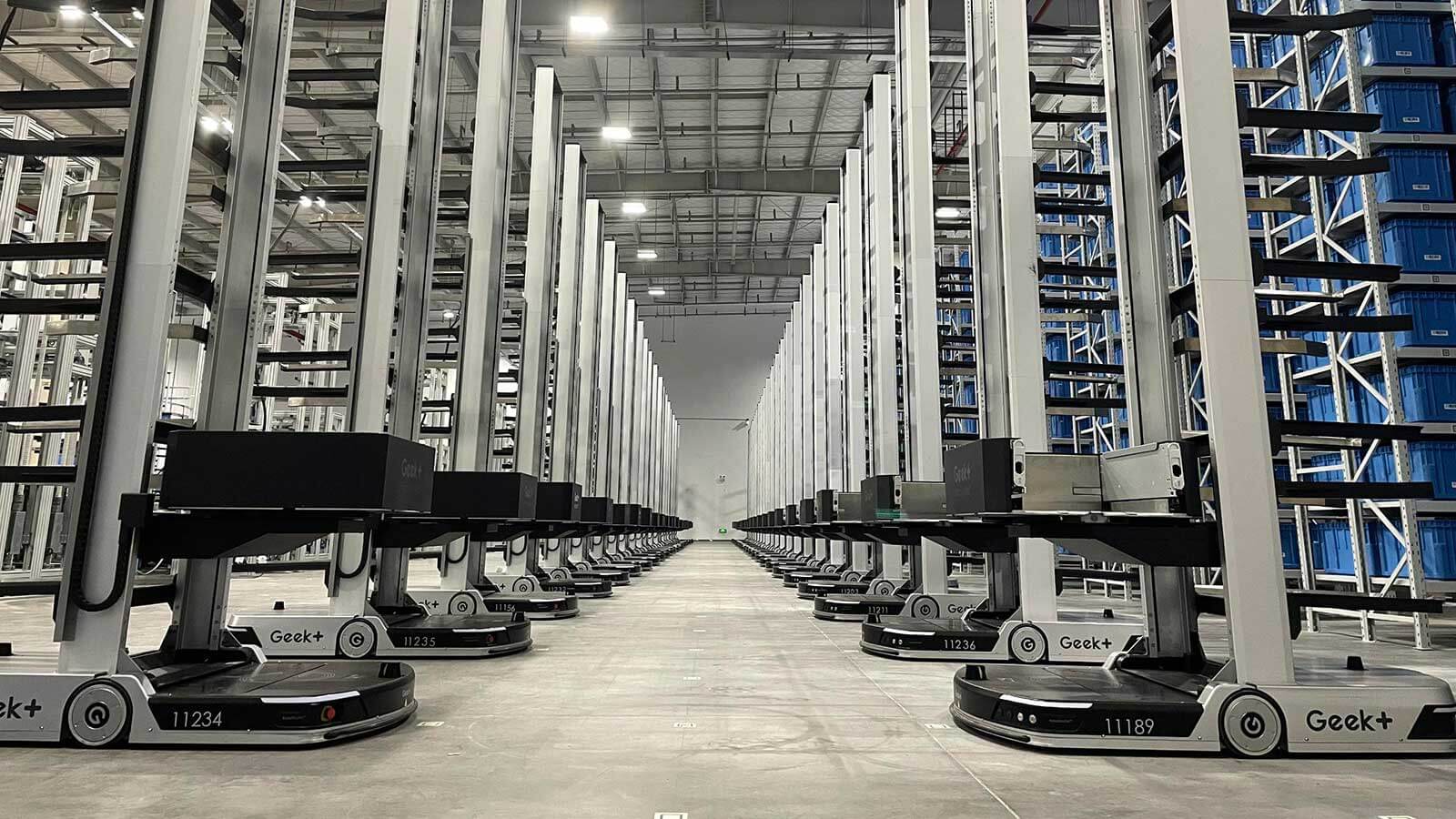
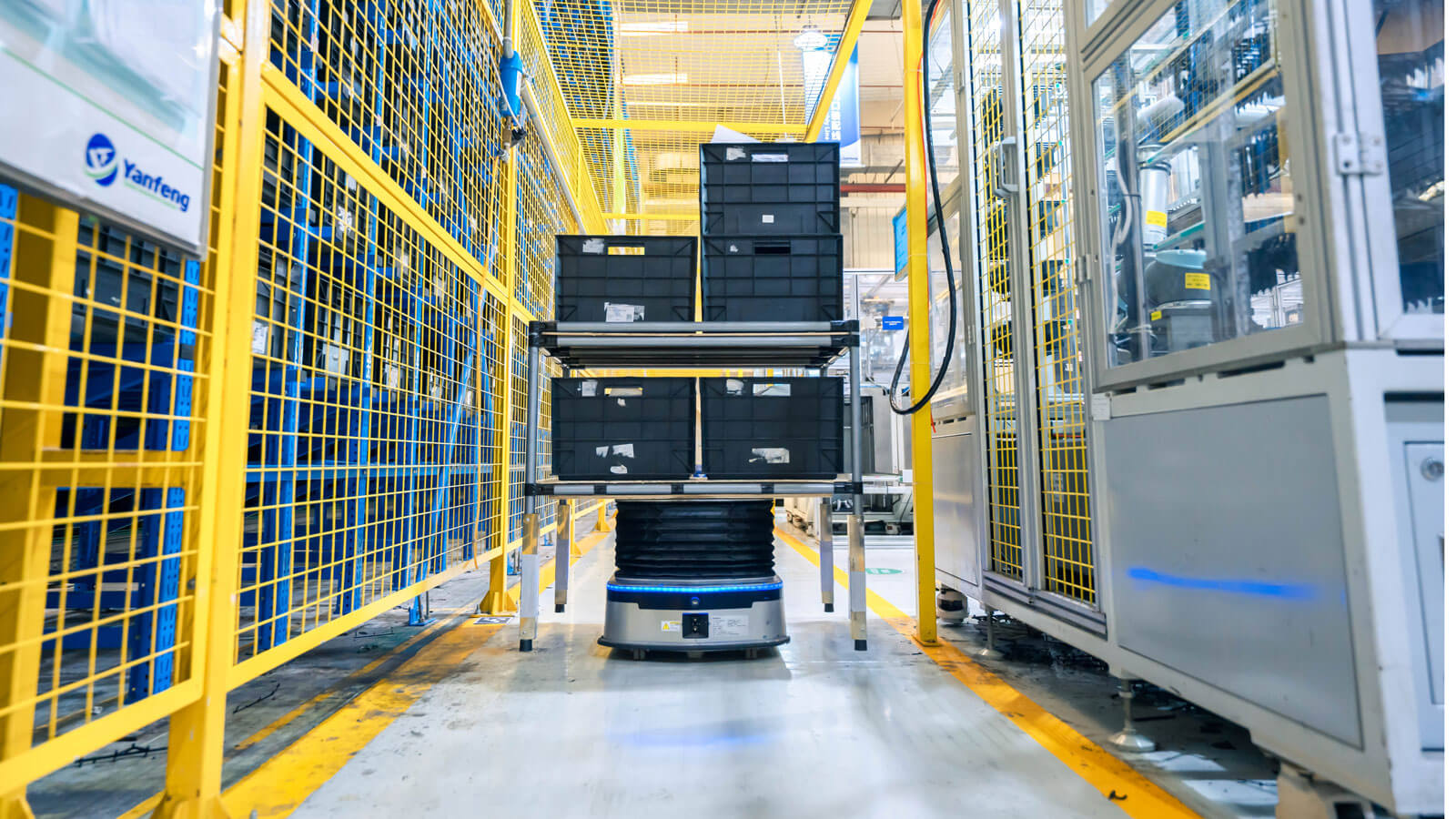
Autonomous Mobile Robots, commonly known as AMRs, represent the pinnacle of modern robotics.
Designed to operate independently without human intervention, AMRs rely on advanced sensors, algorithms, and artificial intelligence to navigate dynamic environments, making them a top choice for industries ranging from food and consumer packaged goods to auto parts and healthcare products.
Is AMR Automation the Right Fit for Your Operation?
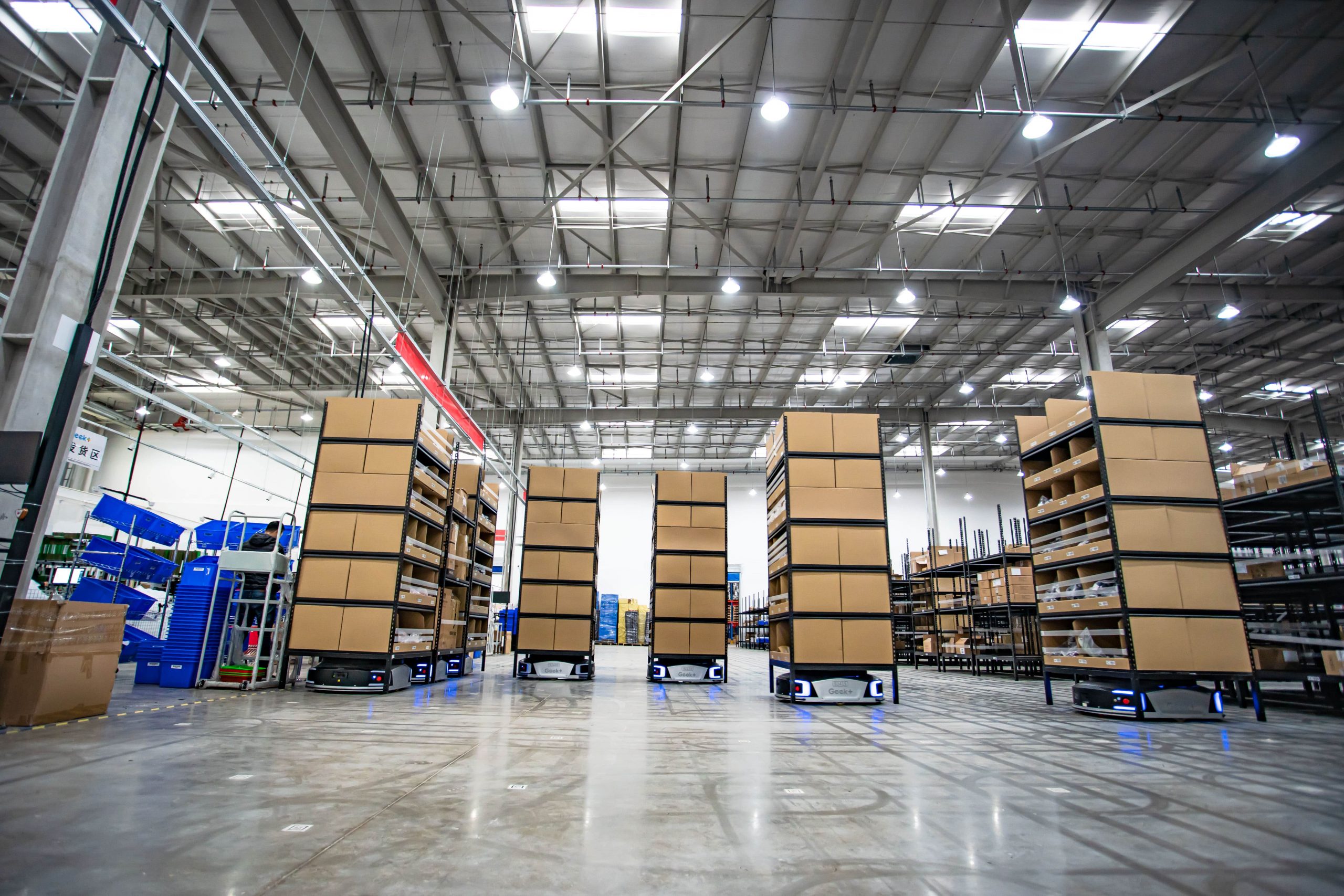
Autonomous mobile robots can play a valuable role in warehouses and distribution environments where movement, coordination, and responsiveness are critical to performance. While not every operation requires robotics, AMRs are often considered when organizations begin evaluating how to improve efficiency without adding unnecessary complexity.
You may be exploring AMRs if your operation:
- Relies heavily on manual transport between zones
- Experiences ongoing labor challenges or high turnover
- Needs to adapt to changing volumes, SKUs, or order profiles
- Is looking to improve throughput without expanding physical space
What AMRs Improve in Your Operation
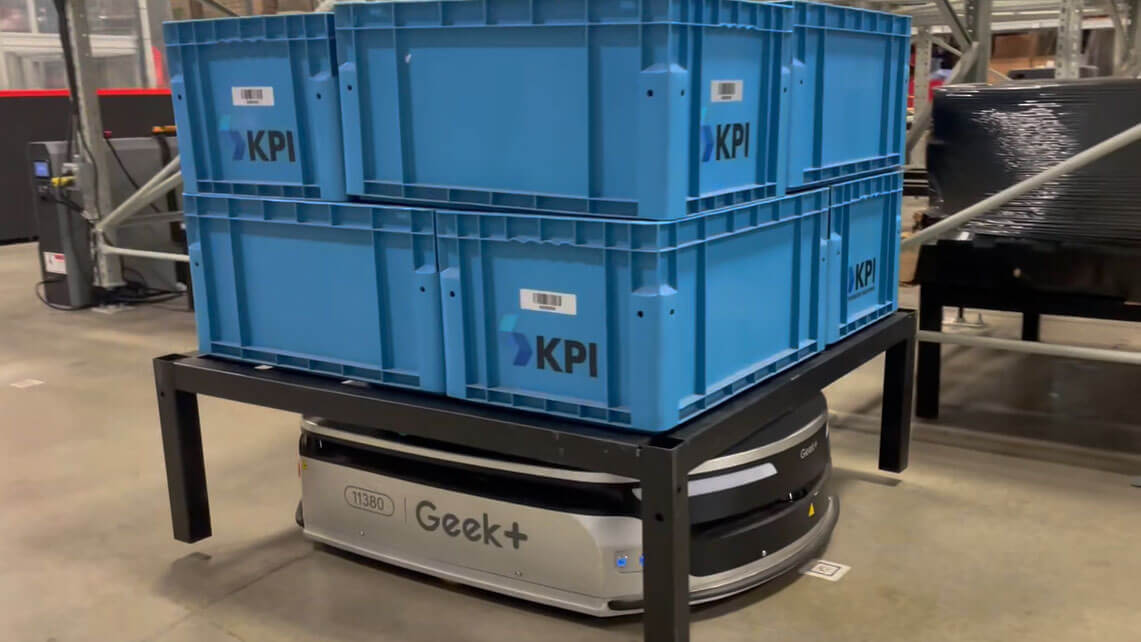
AMRs are designed to support material movement in dynamic environments, helping teams reduce friction in day-to-day workflows. Rather than focusing strictly on technical capabilities, it is helpful to consider how they influence overall performance across the facility.
In many operations, AMRs are used to reduce time spent on non-value-added travel, allowing team members to focus on higher-impact tasks such as picking and quality control. They can also support more consistent material flow between zones, which helps stabilize throughput during periods of fluctuating demand.
Because AMRs operate without fixed paths, they can adapt to layout changes or temporary obstructions, offering a level of flexibility that is difficult to achieve with traditional infrastructure-based systems. At the same time, built-in safety features can help create a more controlled environment for both people and equipment.
Over time, the data generated through AMR activity can provide additional visibility into how work moves through the operation, supporting ongoing refinement and optimization efforts.
Where AMRs Deliver the Most Value
AMRs are most effective when applied to specific workflows where movement and coordination are critical to performance. Their value becomes clearer when aligned with defined operational use cases.
Common applications include supporting goods-to-person picking environments, moving inventory between zones in order fulfillment workflows, and delivering materials to workstations in manufacturing settings. They are also often used for replenishment and returns handling, where consistent transport between locations is required.
Building the Business Case for AMRs
Evaluating AMRs typically involves more than reviewing technology capabilities. It requires an understanding of how the solution fits within the broader operational and financial picture.
For many organizations, the business case centers on reducing dependency on manual transport, improving the consistency of throughput, and creating a more scalable approach to handling growth or seasonality. Because AMRs do not require fixed infrastructure, they can also offer a path toward automation that remains adaptable as the operation evolves.
Rather than relying on assumptions, many companies choose to validate these considerations through analysis, modeling, or phased deployment strategies before making long-term decisions.
AMRs Compared to Other Automation Options
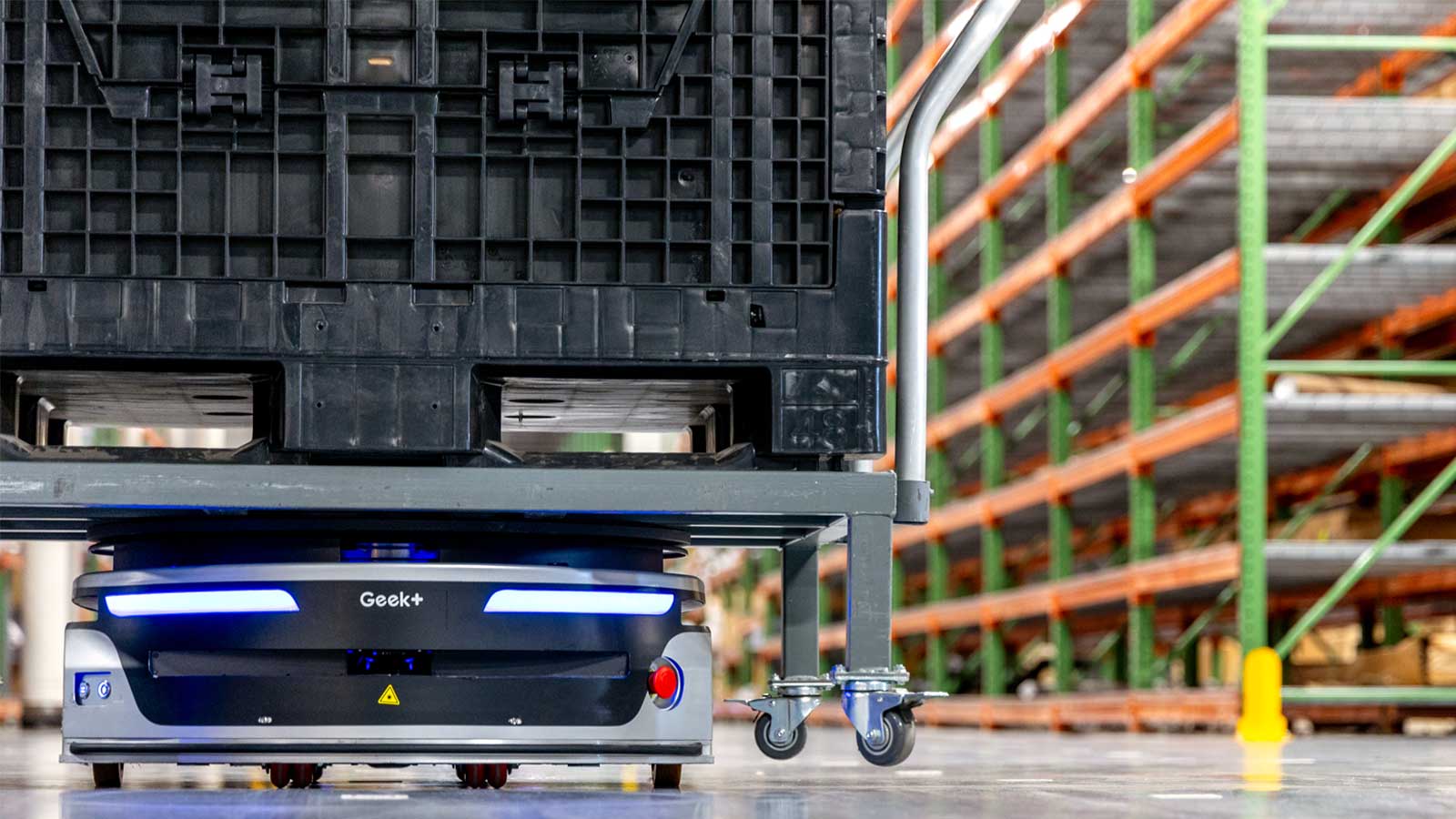
Unlike automated guided vehicles, which typically follow fixed paths, AMRs navigate dynamically and can adjust routes in real time. This makes them well-suited for environments that change frequently or require greater flexibility.
Compared to conveyor-based systems, AMRs do not require permanent infrastructure, which can make them easier to implement in facilities where layouts may evolve. While conveyors can be effective for high-volume, repeatable flows, AMRs are often considered when adaptability is a priority.
What to Look for in an AMR Integration Partner
Successful AMR deployments depend not only on the technology itself, but also on how well it is integrated into the operation. This makes the role of the integration partner especially important.
An experienced partner will take the time to understand your workflows, constraints, and long-term goals before recommending a solution. This often includes evaluating how AMRs interact with existing systems, identifying potential bottlenecks, and ensuring the solution is designed to support real operational conditions.
Capabilities such as system design, simulation, and software integration are key considerations, along with ongoing support after implementation. A thoughtful approach at this stage helps ensure the solution aligns with both current needs and future growth.
Our Experience, Proven in Real Operations Case Studies
Outdoor Network
See If AMRs Fit Your Operation
At KPI Solutions, automation starts with understanding your operation. Our team takes a practical, technology-neutral approach to evaluating where autonomous mobile robots fit within your workflows, helping you move forward with clarity and confidence. Connect with our experts to explore how AMRs can support your goals and to outline a path that aligns with your operation today and as it evolves.
Frequently Asked Questions
1. How do AMRs fit into an existing warehouse without major disruption?
AMRs are typically introduced in a way that aligns with current workflows, allowing operations to continue running while automation is layered in. Because they do not rely on fixed paths or infrastructure, they can often be integrated alongside existing processes and adjusted over time as needs evolve.
2. What types of facilities are best suited for AMRs?
AMRs are commonly considered in distribution centers, manufacturing facilities, and fulfillment environments where material needs to move frequently between locations. They are especially relevant in operations with dynamic workflows or changing layouts.
3. How do AMRs interact with warehouse systems like WMS or WES?
AMRs are generally connected to warehouse software systems to receive task assignments and share operational data. This integration allows movement to be coordinated with picking, replenishment, and order fulfillment processes across the operation.
4. Can AMRs scale as my business grows?
AMR systems are often evaluated for their ability to scale over time. Additional robots can typically be introduced as volumes increase, allowing the system to expand in alignment with operational demand rather than requiring a complete redesign.
5. What should I consider before investing in AMRs?
Key considerations usually include current workflow challenges, order profiles, facility layout, and long-term growth plans. Many organizations begin with a detailed assessment to better understand where AMRs may provide value before making a decision.
6. How do AMRs impact warehouse labor?
AMRs are often used to support teams by handling repetitive transport tasks, which can allow workers to focus on more complex activities. The goal is typically to improve how labor is utilized rather than replace it entirely.
7. How long does it take to evaluate and implement an AMR solution?
Timelines can vary depending on the scope of the operation and the complexity of the solution. Many projects begin with a discovery and design phase, followed by testing and phased deployment to ensure alignment with real-world conditions.
8. Are AMRs only used for order fulfillment?
While order fulfillment is a common application, AMRs can also support other workflows such as replenishment, manufacturing line-side delivery, and internal material transport. Their flexibility allows them to be applied across multiple areas of an operation.
9. How do companies typically get started with AMRs?
Many organizations start with a focused evaluation or pilot to better understand how AMRs perform in their environment. This approach helps validate assumptions and build confidence before expanding into a broader deployment.
10. What role does an integrator play in an AMR project?
An integrator helps ensure that AMRs are aligned with your workflows, systems, and operational goals. This includes designing the solution, coordinating technologies, and supporting implementation so that the system functions as intended within your environment.