A Smarter Spare Parts Strategy: How to Keep Your Automation Running

Automated distribution systems are made up of thousands of moving components. Conveyor motors, drives, sensors, gearboxes, PLCs, and controls all work together to move product through your facility. When one part fails, the effect rarely stays isolated. A single failed component can slow a zone, stall a line, or stop throughput while your team scrambles to find a replacement.
A spare parts strategy helps operations teams close the gap between failure and recovery. Done well, it keeps machines running, protects your service commitments, and turns an unplanned outage into a quick swap rather than a multi-day wait. This is the heart of what LifeTime Support helps our customers put in place.
Uptime Is the Real Objective
Every hour a system sits idle costs money. Orders back up, labor stands by, downstream stations go quiet, and the pressure to catch up builds through the rest of the shift. In a peak-driven distribution environment, lost throughput is difficult to recover once it slips away.
A spare parts program protects uptime. When the right component is already on the shelf, maintenance can act immediately. Recovery becomes a matter of minutes or hours instead of the days it can take to source, ship, and receive a part that was never stocked. A well-built strategy turns your maintenance team into a first responder rather than a purchasing department.
Equipment Age Changes the Parts Equation
The age of your equipment should shape how you think about spares. A newly commissioned system tends to have strong parts availability, current supplier support, and predictable lead times. That picture shifts as equipment moves through its lifecycle.
As systems age, several things happen at once. Component wear becomes more frequent, so the odds of a failure rise. Manufacturers begin phasing out older parts, which stretches lead times and, in some cases, forces a redesign or substitution. End-of-life announcements can arrive with limited warning, leaving a narrow window to secure the components you depend on.
Older equipment strengthens the case for holding critical spares on site. When a legacy drive or controller becomes hard to source on the open market, an on-hand spare is often the fastest path back to full production. Reviewing parts availability against each system’s age helps you stay ahead of obsolescence instead of reacting after a failure.
Having Enough of the Right Parts on Hand
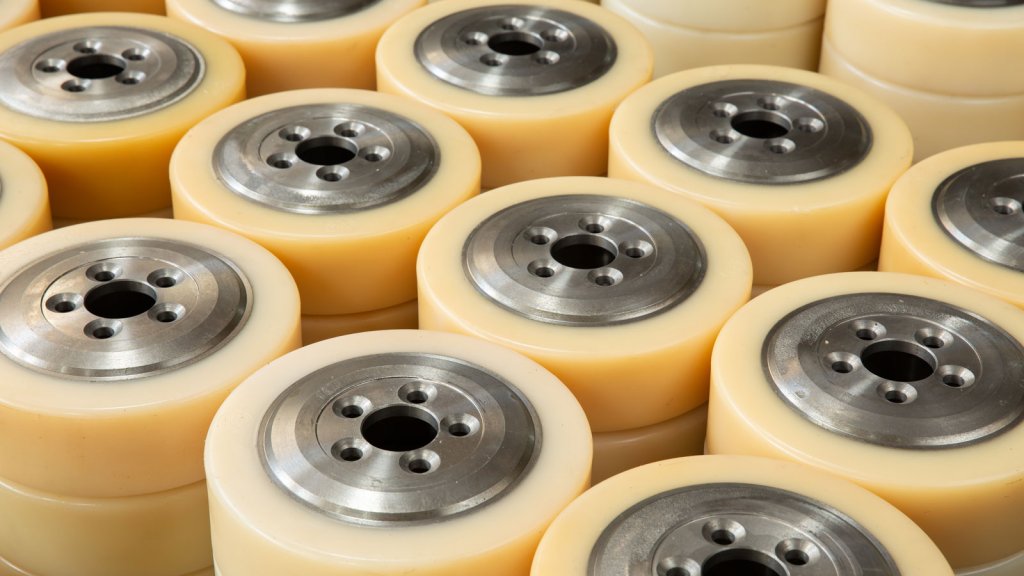
Enough parts on hand is the foundation of the whole strategy. The challenge is defining what “enough” means for your specific operation. Stocking every possible component ties up capital and warehouse space. Stocking too little leaves you exposed to the failures most likely to stop production.
The answer is a curated list built around risk. That means identifying:
- Single-point-of-failure components: parts with no easy workaround if they go down.
- Critical and high-risk parts: components whose failure would stop or severely limit throughput.
- Long-lead items: parts with extended manufacturing or shipping timelines, where a stockout means an extended outage.
- Wear items: belts, bearings, sensors, and other components with predictable replacement cycles.
Balance: The Right Parts in the Right Quantity
A strong spare parts strategy balances readiness against carrying cost. The goal is coverage on the failures that matter most, without over-investing in components that are easy to source or unlikely to fail. Organized, well-labeled storage keeps those parts findable when a technician needs one at 2 a.m., and integrating your spares into a CMMS gives you visibility into what you have, what you have used, and what to reorder.
That balance is easier to maintain when you review spares on a regular cadence. Equipment ages, usage patterns change, and new failure trends emerge. A parts list that made sense at commissioning may need adjustment a few years into operation.
How LifeTime Support Enhances Your Strategy
LifeTime Support helps you keep your systems running across their full lifecycle. Our spare parts support brings together the pieces that make a strategy work in practice:
- A Recommended Spare Parts List tailored to your system and its risk profile.
- Access to genuine OEM replacement parts across a wide range of warehouse automation technologies.
- Around-the-clock sourcing support, including hard-to-find and legacy components.
- A single point of contact for the parts across your KPI-supplied systems.
- Storage and CMMS integration guidance to keep your spares organized and tracked.
Spare parts strategy is one of the most direct levers for uptime. By matching your parts plan to your equipment’s age and keeping enough of the right components on hand, you protect throughput, shorten recovery times, and keep your machines running when it counts.
Ready to build a spare parts strategy around your systems? Contact the KPI LifeTime Support Team to get started.
Categories (tags):