

Build a Future-Ready Distribution Hub

Feasibility first, then design that performs from day one.

Launch your next warehouse with confidence. KPI Solutions supports greenfield warehouse programs from early feasibility through go live and steady state optimization. We align building design, material flow, automation, and software so your new operation scales with demand, lowers operating costs, and improves order speed and accuracy from day one.

What is a Greenfield Warehouse?

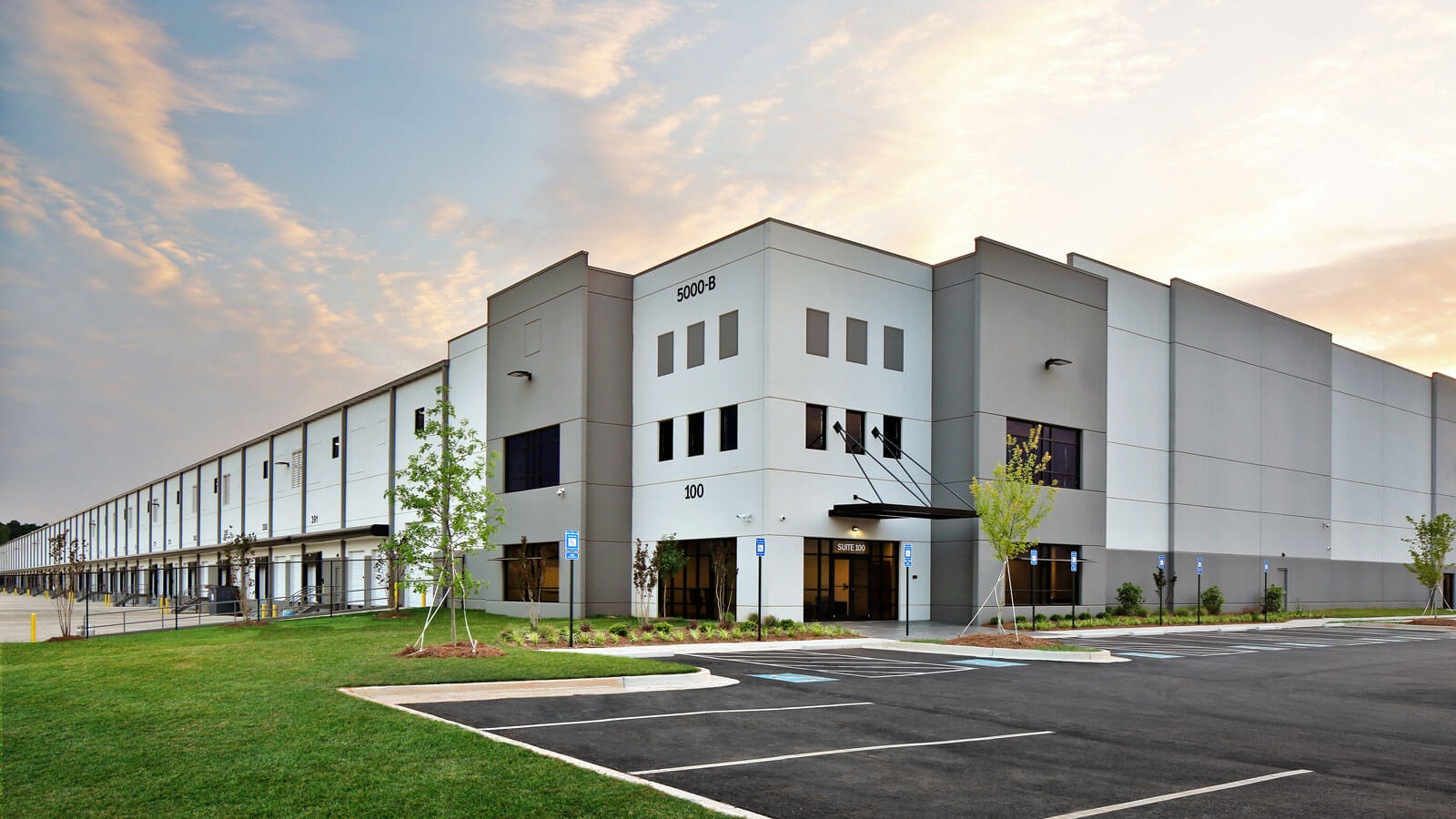
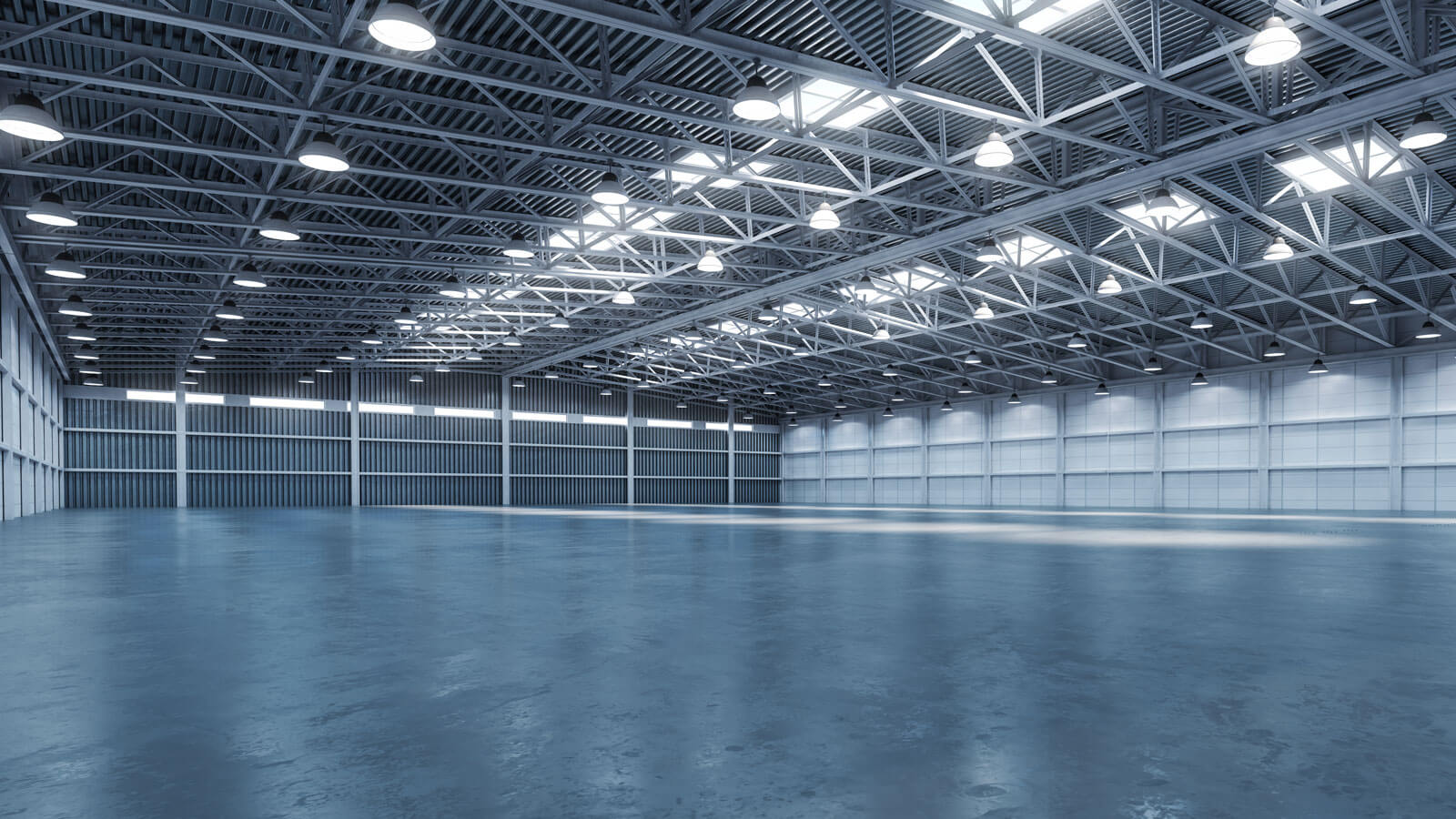
A greenfield warehouse is a new facility built from the ground up on a new site. Because there are no legacy layouts or equipment constraints, greenfield projects allow you to design the end-to-end flow first, then select building attributes and automation that support it. That creates a foundation for consistent execution, clearer operational visibility, and a facility that can adapt as volumes, product mix, and channel requirements evolve.

Common greenfield applications include regional and national distribution centers, high-velocity e-commerce fulfillment operations, and temperature-controlled cold chain facilities. Each benefits from a layout tuned to SKU profiles, order patterns, and service-level targets, with flexibility designed in for change.

When teams are deciding between new construction and a retrofit, KPI can model both paths. The goal is a clear comparison of constraints, schedule risk, and long-term operating implications so you choose the approach that best supports your growth plan and timeline.

Greenfield Warehouse

When Greenfield is the Right Move

Greenfield warehouse programs typically make sense when your network needs a meaningful step forward in capacity, service speed, storage strategy, or operating consistency. Greenfield can also be a strong fit when current sites have limited expansion options, when service areas are shifting, or when future automation is easier and more cost-effective to design into the building now rather than retrofit later.

Because early decisions shape performance for years, KPI focuses on right-sizing and operational practicality. The best design balances throughput goals, staffing realities, maintenance access, safety, changeover flexibility, and a clear upgrade path.

Supply Chain Solutions Consulting at KPI Solutions

Feasibility That Stands Up to Scrutiny

Feasibility is where assumptions become an operating plan. KPI Solutions supports feasibility with a structured approach to site evaluation and business case validation, including:

  • Transportation access and service radius for inbound and outbound flows
  • Utilities and infrastructure capacity for automation and refrigeration
  • Zoning, permitting readiness, and construction schedule risk
  • Workforce availability, shift strategy, and labor cost outlook

We translate these findings into an operating model that stakeholders can validate. That model becomes the foundation for layout, material handling selection, software requirements, and a defensible investment case.

Greenfield Warehouse Consulting from KPI Solutions

KPI Solutions serves as a single accountable partner across the full project lifecycle. We connect strategy to design, and design to execution, so the facility, automation, and software operate as one system.

Facility and Material Flow Design

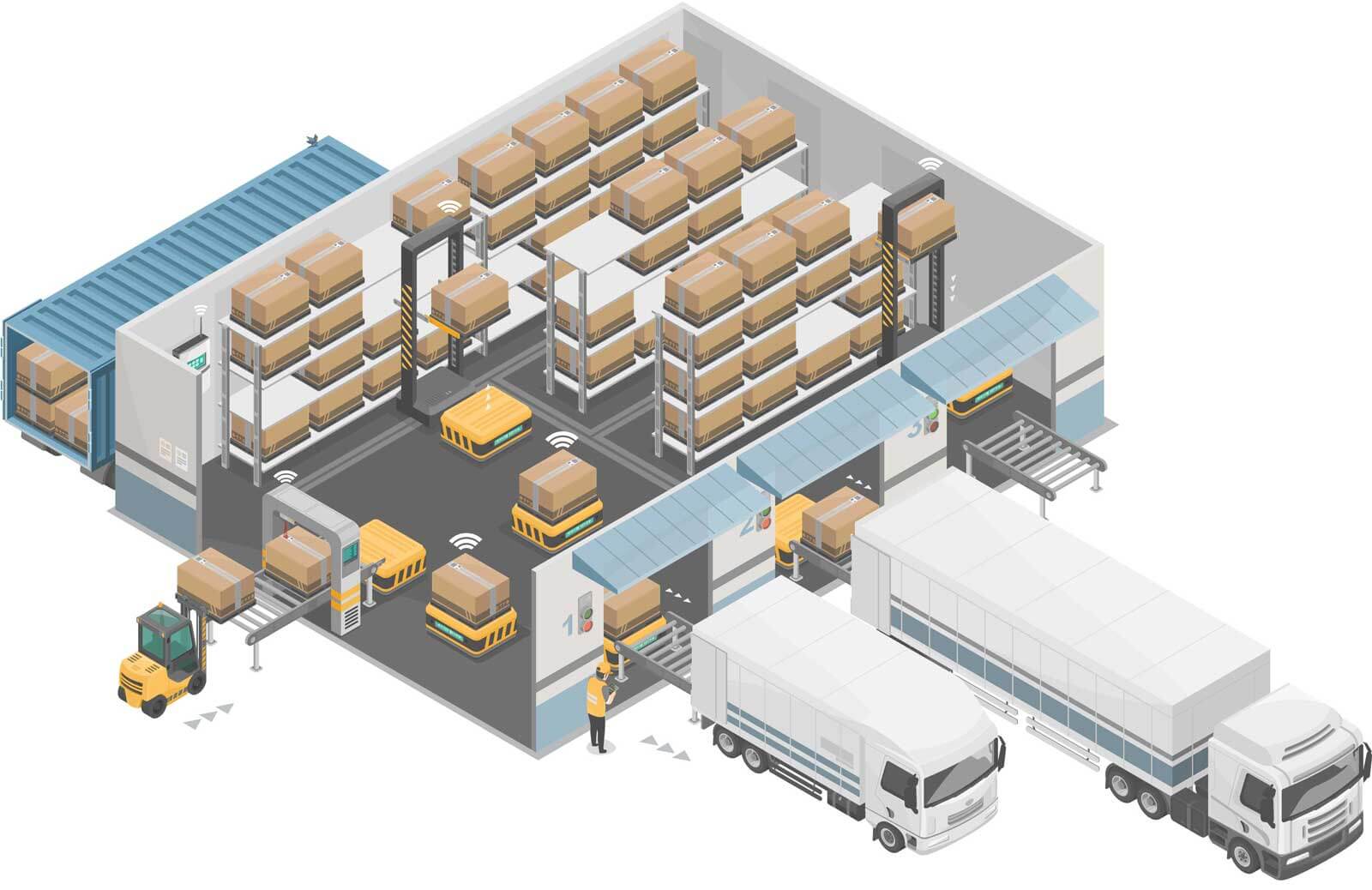
We design receiving, storage, picking, packing, and shipping as a connected flow. Layout decisions are based on SKU velocity profiles, order structure, inbound variability, peak planning, and service commitments. We also plan for change by identifying practical expansion paths such as mezzanines, additional dock capacity, new temperature zones, and future automation cells.

Distribution Center Design Consulting

Automation and Material Handling Integration

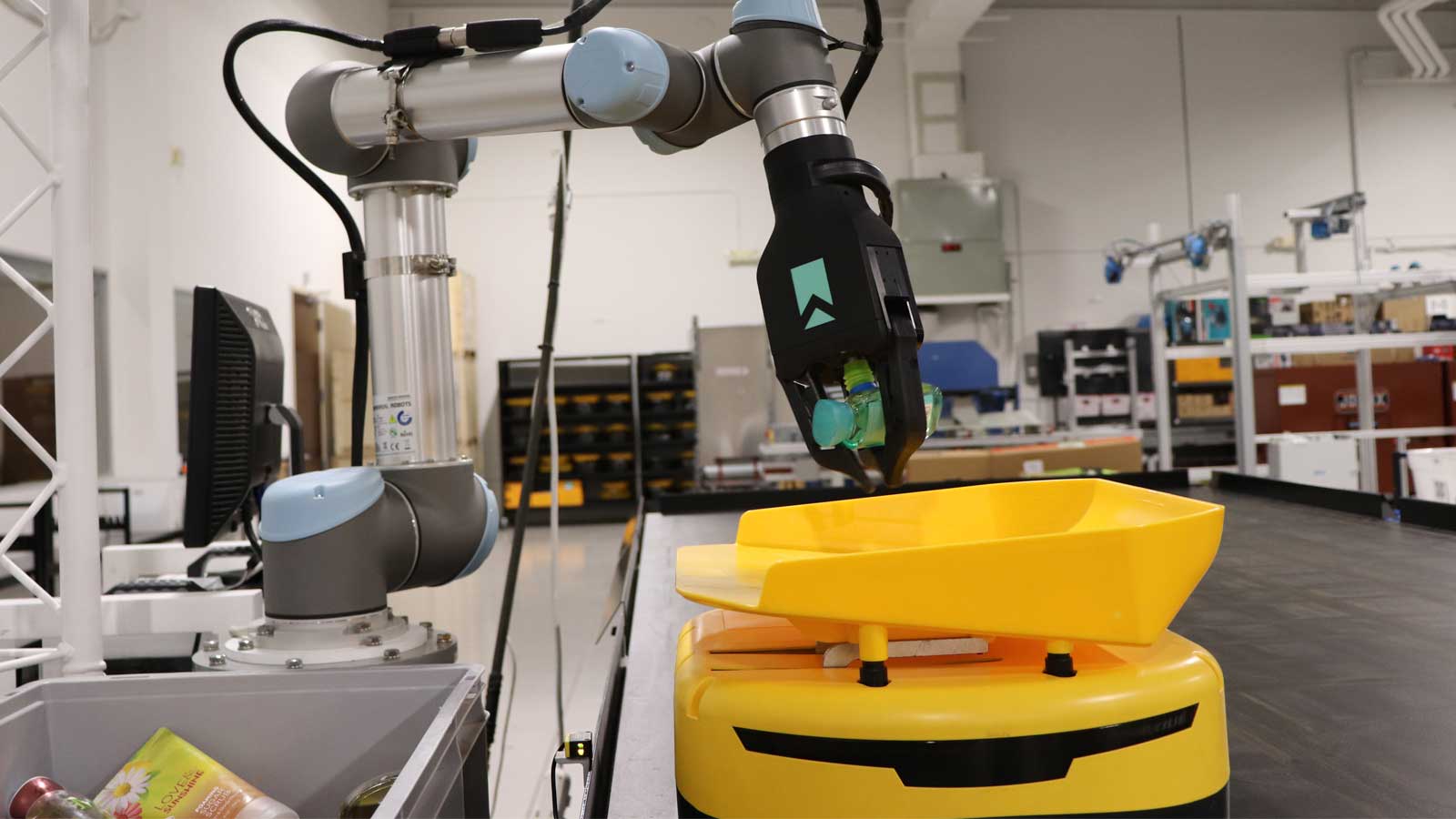
Automation is selected and sized around your throughput needs, SKU mix, and labor strategy. Depending on requirements, solutions may include AS/RS and shuttles, high-density pallet storage, goods-to-person workstations, AMRs and AGVs, conveyor and sortation, put walls, print-and-apply, and automated packing. KPI evaluates scenarios to meet peak volume, temperature zoning, and service targets while maintaining realistic uptime expectations and maintainability.

Robotic arm picking a product from a bin and placing it onto a sortation robot in a fulfillment center.

Software That Orchestrates Performance

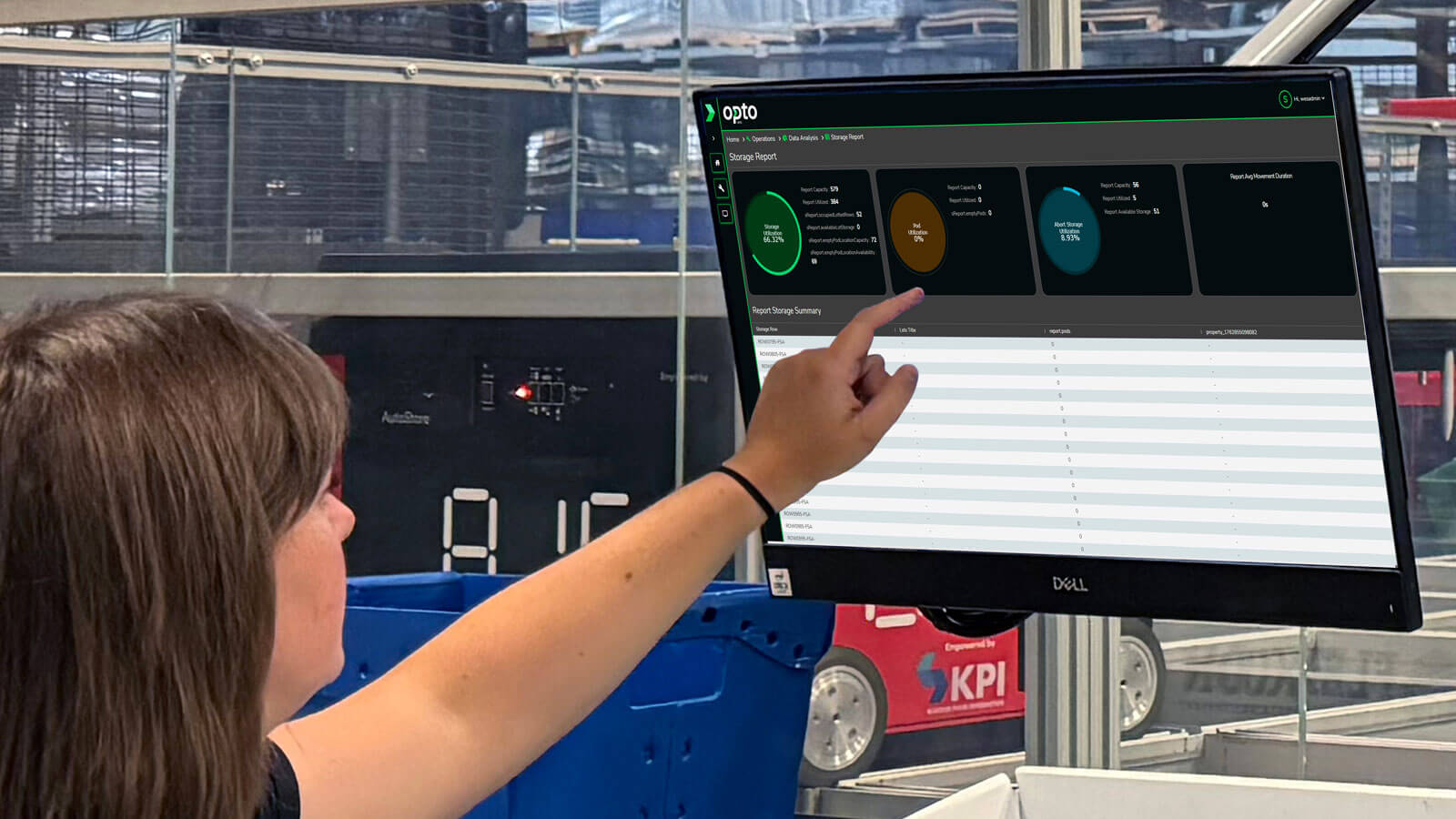
Greenfield facilities perform best when controls and visibility are designed in from the start. KPI designs and deploys software that connects orders, inventory, labor, and equipment status into one operating picture. Your teams gain real-time visibility, structured exception handling, and decision logic that keeps work moving as conditions change.

Capabilities often include unified WMS and WES control, dynamic tasking, wave-based or waveless orchestration, slotting support, congestion management, and performance analytics that enable continuous improvement.

Opto Screen Demo

A Roadmap That Reduces Risk

Greenfield programs move faster and with fewer surprises when the project is staged with clear deliverables and validation gates. KPI’s approach typically includes feasibility and operating model definition, concept layout development, simulation and scenario testing, detailed design and specifications, procurement coordination, installation and integration, structured testing and training, and a controlled ramp into steady-state operations.

Outcomes We Design For

We design greenfield warehouses for measurable operational outcomes tied to service, cost, and scalability. While results vary by product profile, service requirements, and automation level, teams commonly target improved throughput capability, higher space utilization, fewer touches per order, stronger inventory accuracy, faster dock-to-stock, and lower total cost of ownership through right-sized systems and energy-conscious design choices.

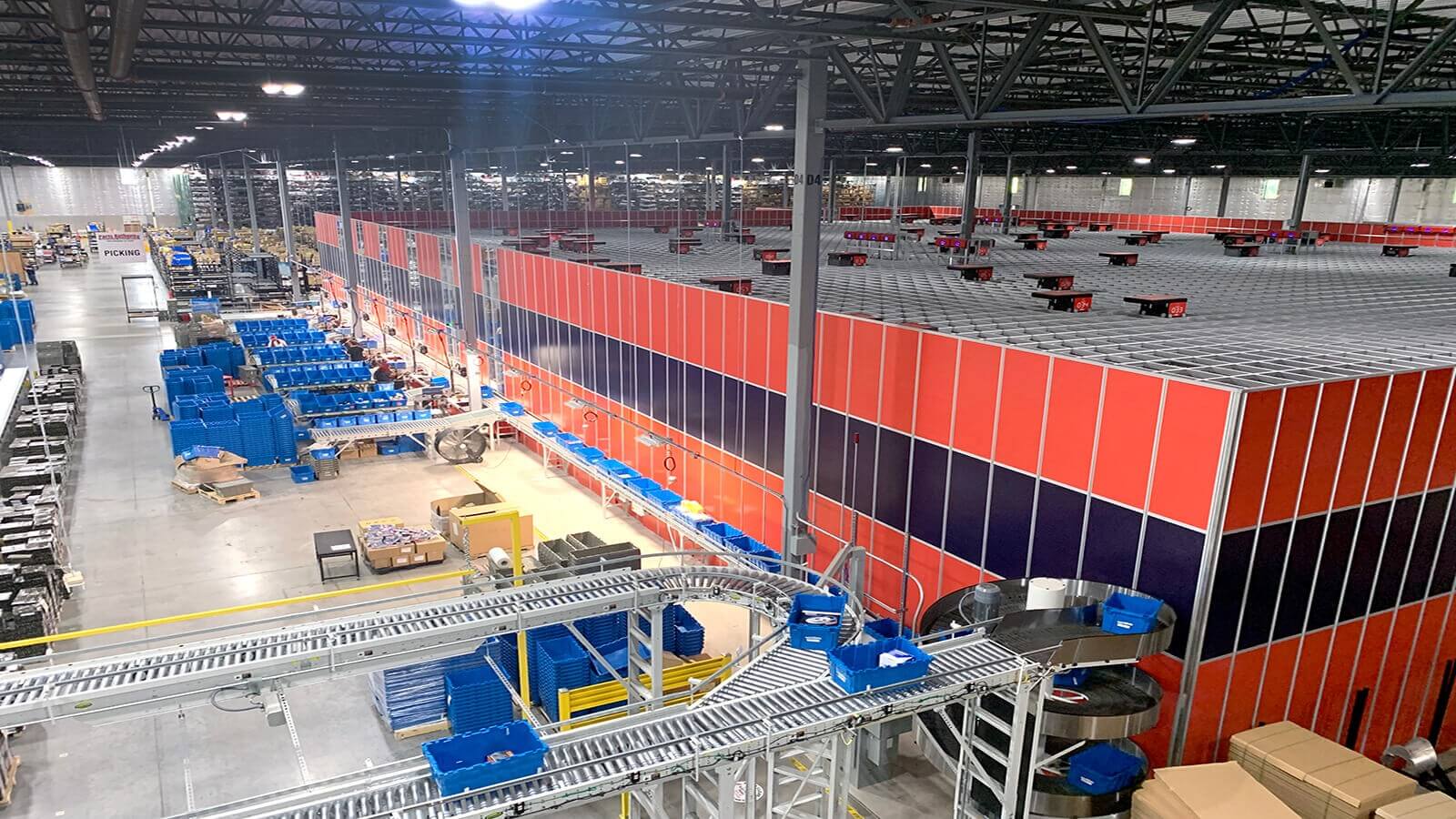
Warehouse Overview

Design Considerations That Matter in Greenfield Projects

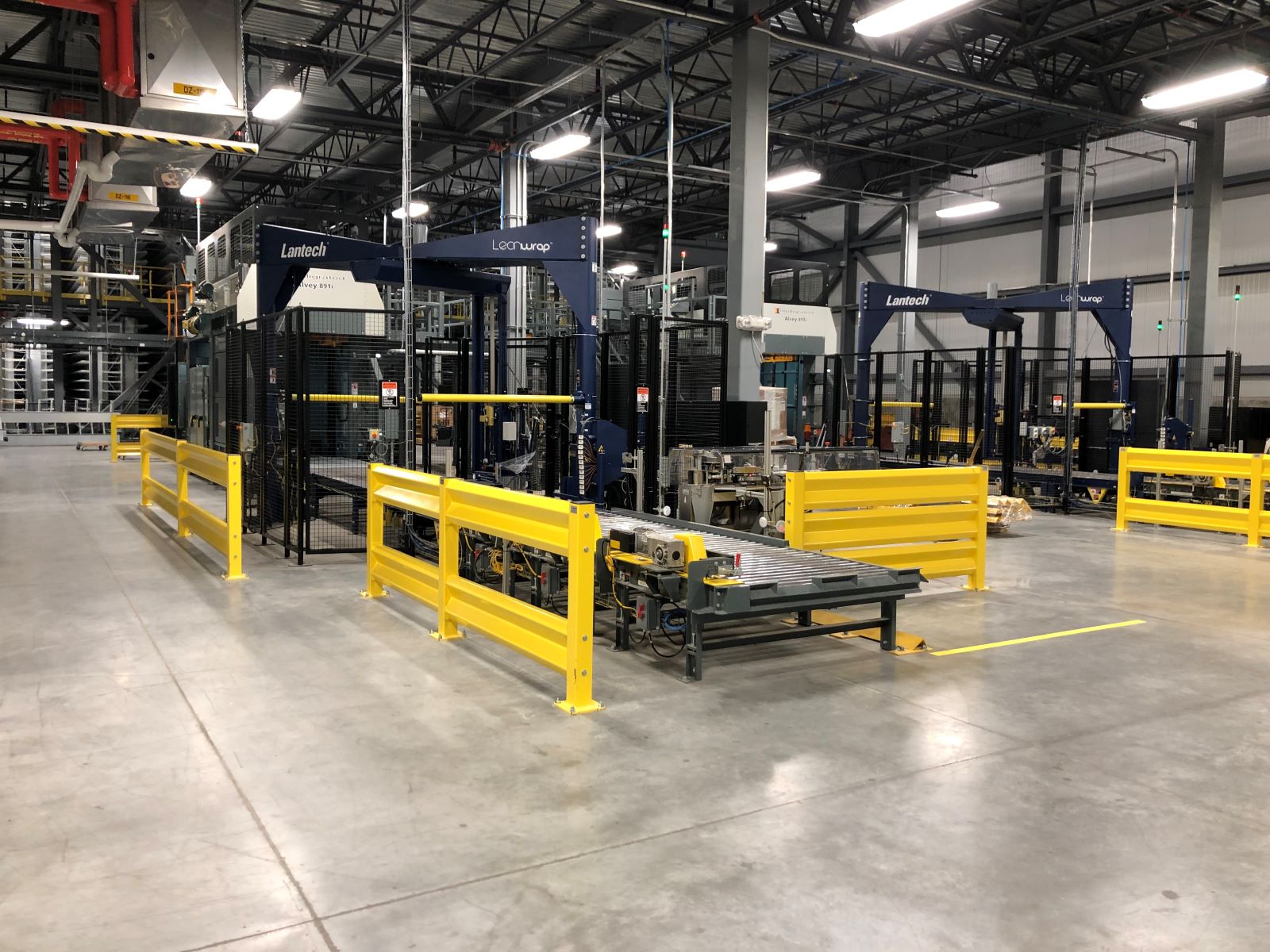
A high-performing greenfield warehouse design accounts for building and operational realities that can be difficult to correct later. We incorporate considerations such as clear height and structural bay spacing, dock strategy and yard flow, fire protection and code compliance, temperature zoning and envelope requirements, maintenance and battery charging space, safe pedestrian and equipment separation, and utility routing that supports future expansion.

We also plan for operational flexibility, including replenishment strategy, returns handling, value-added services, and how seasonal peaks change labor and flow requirements. These elements protect performance as the business evolves.

beef-cold-storage-fulfillment-3

Your Technology Ecosystem, Connected from Day One

Greenfield success depends on how well systems connect, not only which systems you select. We design the software and integration architecture so execution is consistent across planning, operations, and shipping.

That typically includes integration with ERP, OMS, TMS, parcel systems, labor management, and reporting layers. The goal is a connected ecosystem where data flows cleanly, exceptions are actionable, and teams have the visibility they need to manage service performance without relying on manual workarounds.

Common Pitfalls That Delay Go-Live or Limit Performance

Greenfield programs often run into avoidable issues when decisions are made in isolation. We help clients prevent problems such as sizing automation based on average volume instead of peak patterns, underestimating inbound variability and replenishment needs, overlooking utility capacity and lead times, designing layouts that limit maintenance access, skipping simulation and stress testing, and leaving integration ownership unclear across vendors.

Addressing these risks early protects schedule, reduces rework, and improves day-one stability.

Comparing-Warehouse-Software-Systems-WCS-WES-WMS-Blog

Request a Feasibility Assessment

If you are evaluating a new site, validating a business case, or ready to move into design, KPI Solutions can help you create a greenfield warehouse facility design that performs on day one and supports growth for years.


Frequently Asked Questions (FAQs)

1. How long does a greenfield warehouse project typically take?

Timelines vary based on site readiness, permitting, building size, and automation complexity. Most projects move through feasibility, design, construction, and commissioning over multiple phases, with early planning decisions having the greatest impact on overall schedule.

2. How do you plan for future expansion in a new facility?

Expansion planning starts during layout design. This may include reserving floor space, planning structural capacity, leaving room for additional docks, and designing infrastructure that can support future automation or mezzanine levels without major disruption.

3. What role does simulation play in greenfield warehouse design?

Simulation allows teams to model material flow, labor interaction, and system performance before construction begins. It helps identify bottlenecks, validate throughput assumptions, and test different operating scenarios to reduce risk before implementation.

4. How do greenfield warehouses handle seasonal demand peaks?

Designs account for peak demand through a combination of scalable automation, flexible labor strategies, and process planning. This may include staging areas, adjustable workflows, and system configurations that can adapt to fluctuations in volume.

5. What are the key differences between designing for e-commerce vs. retail distribution?

E-commerce operations typically prioritize order picking speed, flexibility, and small order handling, while retail distribution often focuses on pallet movement and store replenishment. Greenfield design aligns layout, storage methods, and automation to the dominant order profile.

6. How do you ensure safety in a highly automated greenfield warehouse?

Safety is built into the design through equipment selection, layout planning, and workflow separation. This includes defined pedestrian and equipment paths, proper guarding, ergonomic workstations, and compliance with applicable safety standards and regulations.

7. What should be considered when selecting a warehouse location?

Location selection involves evaluating transportation access, proximity to customers or suppliers, labor availability, utility infrastructure, and regional costs. These factors influence both service performance and long-term operating efficiency.

8. How are sustainability goals incorporated into greenfield warehouse design?

Sustainability considerations may include energy-efficient systems, building orientation, insulation, lighting design, and automation that reduces unnecessary movement. Planning for efficient material flow also contributes to lower resource consumption over time.

9. What level of IT involvement is needed in a greenfield project?

IT plays a critical role from early planning through go-live. This includes supporting system selection, defining integration requirements, ensuring data accuracy, and preparing infrastructure to connect warehouse operations with enterprise systems.

10. How do you transition from project completion to daily operations?

Transition planning includes structured testing, workforce training, process validation, and a controlled ramp-up period. Many operations also use on-site support and performance monitoring during early production to stabilize workflows and address issues quickly.