
Shipping: Streamline outbound logistics with sortation systems, ensuring accurate and rapid order dispatch to various destinations.
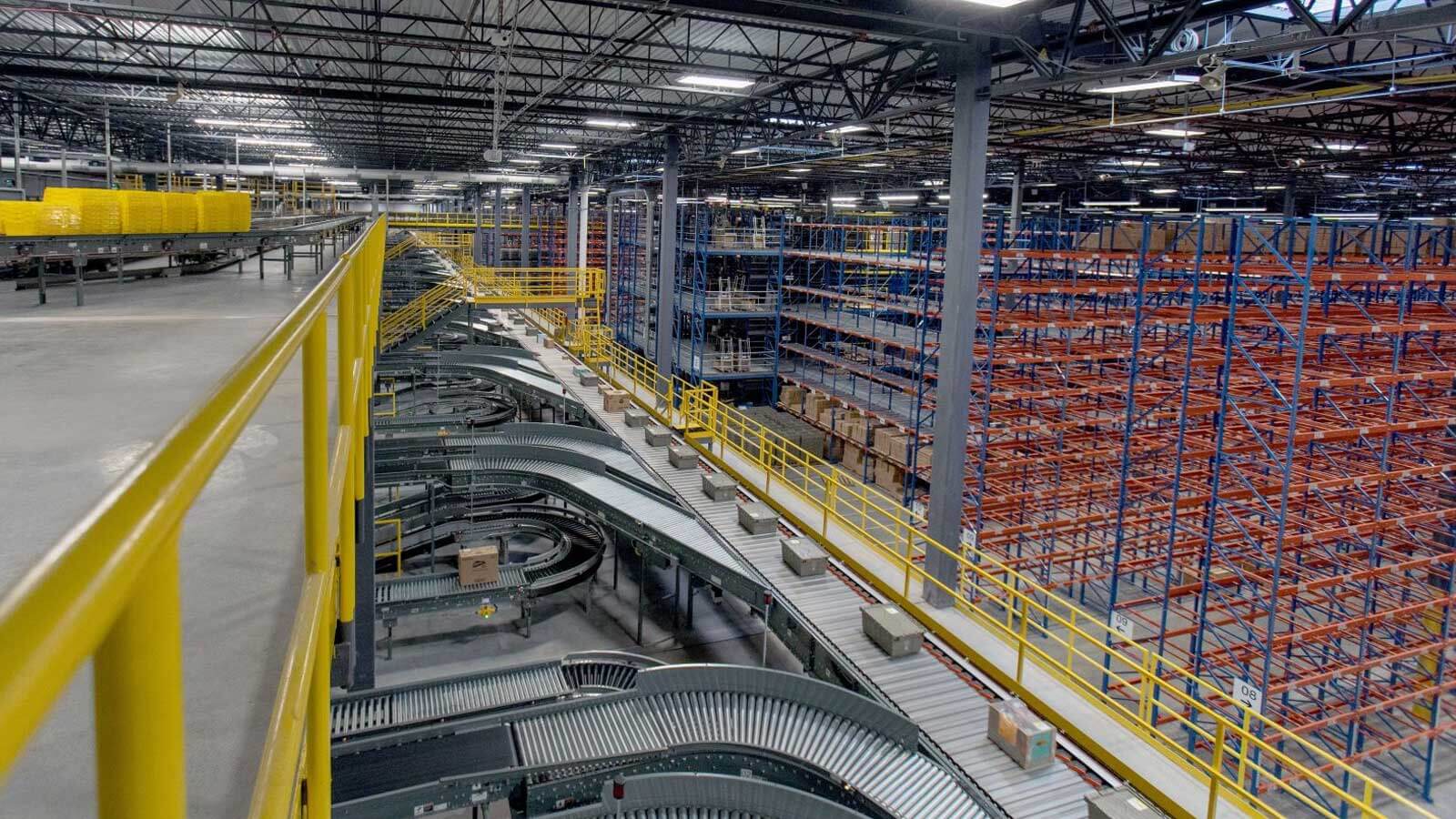

In the bustling heart of your supply chain, the challenge of sorting a diverse array of items — swiftly and precisely — can make or break the promise of delivery.
Whether you manage a sprawling distribution center, a dynamic e-commerce hub, or a critical manufacturing facility, the efficiency of sorting goods is paramount. KPI Solutions’ sortation systems are engineered to redefine your operations, offering unparalleled accuracy and speed in handling goods of all sizes.
Our solutions are a testament to a more streamlined, cost-effective, and dependable way of meeting and exceeding the intricate demands of inventory management and order fulfillment.
Cross Belt Sorter |
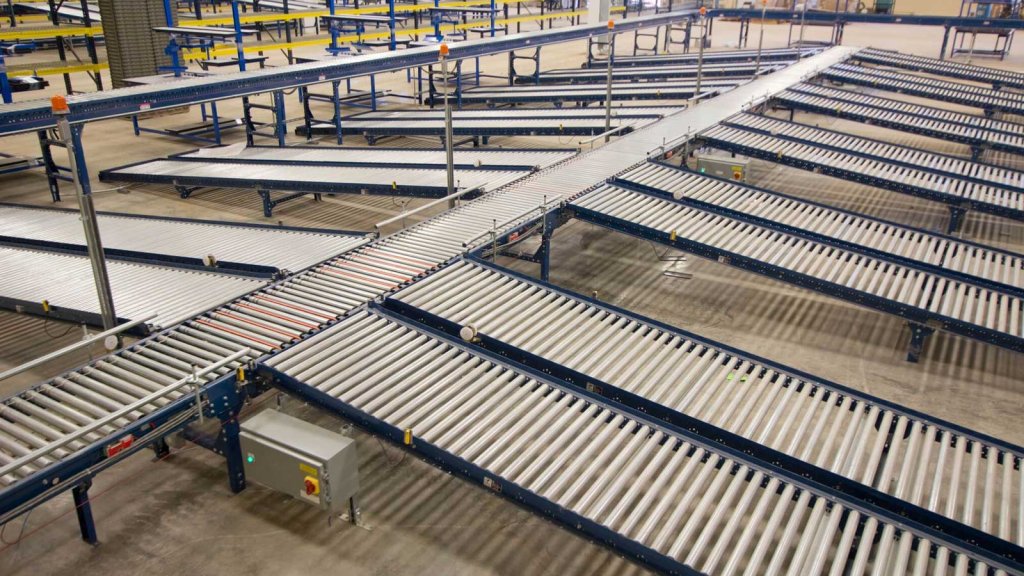
Diverters |
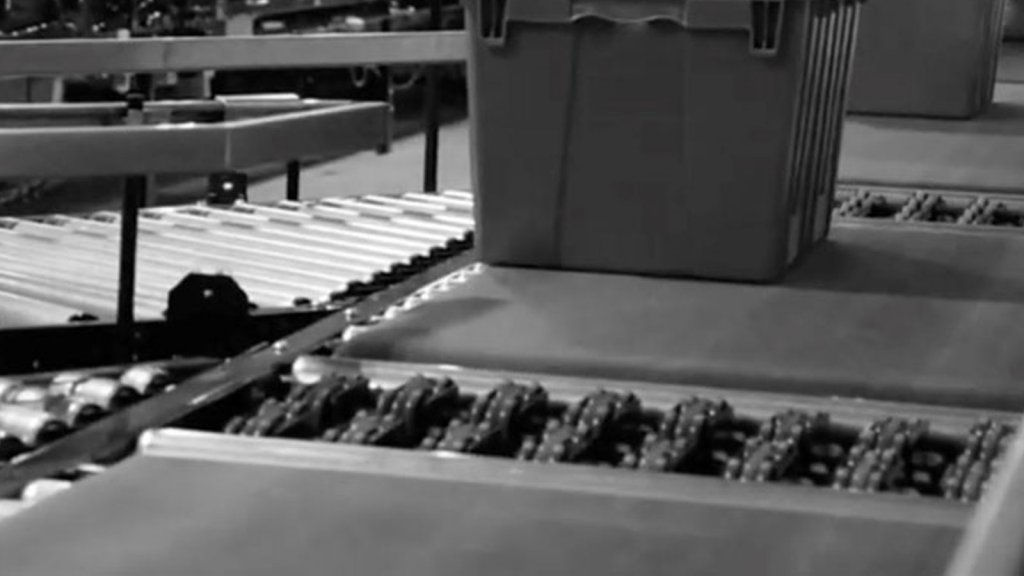
Pop-Up Wheel Sorter |
 |
 |
 |
| Crossbelt sorters offer high-speed, versatile sorting for irregular items, enhancing efficiency in dynamic operations. | Diverters efficiently route products in multiple directions, ideal for streamlining sorting in fast-paced distribution settings. | Ideal for varied item sizes, pop-up wheel sorters offer flexible, moderate-speed sorting with exceptional adaptability. |
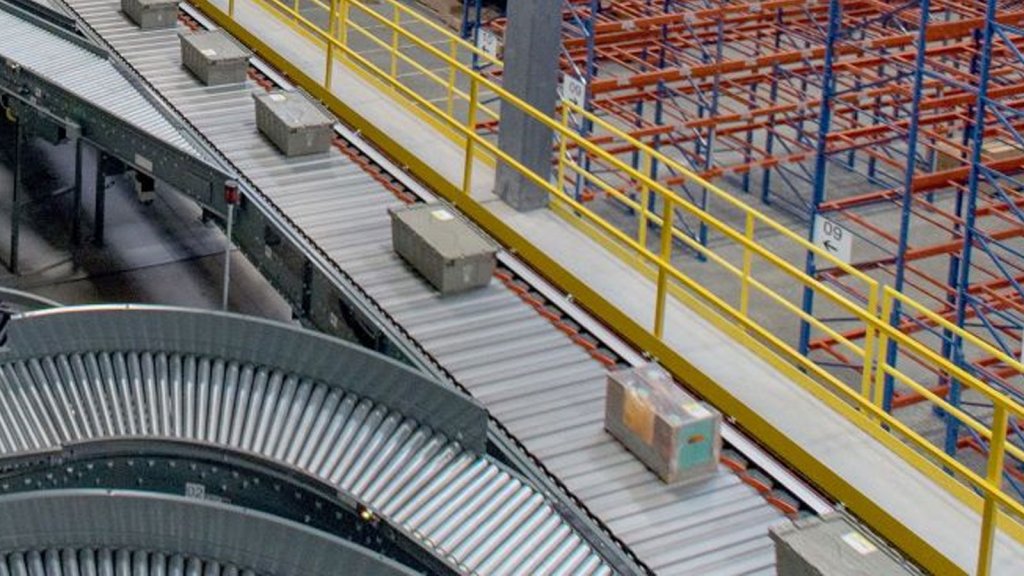
Shoe Sorter |
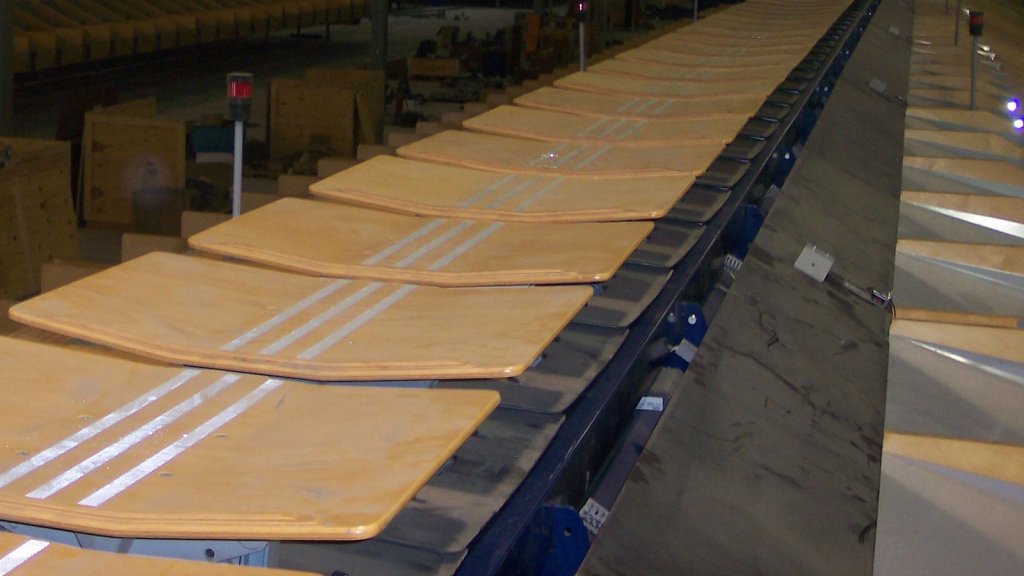
Tilt-tray Sorter |
Tompkins tSort |
 |
 |
 |
| Effectively utilizes overhead space for material handling, maximizing floor space efficiency in busy, limited-area facilities. | Tilt tray sorters provide precise, high-capacity sorting, perfect for diverse item types in fast-paced settings. | Innovative, advanced robotics solution for high-volume unit sortation. tSort provides all the efficiency without the fixed infrastructure. |
Sortation systems bring transformative improvements to warehouse functions, ensuring precision in Picking and efficiency in Packing. Their advanced technology adapts to the dynamic needs of modern warehouses, facilitating rapid, accurate handling of goods that bolsters both productivity and reliability in the material handling process.
Shipping: Streamline outbound logistics with sortation systems, ensuring accurate and rapid order dispatch to various destinations.
Receiving: Efficiently categorize and route incoming goods, enhancing the speed and accuracy of inventory management in receiving.
Picking: Optimize order picking processes with sortation systems, reducing errors and increasing efficiency in warehouse operations.
Packing: Enhance packing efficiency by accurately sorting items into designated packing areas, speeding up the packaging process.

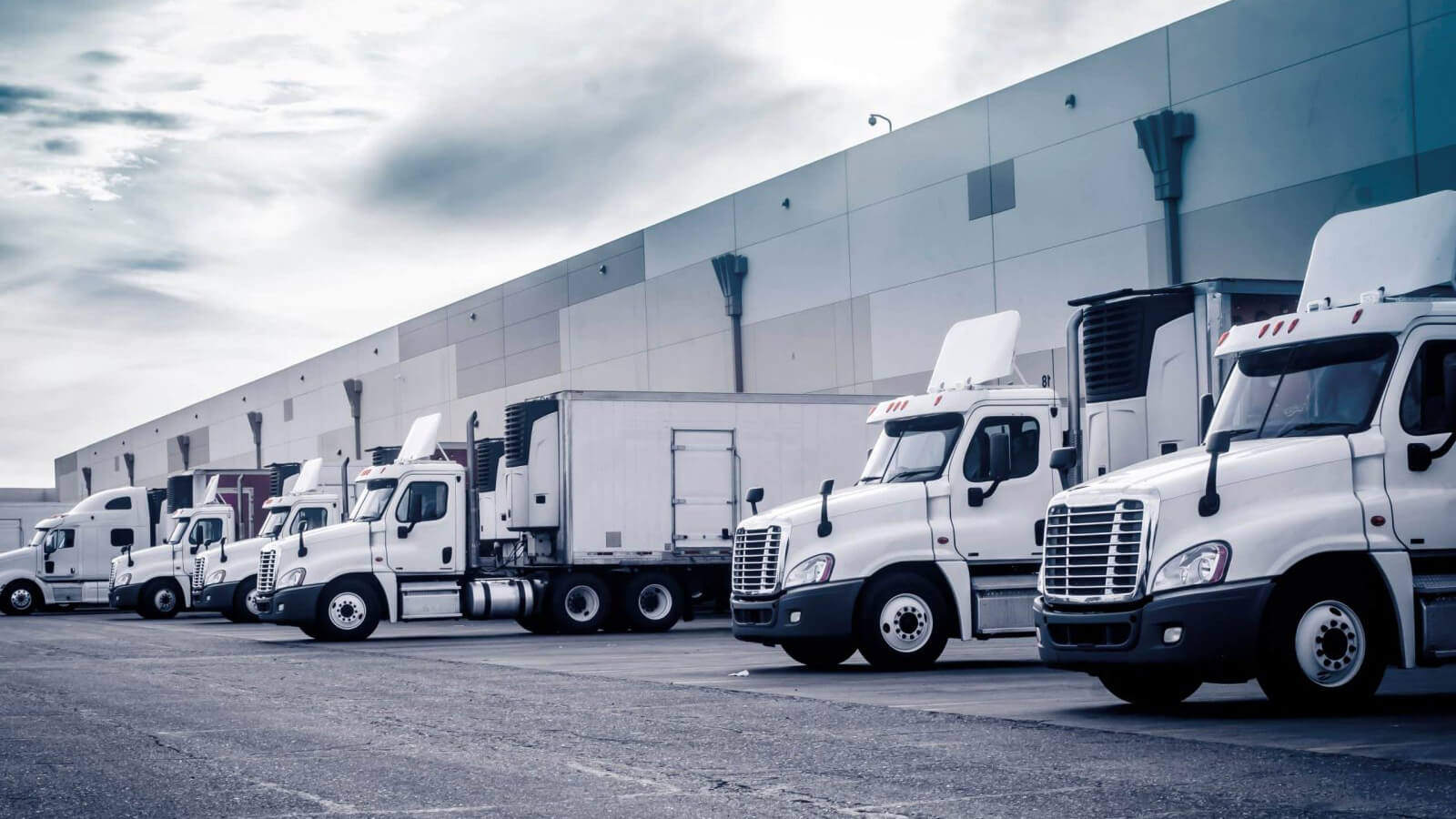

In retail and e-commerce, sortation systems ensure accuracy and speed in order processing and fulfillment. Tailored to handle diverse product ranges and peak demands, they are essential for staying competitive in online retail.
For 3PL providers, our sortation systems offer the flexibility and efficiency needed to manage varied products. These solutions are crucial for meeting client commitments in a fast-evolving logistics landscape.
Our sortation systems address the unique challenges of the food, beverage, and grocery industry, enabling efficient handling of perishables and online orders. They play a key role in maintaining product freshness and optimizing distribution.
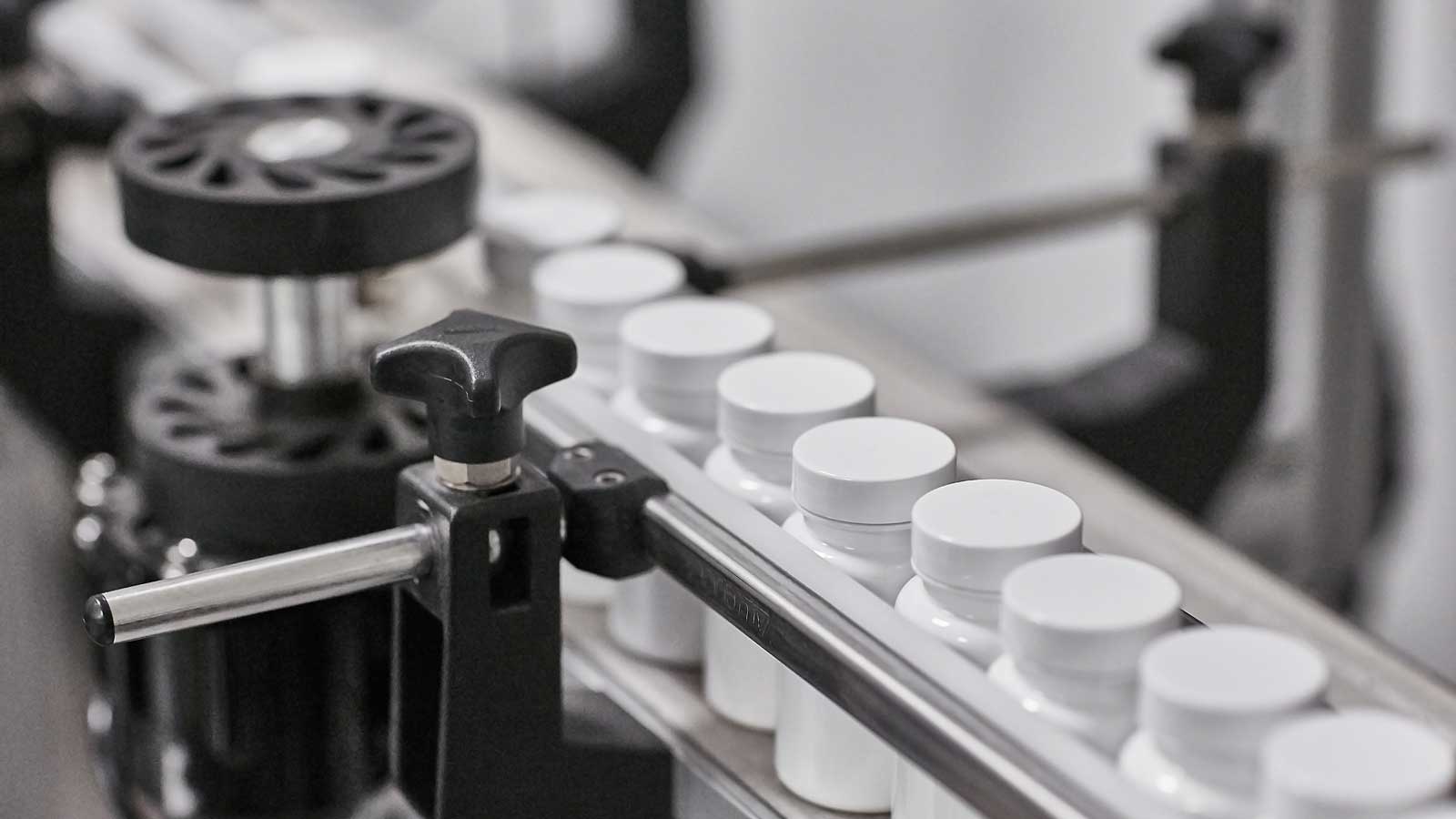
In medical and pharmaceutical logistics, precision is vital. Our sortation systems ensure compliance and product integrity, especially critical in cold storage environments.
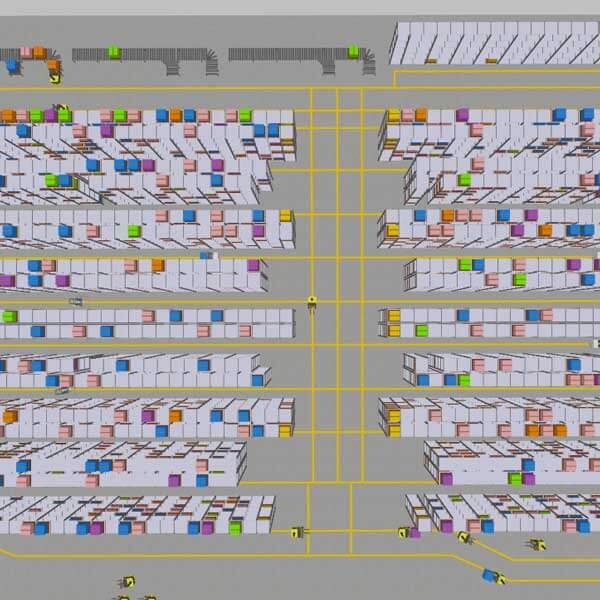
Experience the future of your distribution center with custom-engineered design and simulation. By leveraging proprietary simulation tools, we work with you to reveal optimizations and efficiencies that allow for precise planning and execution.
 Progressive Modeling: Experience a 3D model of your proposed sortation system, providing a clear visual of the design in your facility’s context.
 Operational Analysis: Analyze potential operational scenarios through simulation, ensuring the system’s design meets your specific throughput and efficiency goals.
 Optimization Strategies: Identify optimization opportunities in the sortation process, enabling adjustments before implementation for maximum efficiency.
Our relationship with clients doesn’t end with the commissioning of the system. Our post-sales support ensures that your conveyor system continues to operate at peak efficiency.



"*" indicates required fields
