

INTEGRATE AGVs TO OPTIMZE MATERIAL FLOW

Automated Guided Vehicles

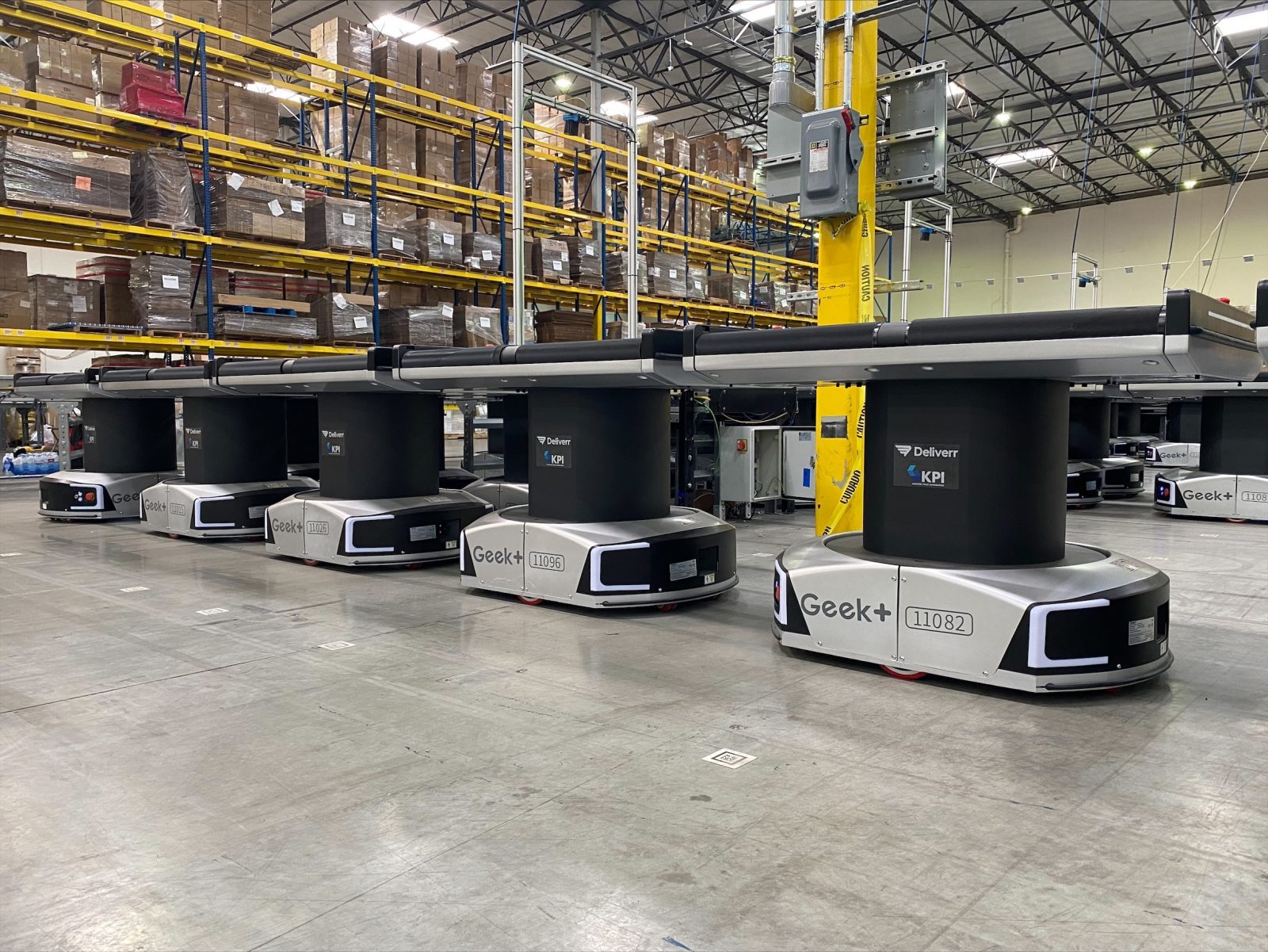
Automated Guided Vehicles (AGVs) are mobile robots that follow predetermined paths – marked by wires, magnetic tape, or lasers – allowing them to navigate a facility. AGVs generally handle payloads like pallets, rolls, carts, containers, and racks.

Typically, AGVs are integrated with a control system to manage routes and tasks, enabling them to operate independently or in fleets. They operate autonomously, using sensors and onboard intelligence to navigate and avoid obstacles.

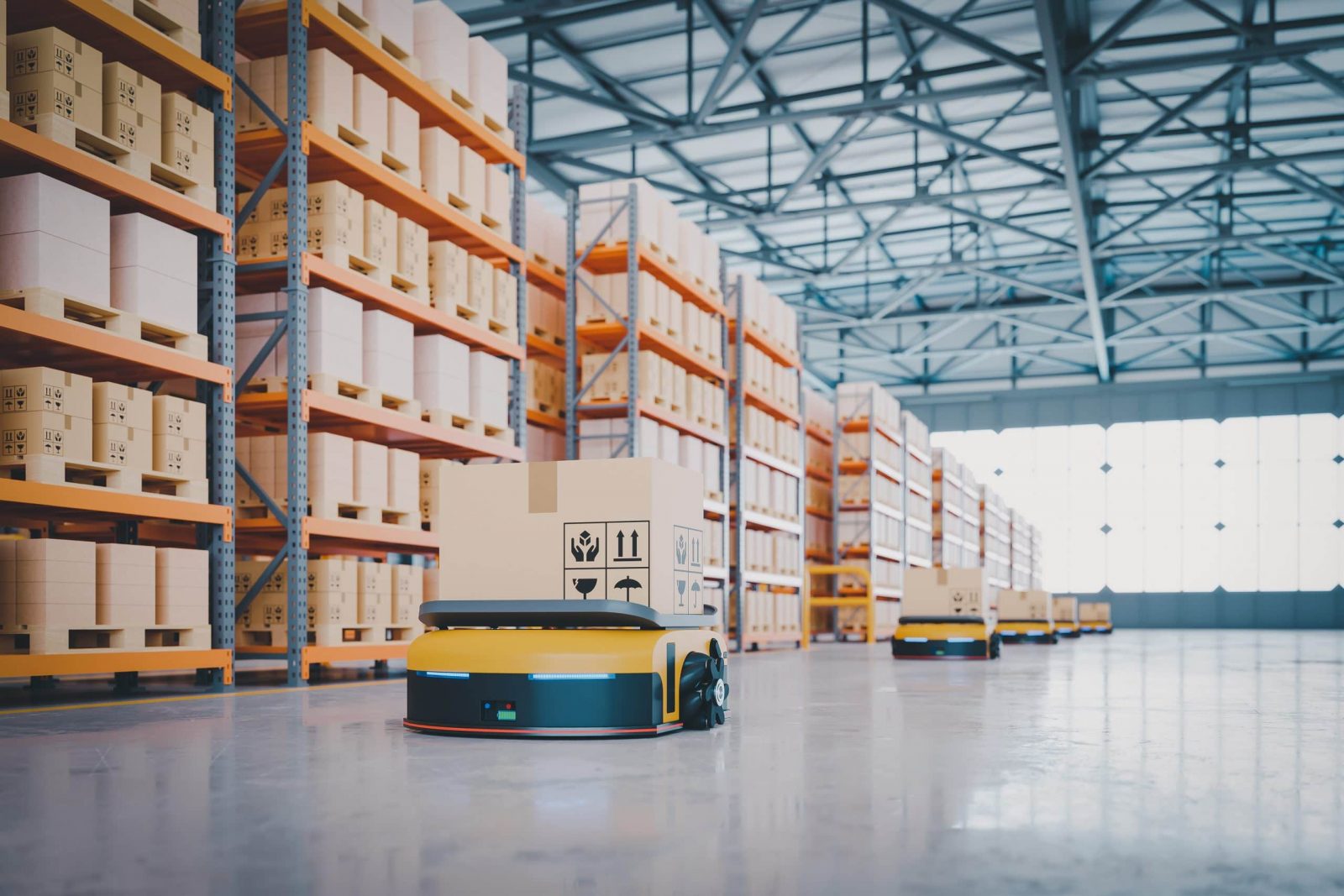
AGV transporting box

Key Benefits of AGVs for Warehouses

Distribution centers often need help maintaining consistent staffing levels due to high turnover, labor shortages, or high labor costs. AGVs can perform repetitive tasks autonomously, reducing dependence on manual labor and mitigating labor-related issues.

  • Improved Efficiency: AGVs can operate 24/7 without fatigue, breaks, or shifts, increasing productivity.
  • Reduced Labor Costs: They can automate repetitive and labor-intensive tasks, reducing the need for manual labor.
  • Enhanced Safety: AGVs reduce the risk of accidents and injuries associated with manual material handling.
  • Increased Accuracy: AGVs can precisely follow planned routes and schedules, reducing material movement and placement errors.
  • Scalability: Additional AGVs can be added to the system to scale operations as needed.
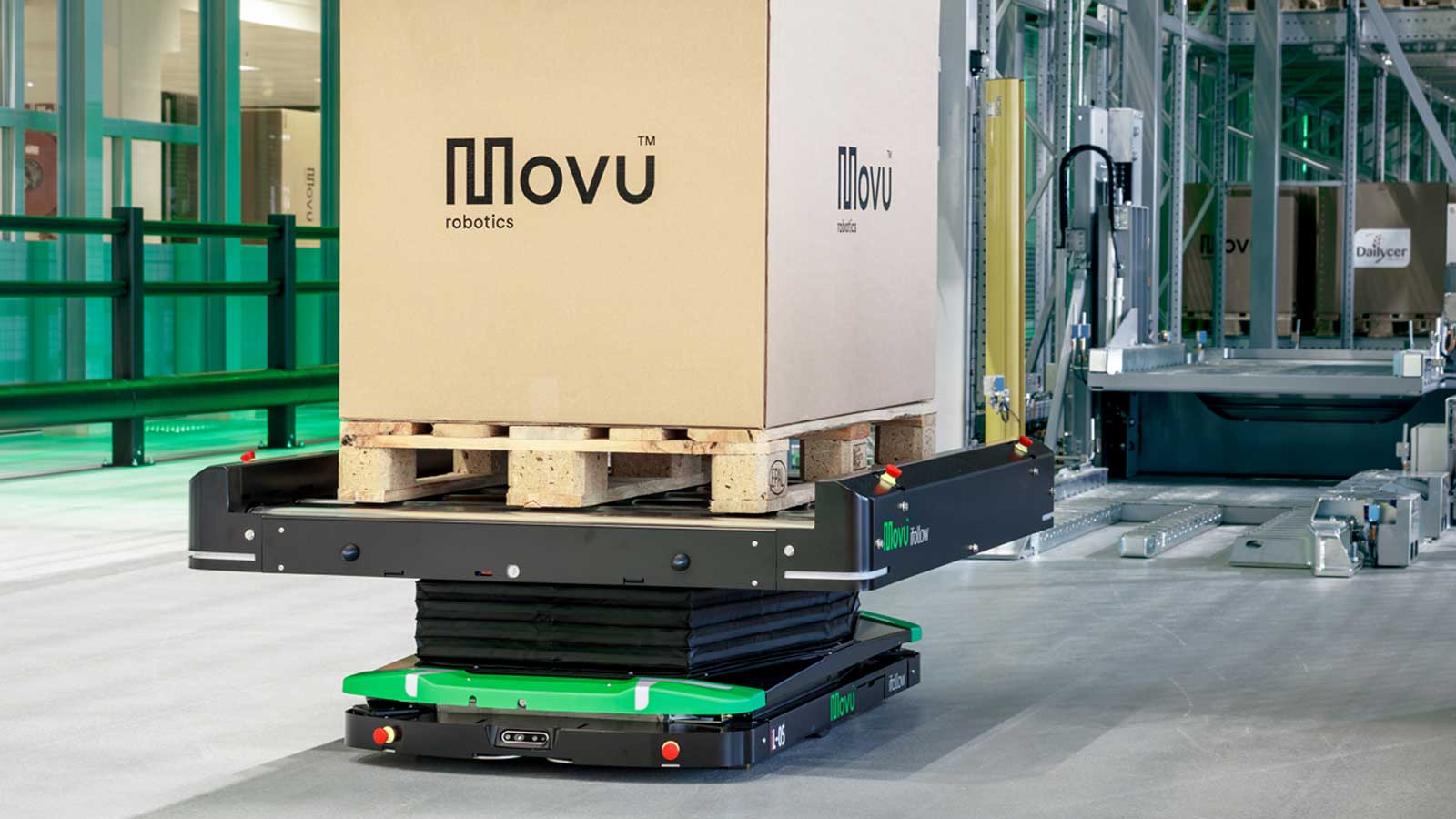
Movu ifollow AGV transporting pallet loads in warehouse

Types of AGVs

AGVs are an essential component of modern logistics and material handling solutions, and they continue to evolve with advancements in technology, such as integration with IoT, advanced sensors, and machine learning, to become more efficient, versatile, and adaptable.

  • Towing AGVs: They are designed to pull one or several trailers to transport materials.
  • Unit Load AGVs: They transport materials on the vehicle, usually between designated pickup and drop-off points.
  • Forklift AGVs: They can lift and transport materials to and from shelves, similar to manual forklifts.
  • Pallet Truck AGVs: They lift and transport pallets at ground level, typically moving them in and out of storage areas.
  • Light Load AGVs: They are smaller and designed to carry lighter loads, often used for transporting small parts, tools, or other materials within a facility.
Supply Chain Solutions

What to Look for in an AGV Integrator

Successfully integrating an AGV system requires a combination of several technical, managerial, and analytical abilities.

Each of these abilities is interrelated and contributes to the successful integration and optimal functioning of AGV systems within an organizational setting. A multi-disciplinary team is often required to combine these abilities effectively, encompassing roles like project managers, engineers, IT specialists, and operational staff.

As KPI Solutions does, integrators must have specific abilities and skills that are crucial for the proper integration of an AGV system:

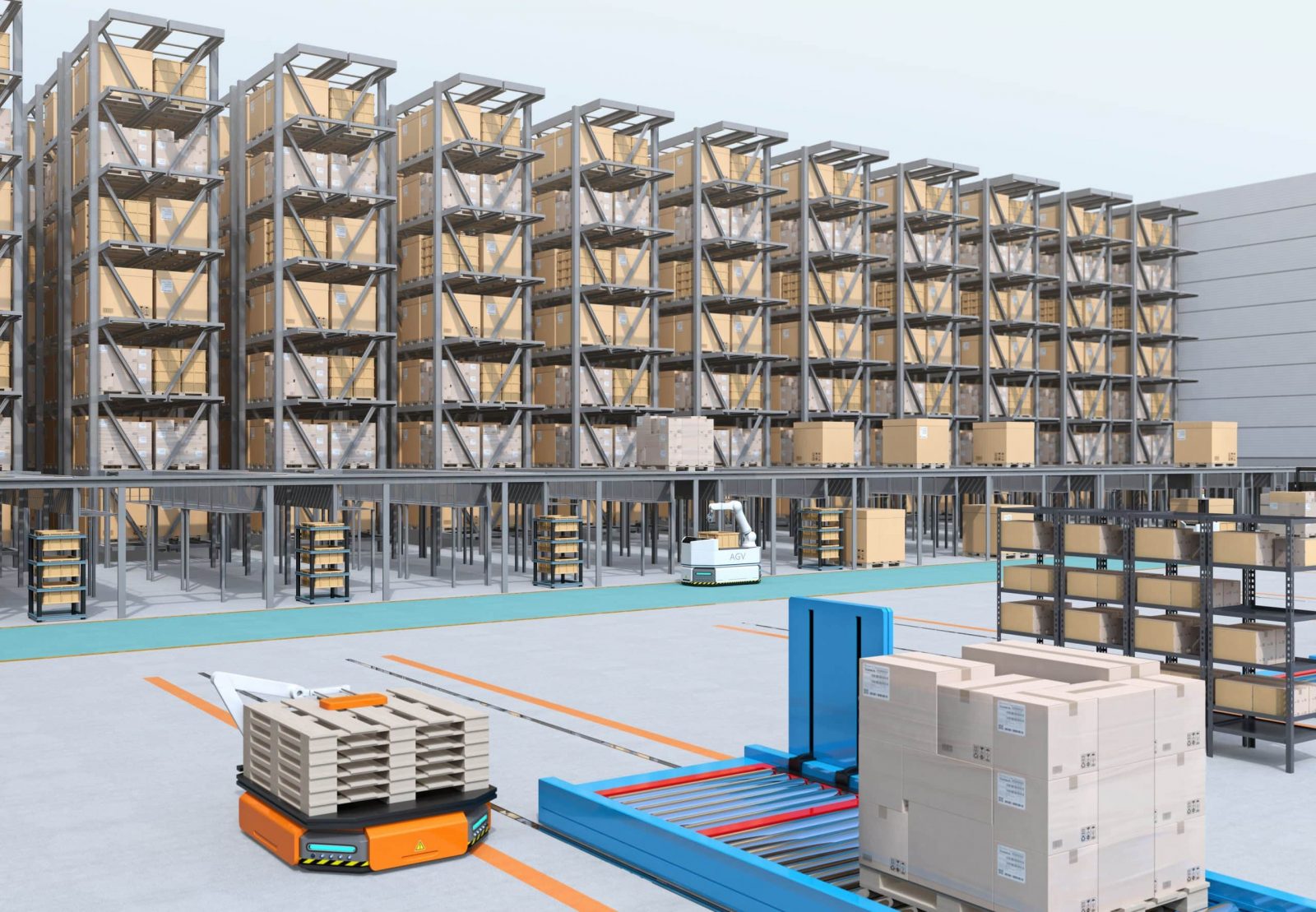
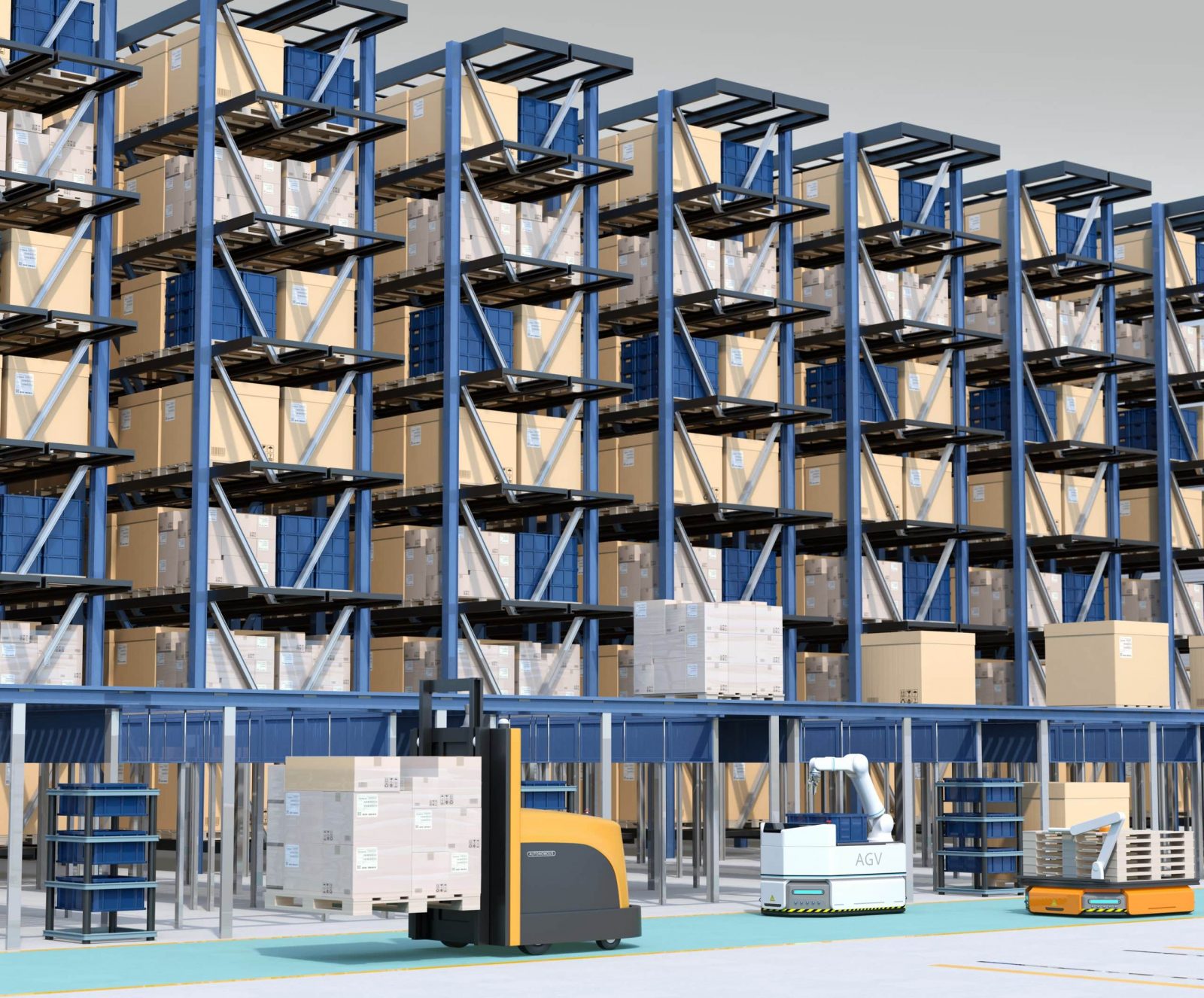
AGVs in Warehouse Rendering

Technical Abilities

  • System Design and Engineering: Ability to design AGV routes, understand mechanical and electrical components, and integrate them within the existing infrastructure.
  • Software Proficiency: Proficiency in using and customizing software solutions required for AGV systems, including programming and configuring AGV software and Warehouse Management Systems (WMS).
  • Networking and Communication: Understand networking protocols and communication technologies to ensure seamless integration of AGVs with other systems.
  • Automation and Control Systems: Ability to design, implement, and troubleshoot automation and control systems for AGV operations.
  • Sensor Technology: Knowledge of sensor technologies and integration for navigation, obstacle detection, and collision avoidance.
Front view of modern Automated Logistics Center's interior. AGV

Analytical Abilities

  • Data Analysis: Ability to collect and analyze data to optimize AGV routes, identify bottlenecks, and improve overall system performance.
  • Problem-Solving: Identifying, analyzing, and resolving issues that may arise during the integration and operation of the AGV system.
  • Risk Assessment: Evaluating potential risks and challenges in implementing AGV systems and developing mitigation strategies.
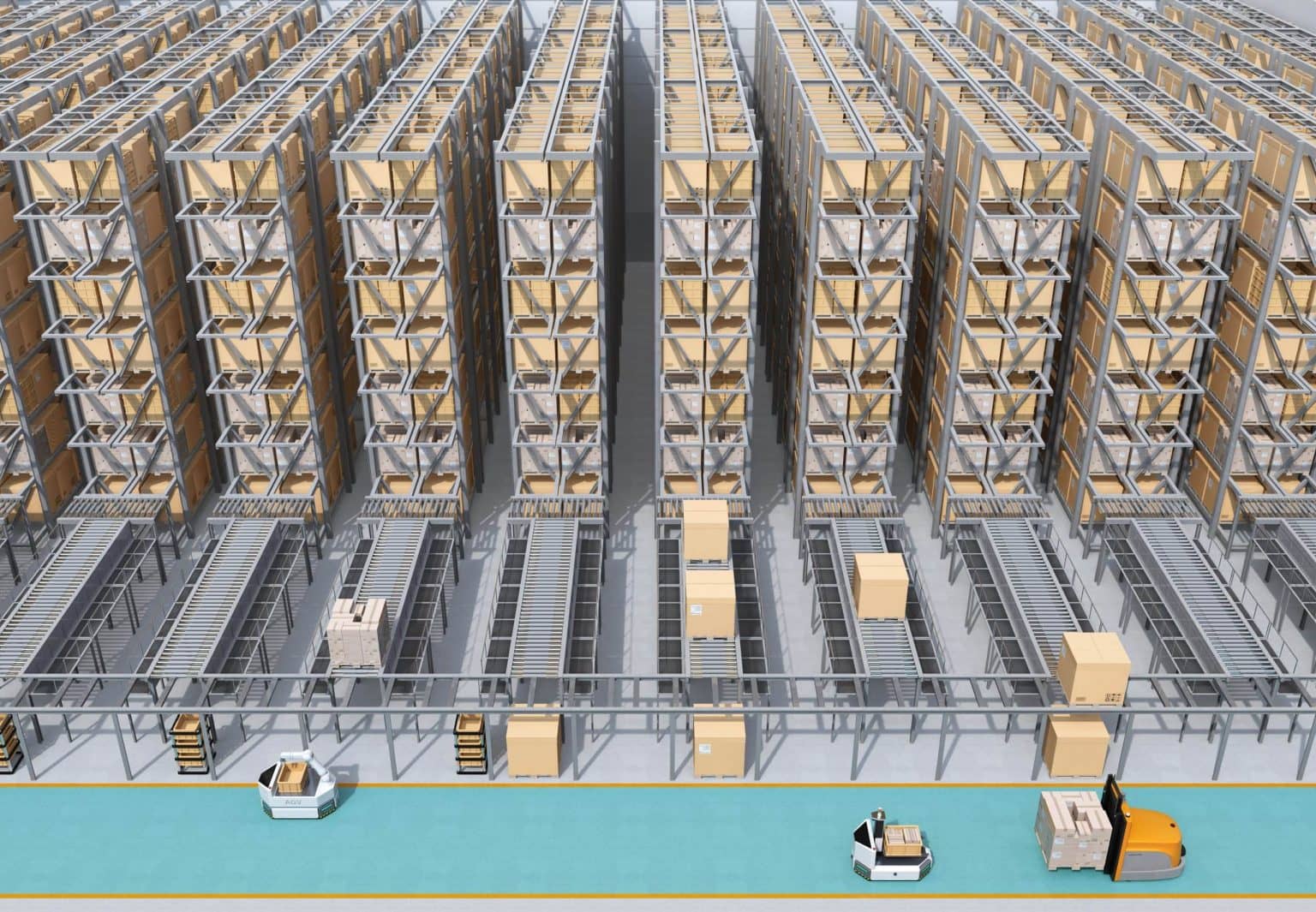
AGVs in Warehouse Rendering

Managerial Abilities

  • Project Management: Skills in planning, organizing, and managing resources to ensure successful completion of the AGV integration project on time and within budget.
  • Change Management: Managing the organizational changes necessary for successful AGV integration, including training staff and managing resistance to new technologies.
  • Vendor Management: Ability to select and manage relationships with AGV suppliers, integrators, and other vendors.
  • Operational Planning: Planning and optimizing operational processes and workflows to accommodate AGV systems.
  • Budgeting and Financial Analysis: Develop budgets for AGV integration and analyze the financial impact and return on investment.
  • Regulatory Compliance: Ensuring the AGV system complies with all relevant safety, environmental, and regulatory requirements.
  • People and Communication Abilities:
  • Training and Development: Ability to train staff on new systems and procedures related to AGV integration.
  • Communication: Conveying information and ideas to individuals and teams to ensure understanding and alignment on AGV integration goals and processes.
  • Collaboration: Working effectively with various stakeholders, including operators, managers, and vendors, to achieve common goals.
AGV

System Integration Abilities

  • Integration Testing: Verifying that all integrated components of the AGV system function together as intended.
  • Customization and Adaptation: Adapt and customize AGV systems to meet specific organizational needs and constraints.
  • Maintenance Planning: Develop maintenance schedules and plans to ensure long-term reliability and performance of the AGV system.
In Retail Warehouse Manager Uses Computer with Inventory Checkin

Contact Us Today

When choosing an AGV integrator, it is essential to consider factors such as the specific needs of your facility, the industry you operate in, the level of customization required, and the post-implementation support offered by the company.

Our teams of experts can help consult, integrate, and support AGV implantation in warehouses of all sizes, functions, and industries. Contact us today to learn more.